
Directed by Yuichi Abe. Written by Akira Tanizaki. Airdate Dec. 11, 2013.
The theme that Ultraman Ginga has prominently played up over its run is the pursuit of personal dreams and how important it is to have a dream and try to live it. That’s a good crowd-tested message for an adventure program, plus it’s effective with younger viewers.
Except, this isn’t what Ultraman Ginga is about. Or at least it’s only tangentially what it’s about. As this penultimate episode makes it clear, the show has actually been about how a person’s mental baggage can lead to a “dark heart,” letting them be corrupted into a monster — which, in the Ultra universe, is realized as a literal monster. That theme is a bit heavy for a show with a younger target audience, so perhaps the “follow your dreams” business was layered over it to create a simpler message.
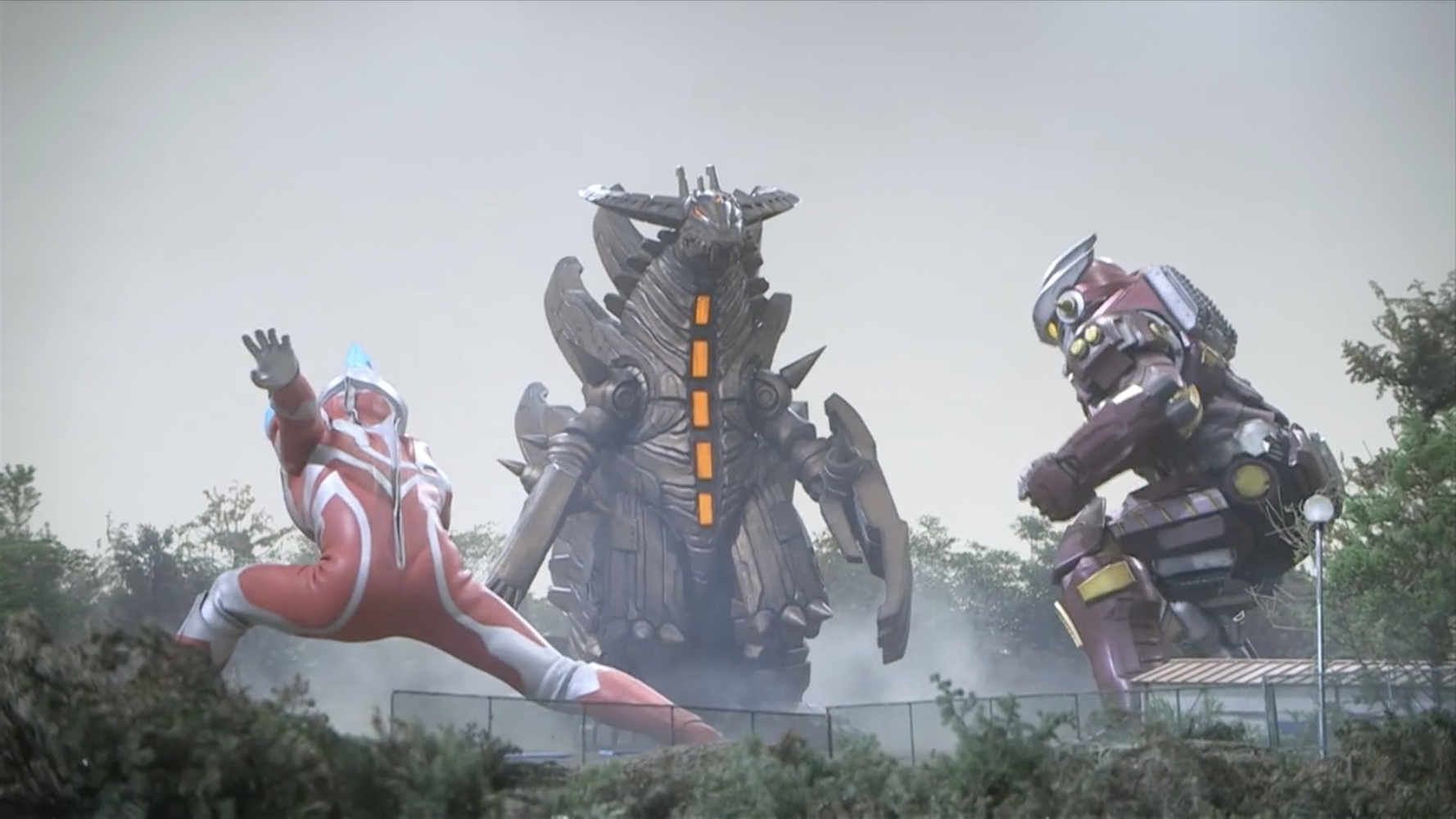
This episode does the most to show the potency of the Dark Spark in reaching the worst parts of people. Misuzu is now under the control of Alien Nackle’s Dark Spark. She’s placed within the metal body of the kaiju Super Grand King. It appears that Misuzu’s anger at her father finally weakened her enough to fall prey to the darkness. However, it’s not just her feelings about her dad that keep her floating in the Purple Zone of Anger and Hopelessness within Super Grand King. It’s her relationship with Hikaru as well.
While Ginga and Jean-Nine struggle to fight Super Grand King without harming Misuzu, Ginga sends Hikaru’s consciousness into Misuzu so he can try to pull her out from the darkness. This leads to a series of purple-tinged scenes visualizing Misuzu’s negative emotions, much of it centered on her father. Although it was shot inexpensively and reuses footage, this sequence has the escalating drama necessary for the finale. Even that silly moment with the baby carriage that underwhelmingly kicked off the show gets to have some relevance here.
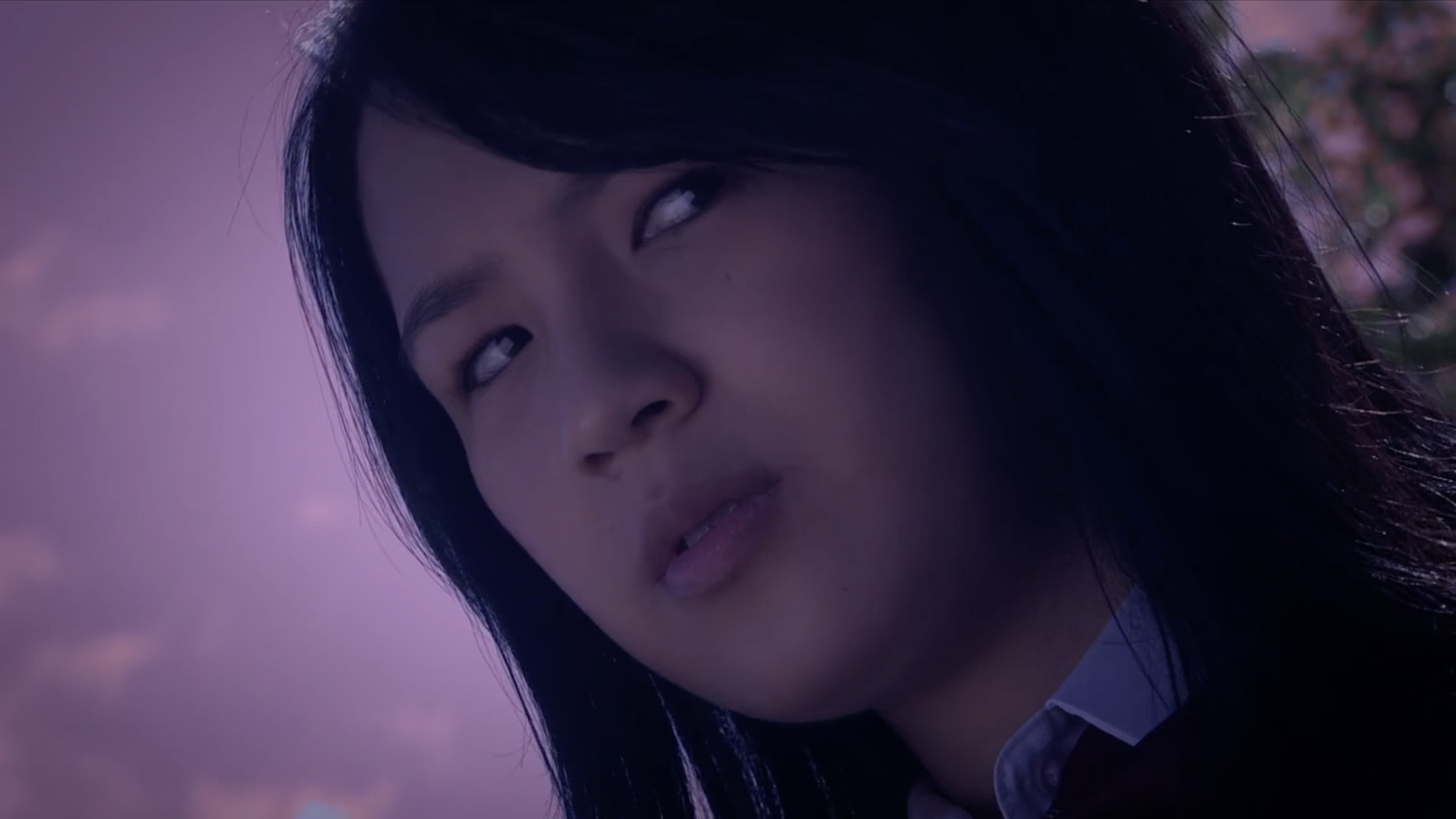
On the other hand, it’s frustrating that we haven’t seen more tension between Misuzu and Hikaru before this. Misuzu’s antagonism toward her father has gotten the appropriate level of development; the moment when her father realizes he’s part of the problem hits just right. But what happens with her and Hikaru in the Dark Spark Zone feels like backfilling their relationship. The “drama” comes across as a bit petty and undercooked, and not the sort of emotions that would turn Misuzu into the ultimate target for the Ruler of the Dark. Despite this — largely the fault of earlier episodes — the sequence still manages to work and lands its resolution.
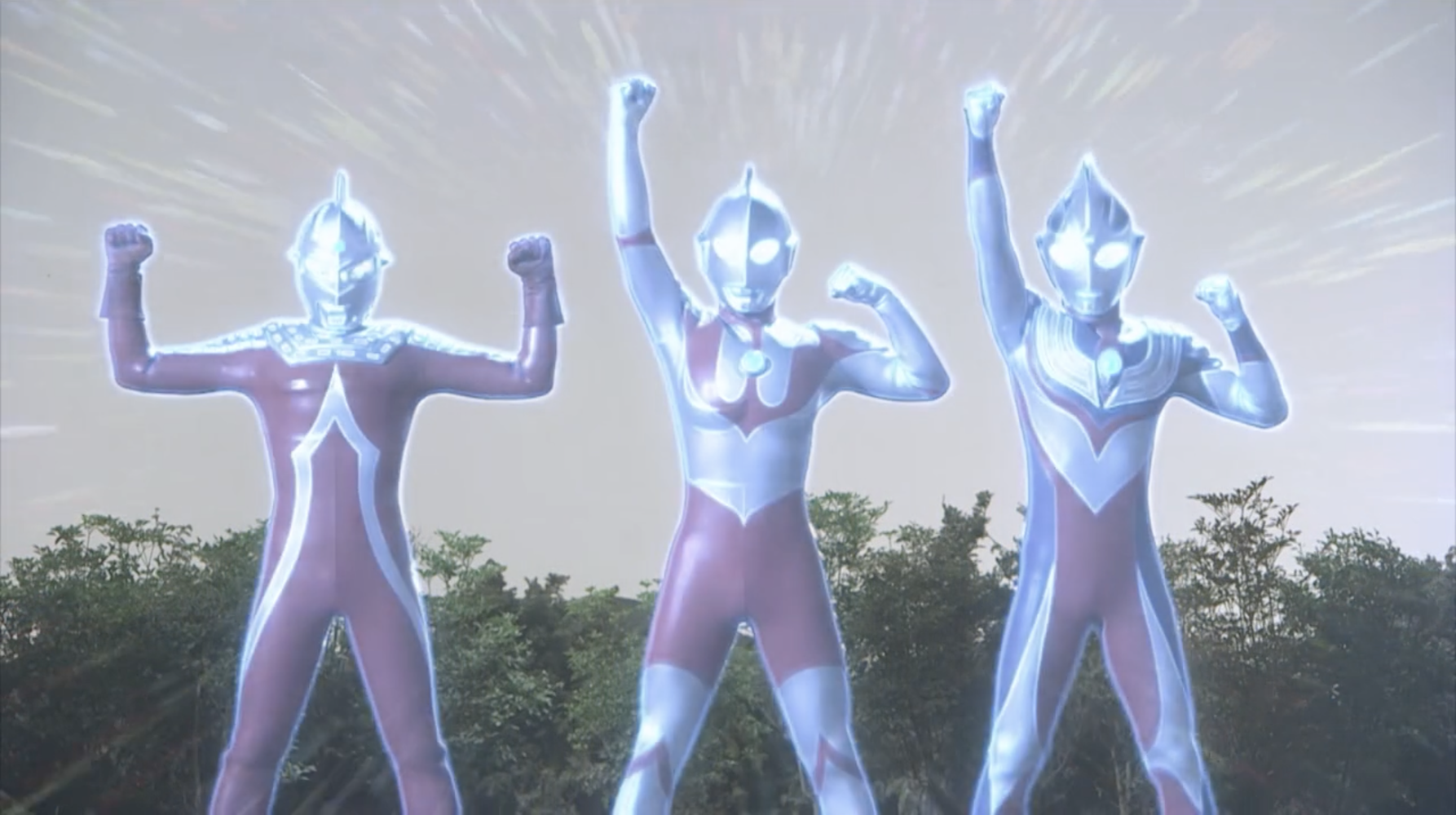
And Misuzu got transmogrified into a cool monster! And it’s not a reused suit! The kaiju Grand King first appeared in Ultraman Story in 1984, but Super Grand King is a new design and suit build — and it’s a winner. Not only does this mechanical monstrosity look fantastic and fierce, it also fights impressively with huge metal hands when it battles Ging, Jean-Nine, and the episode’s special Ultra warrior guest stars. It’s the best kaiju fight yet to happen in this boring field with its blank cream-colored sky. The cutting between the smackdown with Super Grand King and the internal battle for Misuzu’s mind keeps events rolling.
There’s a third story strand amongst all this: Hotsuma finally reveals where the Ruler of the Dark has been hiding this whole time — and who it’s been hiding as. It’s a mild surprise. At least, I think it is. I can’t remember whether I guessed the truth the first time I watched the show. But since I can’t remember my reaction to the big reveal, it couldn’t have had a major impact on me. Looking at it now, I think it’s a serviceable twist, but Hotsuma explaining everything and trying out an extended exorcism creates the episode’s most draggy section.
Overall, this is the best outing of Ultraman Ginga yet. The monster action is fun, and the character conflicts are starting to pay off. We’ll see if the climactic episode provides a worthwhile ending to a show that’s had several rocky stretches.
Rating: Good
Previous: The Jet Black Ultra Brothers
Next: The Future of Yours
 The Ultra Project