
Directed by Ernest B. Schoedsack. Written by Ruth Rose. Starring Robert Armstrong, Helen Mack, Frank Reicher, John Marston.
The Son of Kong is a semi-forgotten film. Nobody writes much about it. People don’t watch King Kong and then immediately think, “Hey, now let’s watch Son of Kong.” Yet it’s a direct sequel, made by most of the same crew, with several returning cast members. It followed fast on the heels of the original, reaching theaters a mere six months later. Why isn’t it better known to the public?
My answer is that, although The Son of Kong is an enjoyable movie, it’s minor compared to its towering father. King Kong was the dream project of producer Merian C. Cooper that he developed over many years. The Son of Kong, on the other hand, was hastily assembled on a third of the budget to get into theaters fast and grab some cash while Kong was a hot property. It’s the same thinking that created the second Godzilla film, Godzilla Raids Again, which was also rushed out in six months and is one of the least-discussed Showa-era Godzilla movies.
The big trouble with The Son of Kong is on the surface: it’s a smaller, less ambitious film. No scenes of city destruction. A thinner cast of characters. Special effects scenes that show skill but less scope. No jaw-dropping set piece like Kong vs. Tyrannosaurus or the Empire State Building. Skull Island feels diminished, reduced to a place where a few people wander around a handful of cramped jungle sets. The running time doesn’t even crack 70 minutes, yet we don’t see any stop-motion creations until 43 minutes. The general tone is comedic rather than epic, something screenwriter Ruth Rose says was intentional because there was simply no way to compete with the original.
On the positive side, what works best about Son of Kong — aside from more stop-motion Willis O’Brien effects — is that it’s a legitimate sequel that follows up on the consequences of its predecessor. As filmmaker and showman Carl Denham stood over Kong’s body in the closing moments of King Kong, a big question hovered in the air: Wow, how much trouble is this guy in? He imported a titanic ape into the biggest city in the world, and then the beast broke free, causing staggering amounts of property damage and killing numerous people before the military shot the big beast down. Denham is not going to walk away from this unscathed.
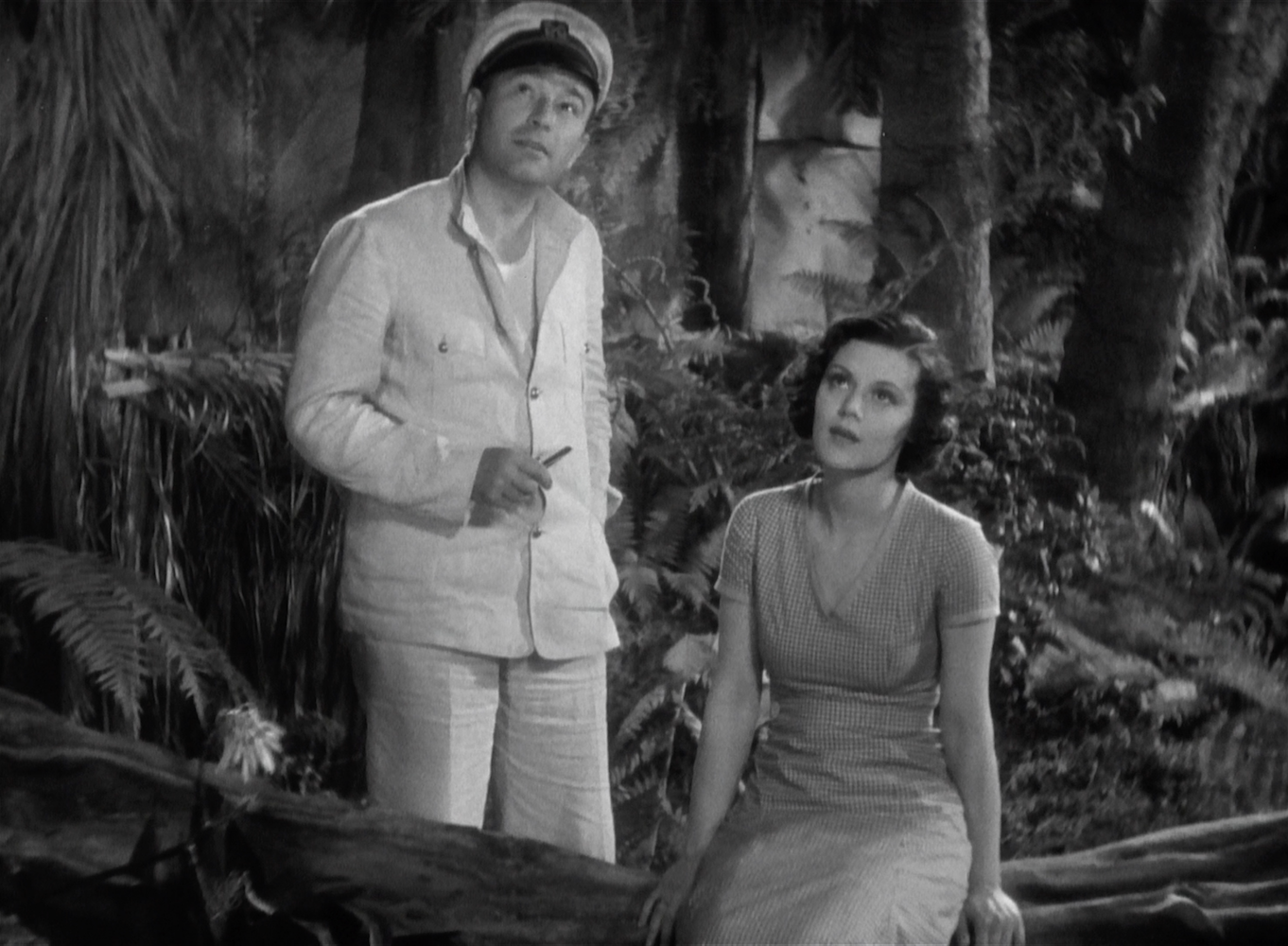
The Son of Kong, at its heart, is the tale of Carl Denham (Robert Armstrong) facing the bitter rewards of his recklessness, and then finding a way to come to terms with what he did to Kong. It’s Denham’s redemption story, and when taken as such, it’s a solid one. Denham, trying to escape a landslide of lawsuits and the threat of a grand jury indictment for wrecking New York, returns to Skull Island where he comes to the aid of Kong’s albino progeny, 12-foot Little Kong, and Little Kong returns the favor. It’s a pleasant fable and an interesting exploration of Denham, the most fascinating human character from the original Kong.
We start with Denham broke and hiding from everyone in NYC who wants to sue him. Captain Englehorn (Frank Reicher), the skipper of the Venture, the ship that brought Kong back from Skull Island, is also facing legal trouble. He offers Denham an opportunity to escape with him: sail into the Pacific and never go back.
Denham eventually feels the lure of Skull Island again when he encounters drunken lowlife Nils Helstrom (John Marston) in the port of Dakang. Helstrom originally sold Denham the map of Skull Island — a nice bit of expansion on lore from the first film — and now he urges Denham to go back to get the “treasure” of the island. There’s no treasure (at least not that Helstrom knows about), but the sleaze has just murdered a man in a drunken brawl and wants to get on any ship to escape the Dutch Indies. Denham believes the yarn because he needs money, so he takes Helstrom aboard the Venture and sails for Skull Island once more.
The Venture has a stowaway: Helen (Helen Mack), the young daughter of the man Helstrom murdered in Dakang. Helen was part of her father’s paltry traveling monkey show, and after meeting Denham, she wanted to run off on his adventure. She also knows Helstrom killed her father, and the two of them are now on the same ship.
Helstrom leads a mutiny against Reicher and Denham, and has them and Helen tossed into a lifeboat to be abandoned. But the rest of the crew hates Helstrom’s arrogance, so they toss him into the lifeboat as well. It’s this tiny group (plus the ship’s cook, Charlie, another returning character) who finally land on Skull Island.

This sounds like a lot of plot business to get the cast to the spot with the monsters, i.e. the main draw of the movie. It is — but it takes up 40 minutes of the film, so it isn’t too crowded. As far as human drama goes, it’s not bad. The tone is different from King Kong, because it’s about a pack of losers. People on the fringes, going nowhere, who don’t dream of adventure, only of escape and survival. The song Helen sings in her father’s show, “Runaway Blues,” is appropriate. Everyone is running from something. It’s an intriguing contrast to the ambitious heroes and the glamor of King Kong.
Robert Armstrong is again a force of nature as Carl Denham; not a naturalistic performance, but an enjoyable one. Helen Mack is also ridiculously adorable, but she’s got fire in her as well. When she first accuses Helstrom of killing her father, she has venom that’s shocking. She was likely cast to be the opposite of Fay Wray, both visually and in her personality, and Mack succeeds.
Finally, we come to the giant denizens of Skull Island, where Willis O’Brien’s team shows what they can do with less money and less time. The technical skill on display is excellent. What holds back the stop-motion action is the limited scope, the lack of time, and the decision to play most of the action lighter.
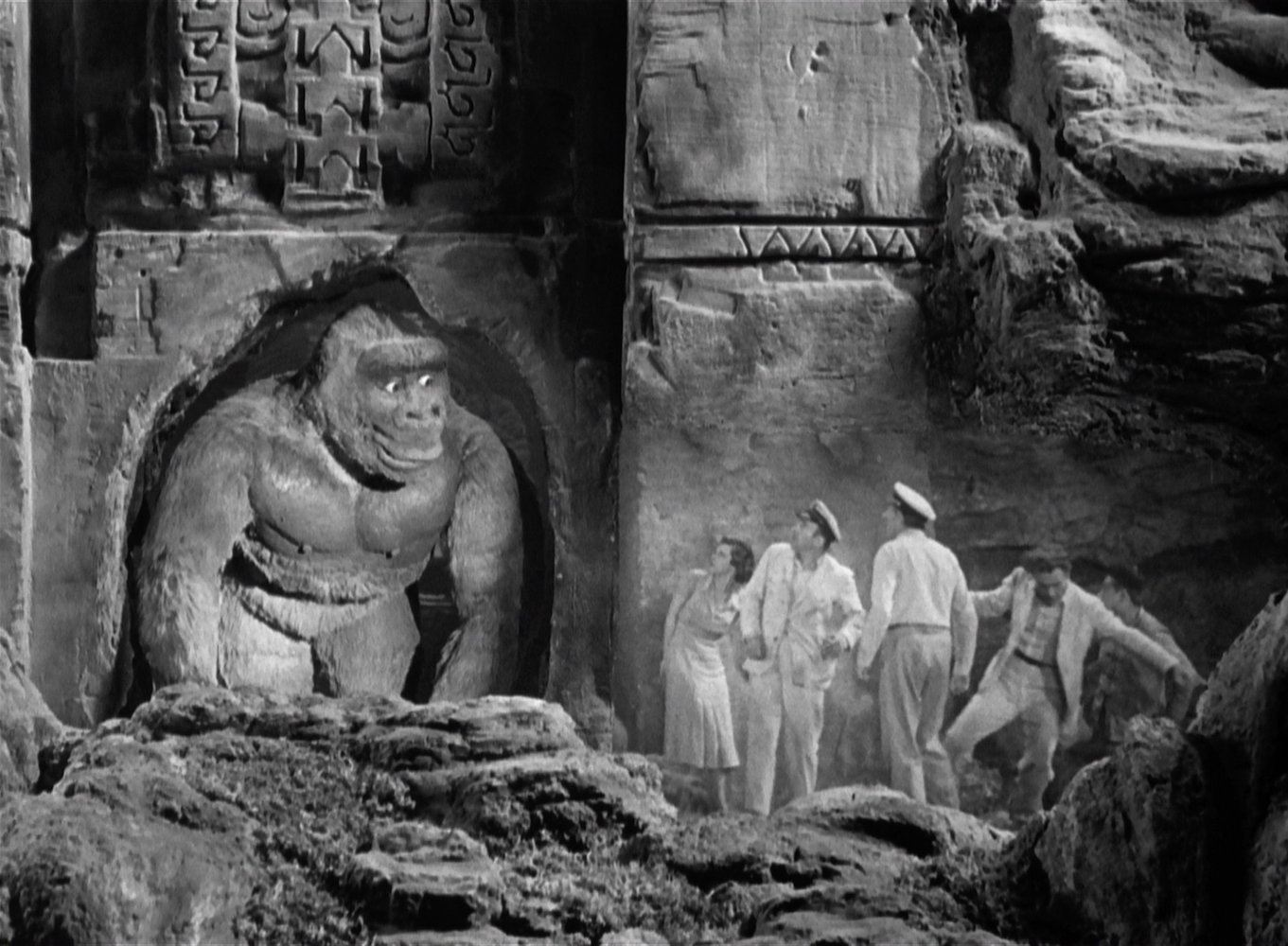
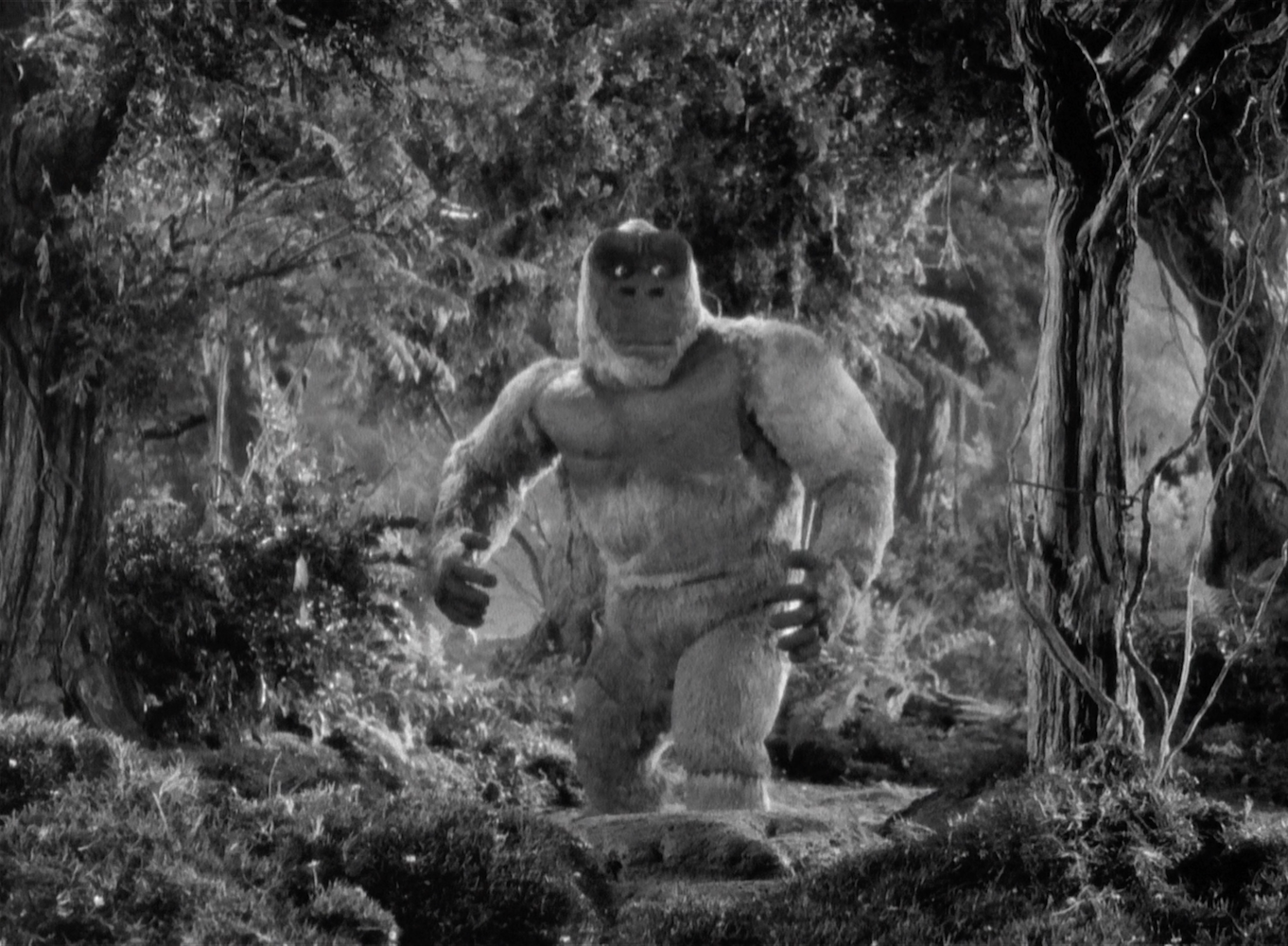
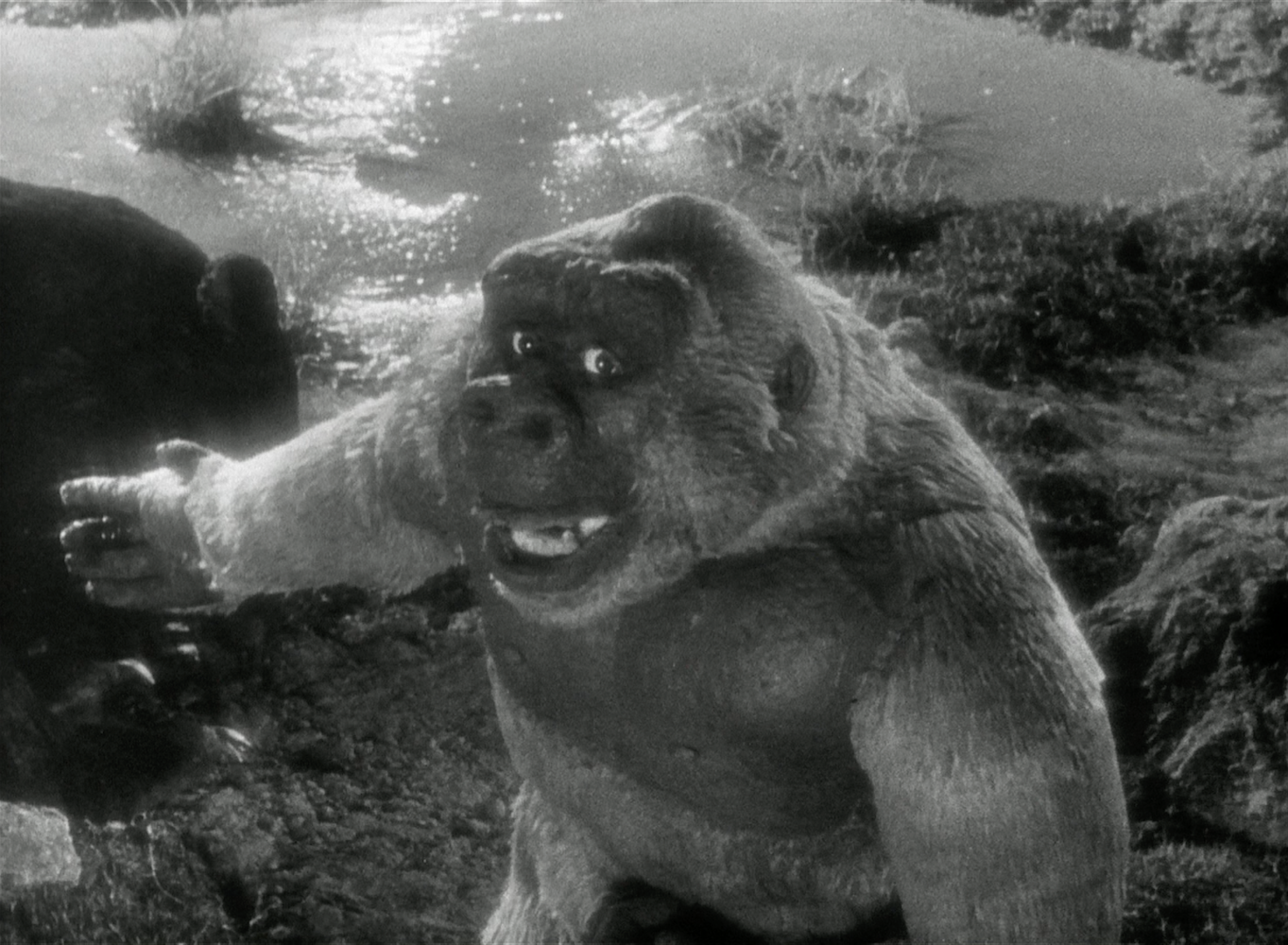
Little Kong is a charming creation, though not the powerhouse his father was. He’s clownish, doing mugging expressions and googly eyes. The sense of a potentially dangerous animal is gone, as is the emergent humanity and curiosity of Kong. Little Kong becomes Denham’s pal almost immediately, a sidekick and defender. The little ape is closer to the Abominable Snowman from the Rankin-Bass Rudolph the Red-Nosed Reindeer than the great God of Skull Island. Mighty Joe Young would give us a better version of the concept of a “little Kong” 16 years later.
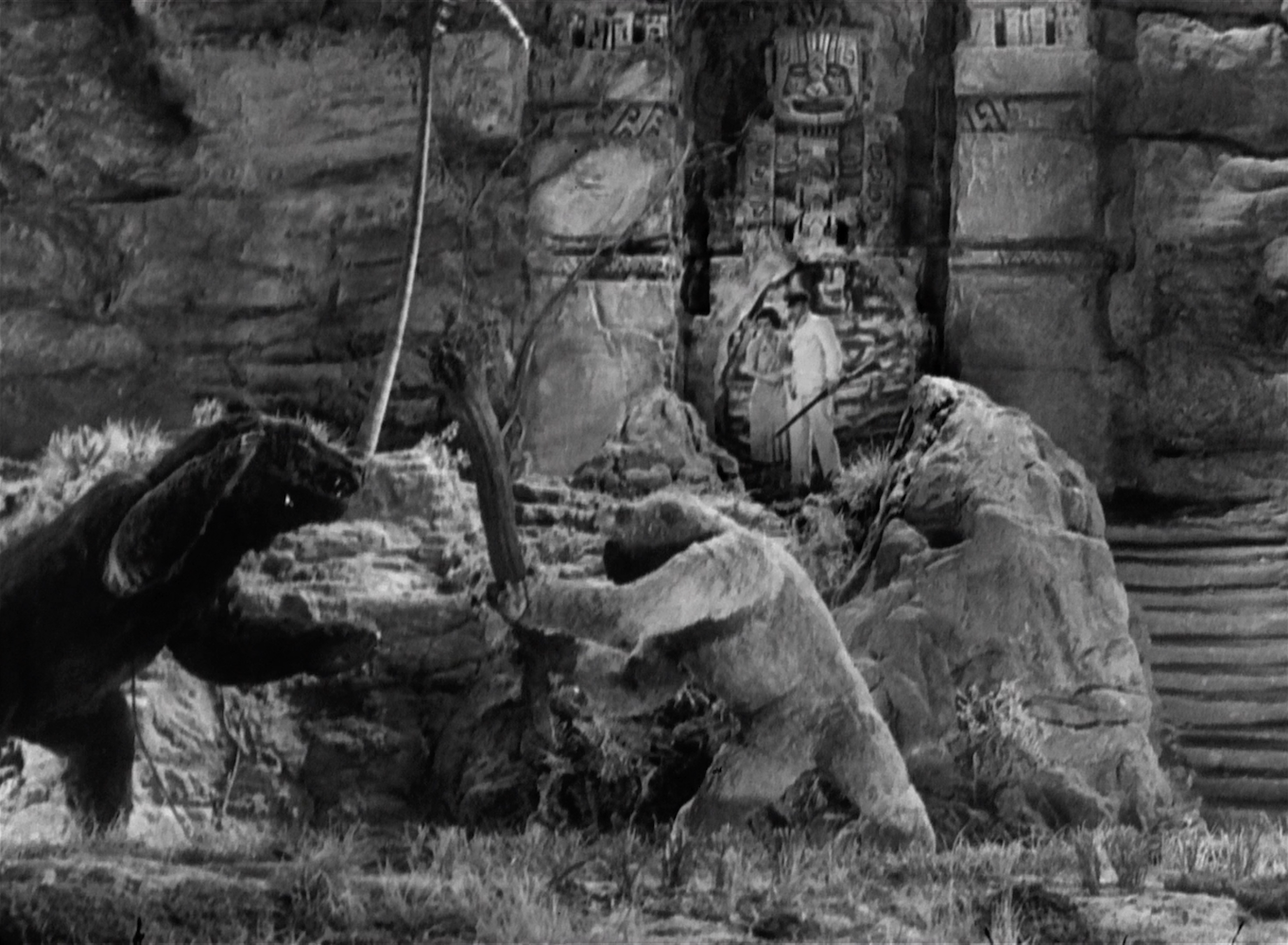
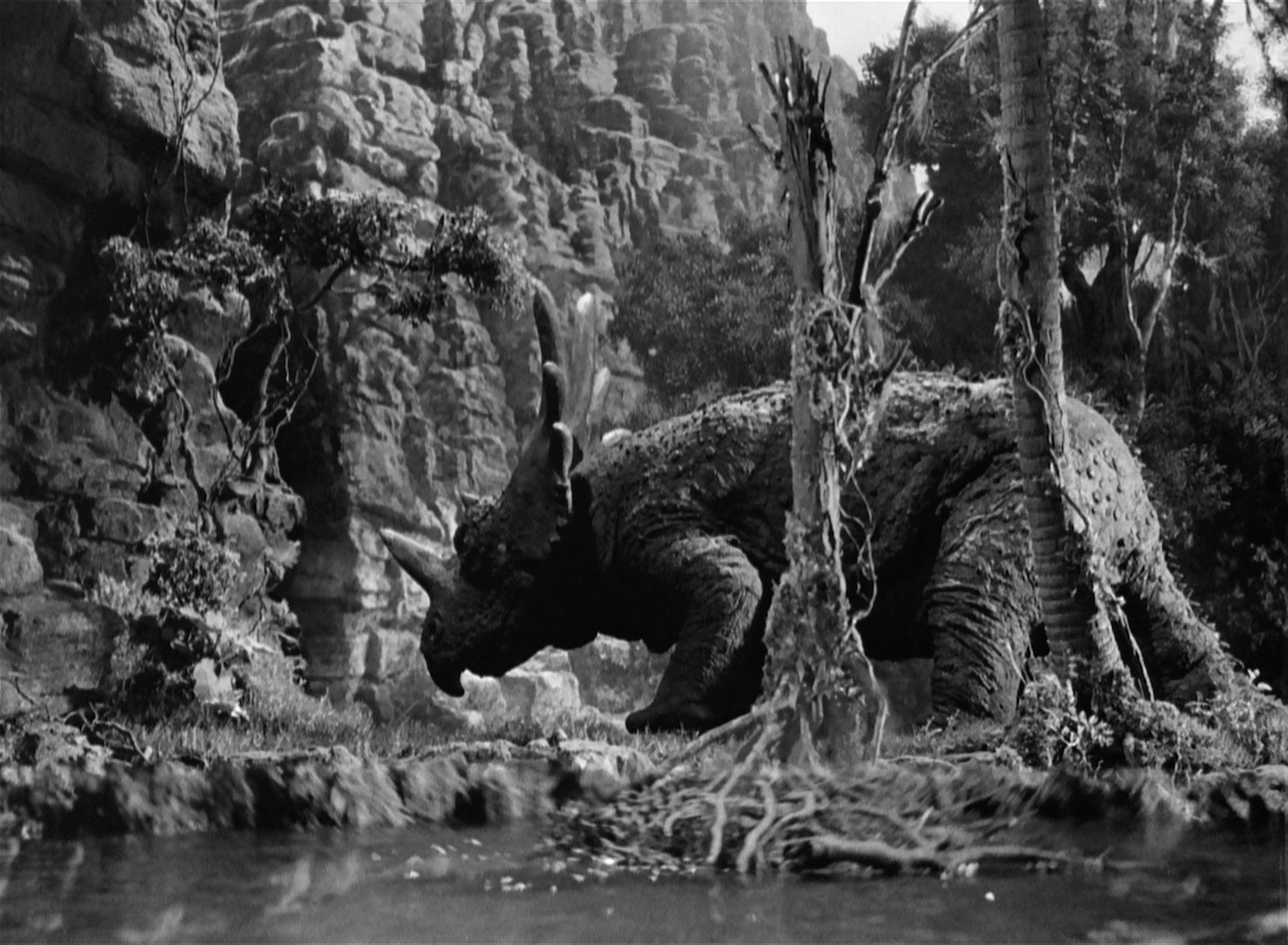
The other creatures of Skull Island have variety, although none makes a lasting impact. Little Kong first battles a cave bear, then later a quadrupedal carnivore (a Nothosaurus) that might have inspired the dragon vs. cyclops fight in The 7th Voyage of Sinbad. Both monster-on-monster tussles are fun, but fall short of the elegance and power of Kong vs. the T-Rex. A Styracosaurus briefly pursues some characters; this model was constructed and filmed for King Kong but cut when the notorious “Spider Pit” scene was excised. It’s the best-looking of the new creatures and an important slice of history from the original film, but its on-screen time is limited. An Elasmosaurus rises up during the finale as Skull Island starts to fall apart to deliver Helstrom his just desserts.
The most extensive visual effects sequence in the film isn’t one of the stop-motion battles, but the model work for the volcanic earthquake that tears the island, either sinking the whole place or just a section of it. As a substitute for the Battle of the Empire State Building in King Kong, it’s minor. As the finale for this leaner, less lofty film, it works. It even has the right amount of pathos to close Denham and Little Kong’s story.
There’s only one thing in The Son of Kong that I think fully fails to work, and that’s the choice to build a romance between Denham and Helen. Denham gets the girl in the end — but I don’t want him to. Helen looks like she just graduated from high school, and Denham could easily be her father. He calls her “kid” all the time to reinforce it. The romantic wrap-up feels wrong, but the filmmakers were smart enough not to show Helen and Denham actually kiss.
My parting thought on The Son of Kong: If King Kong is a stellar Friday night at the movies in a spectacular cinema palace, then The Son of Kong is a laid-back Saturday afternoon in front of the TV. Always room for those.
Rating: Good
 The Ultra Project