
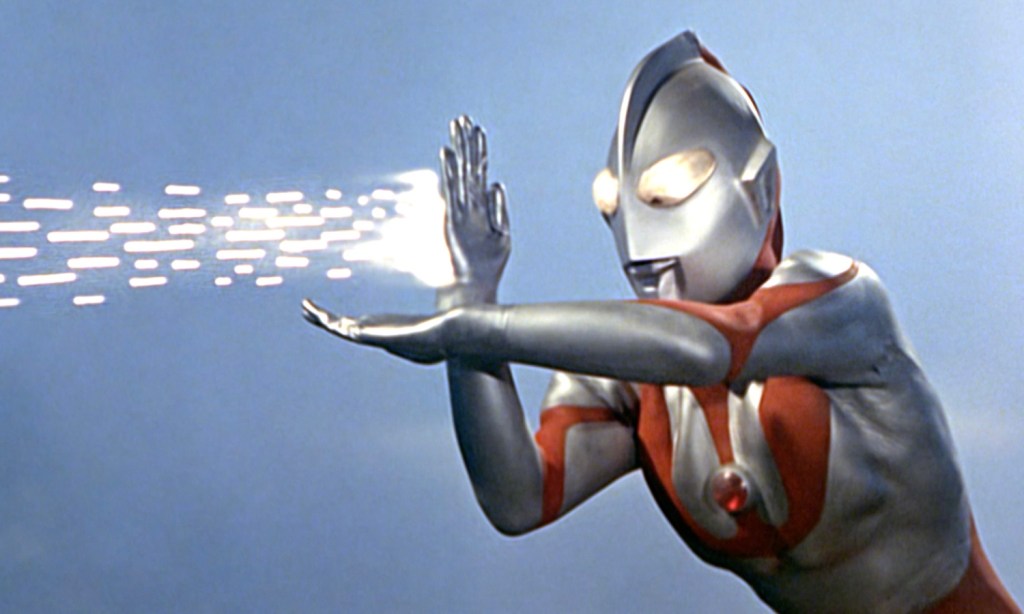
It feels strange to come to the end of Ultraman and start packing things up. There are many more Ultra shows left to review, some of them excellent. But Ultraman is special: the most important show in the franchise’s history, the most watched, the most referenced, and arguably the most loved.
As with my list of favorite Ultra Q episodes, it wasn’t easy to select what to put on this list. I ended up with ten favorites, although I didn’t plan on reaching that magic number. These are the episodes that, for whatever reason, hit me the hardest — whether emotionally, intellectually, or just the pure visceral thrill of seeing giant monster action. The list isn’t ranked; episodes are presented in the order they first aired.
The Monster Anarchy Zone
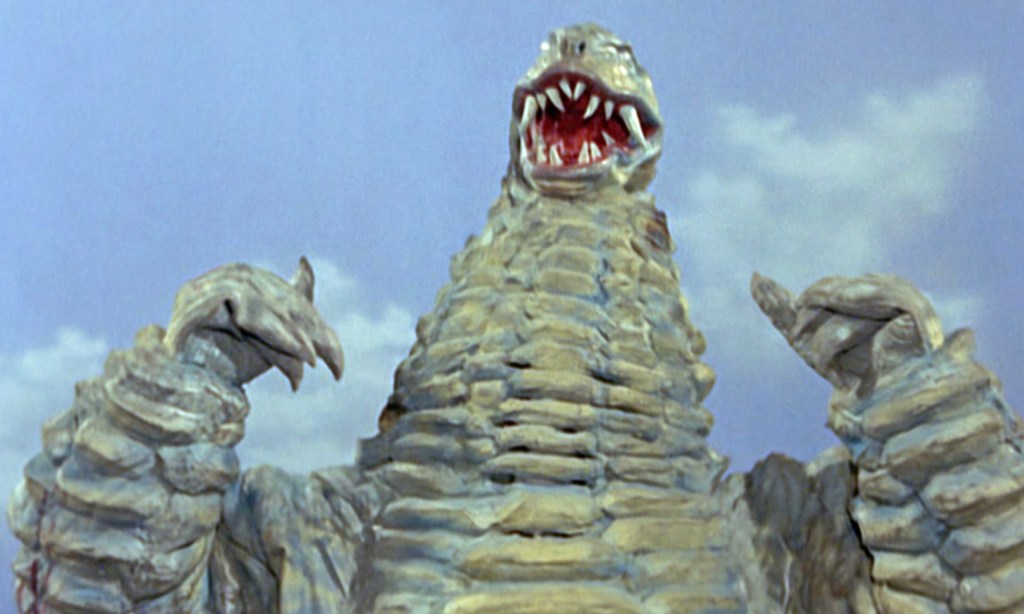
The show’s first classic is a pulpy thrill-fest that sends the Science Patrol to an exotic island packed with monsters. Many other Ultra shows would imitate this King Kong/The Lost World formula, but few would get close to the giddy Saturday-morning excitement that director Samaji Nonagase achieves here. The episode introduces two of the series’ most memorable and personable kaiju: sweet little Pigmon, who’s become one of the mascots of Ultra; and nasty bruiser Red King, perpetual villain and all-around jerk. As pure fun as Ultraman gets.
The Rascal From Outer Space
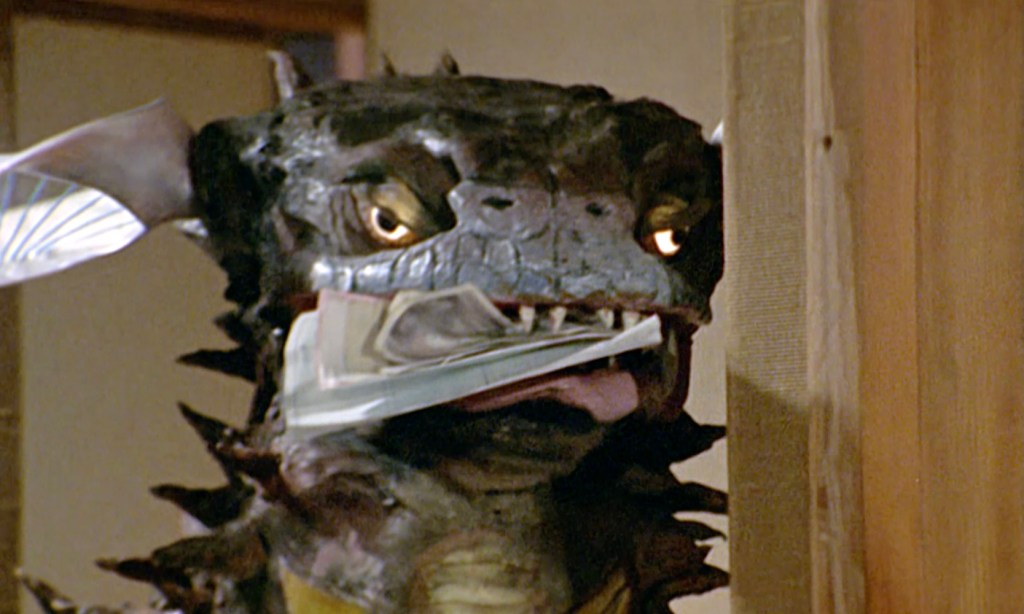
This is the episode I feel is least likely to make the list of many other fans’ favorite episodes. But it has special importance to me because it first taught me just what the Ultraman franchise was capable of getting away with. If it wanted to, Ultraman could leap into full-blown monster-based farce without throwing itself off balance. The laughs are big in this one, everything is tongue-in-cheek, and it just leaves me feeling so much joy. I want to see more Gango in Ultra shows. Bring back this petulant kaiju twerp!
Overthrow the Surface
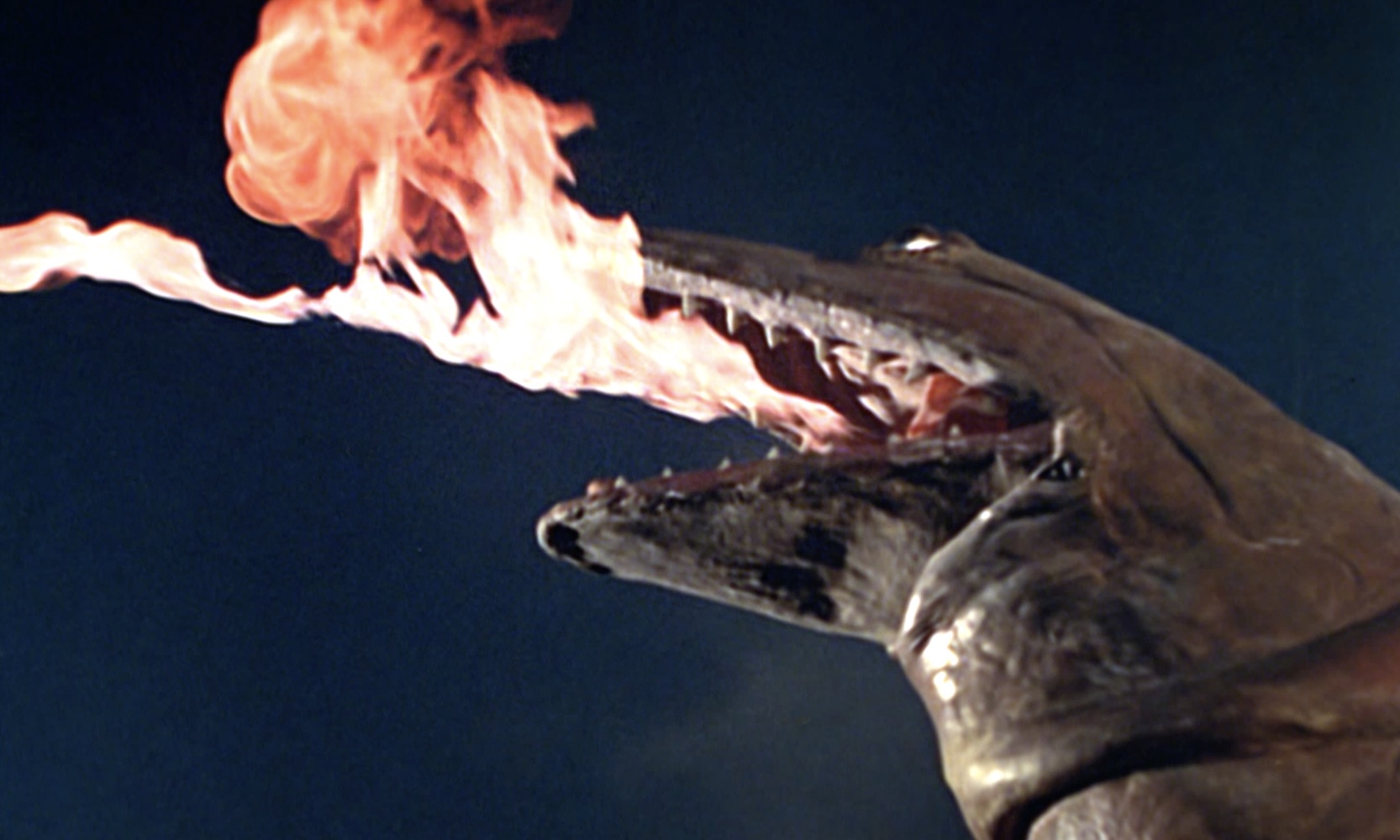
Idiosyncratic visualist Akio Jissoji has a monumental presence among the directors of Ultra shows, and this is one of his best half hours. An underground civilization plots to overtake the surface and captures Hayata because they know he’s Ultraman. They then send their monster Telesdon on an urban rampage. The material sounds conventional, but Jissoji creates a weird nightmare from it with his scenes of the Underground People. He doesn’t let down the kaiju side either, which feels right at home with the brooding darkness of the rest of the episode. A perfect complement of mood and action.
My Home Is Earth
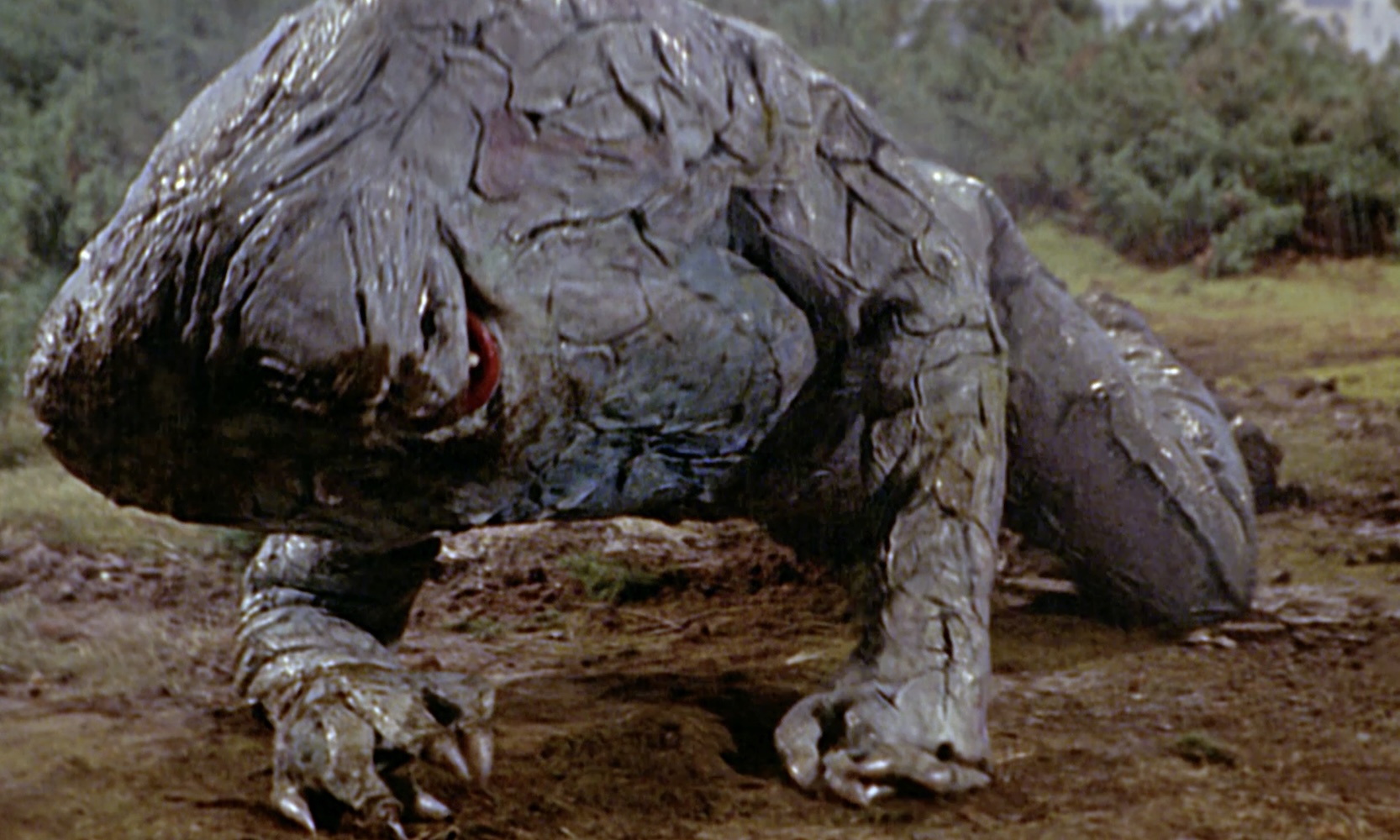
The grand tragedy of the Ultra Series that no future show has ever forgotten, and among the best work Akio Jissoji ever did for the franchise. Ide, the most interesting member of the Science Patrol, blossoms to full potential as an intelligent, insightful man. Ide rebels against fighting a monster he discovers is actually a mutated human who was sacrificed to the Space Race. Jissoji reins in some of his biggest visual flourishes and concentrates on the story’s tone. The combination of his work, Masanari Nihei’s performance as Ide, and the series-best music from composer Kunio Miyauchi create one of the unforgettable installments in all of tokusatsu.
The Monster Highness (Parts 1 & 2)
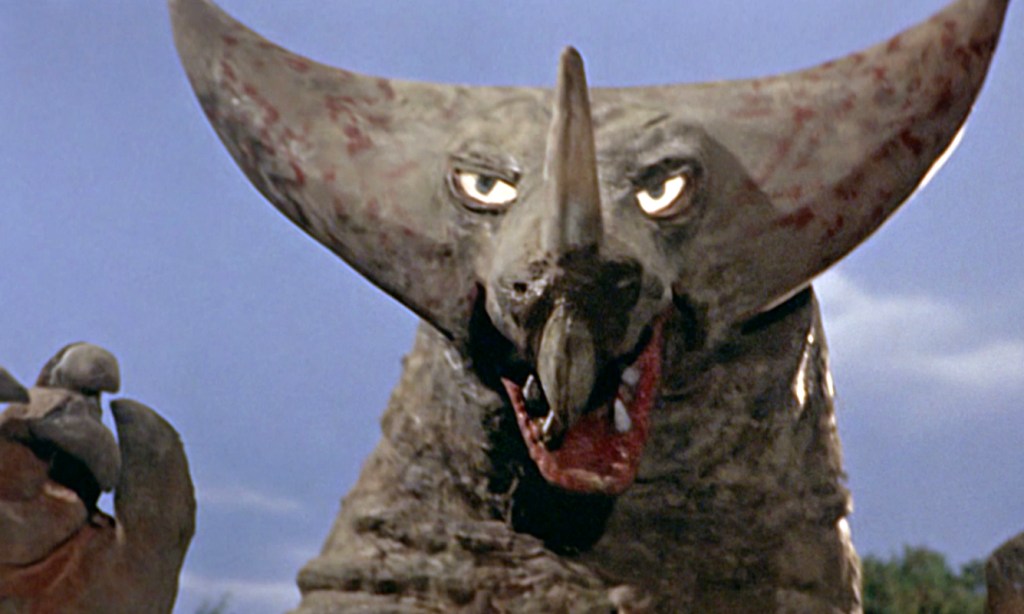
You want epic Japanese giant monster action — a miniature Toho Godzilla movie? You got it! The first two-parter in the Ultra Series is a cinematic kaiju movie carefully modified to fit your TV screen. Gomora establishes itself as the most famous kaiju of the franchise, and the Tsuburaya Pro effects team puts in the hard work to make the action scenes as satisfying as possible. The story of the monster-loving boy who becomes instrumental in the final confrontation with Gomora is one of the best executions of a child-centered plot and reflects the viewers’ own love of monsters back at them.
Mysterious Comet Tsuifon
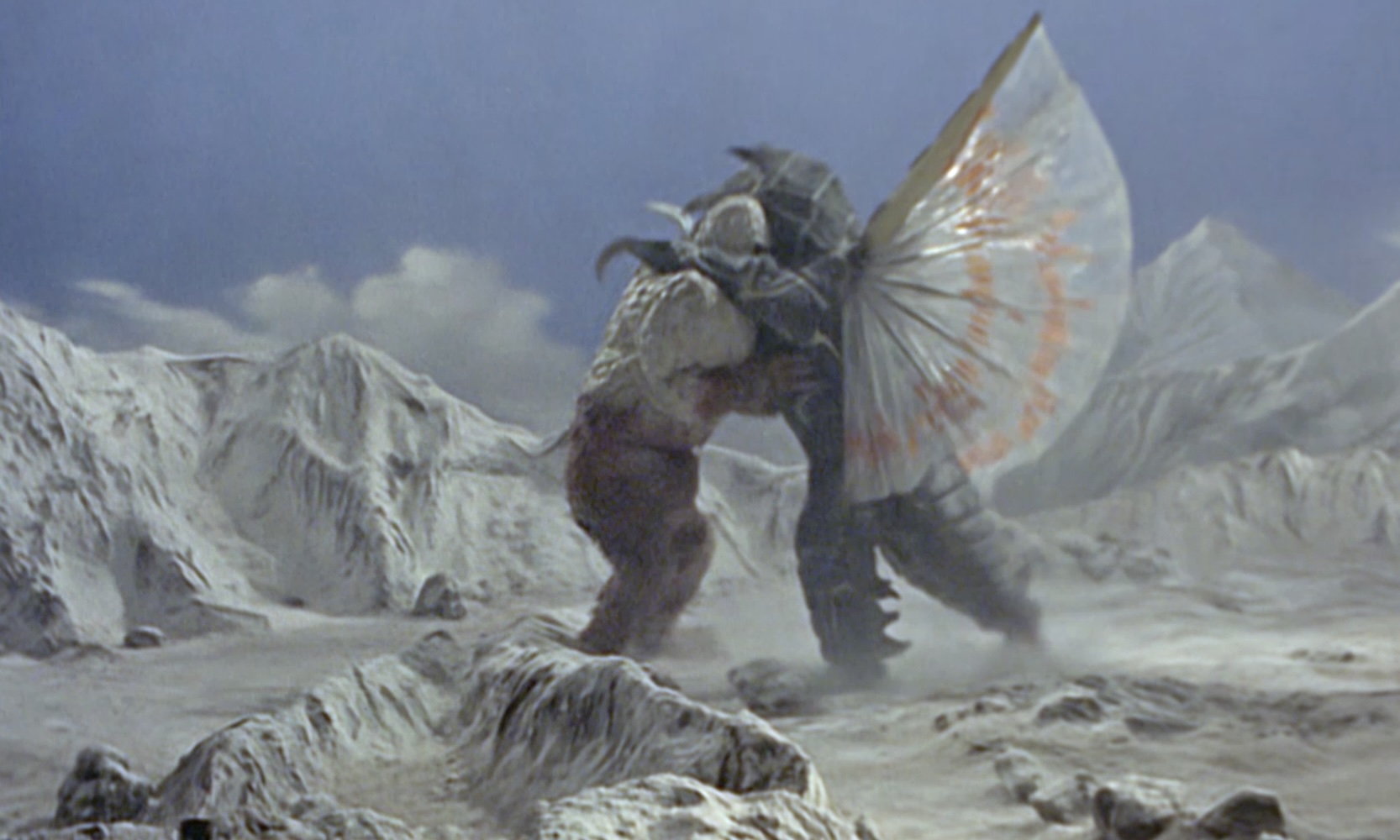
This episode has a message about how humanity must use reason to save itself. You can pay attention to that if you want to. I’ll just enjoy the marvelously entertaining smackdown between three monsters in the Japanese Alps. Red King returns, an even a bigger bastard than before. Another episode where the VFX team threw everything they had at the screen to ensure viewers did not leave unsatisfied. There’s some nice character work for the Science Patrol as an ensemble as well. An all-around rollicking time.
Phantom of the Snow Mountains
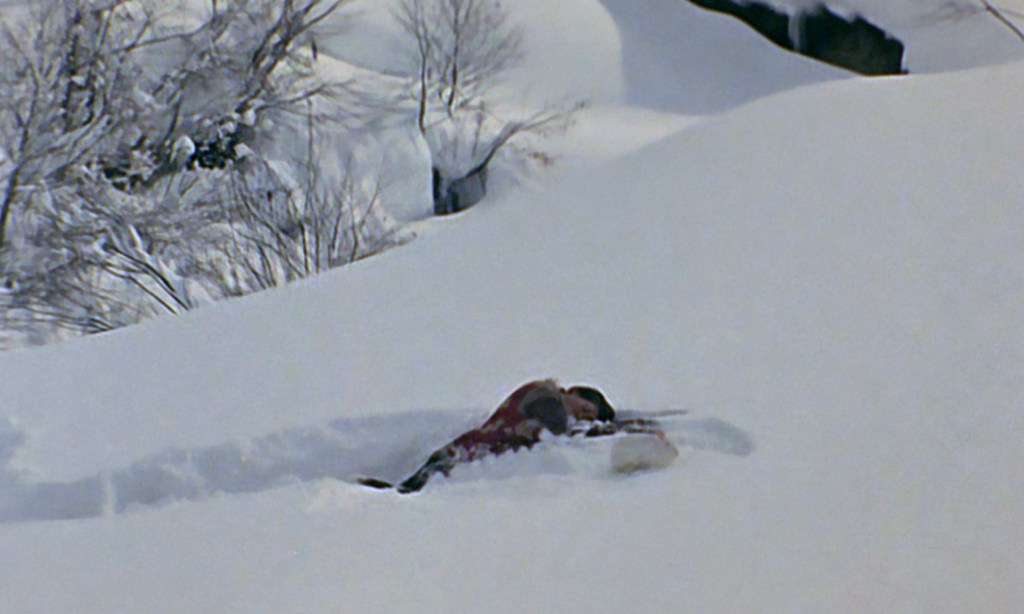
The other great tragic episode of Ultraman after “My Home Is Earth.” This one is a tragedy of prejudice and the outsider who faces it, pulled from writer Tetsuo Kinjo’s own experience as an Okinawan during the Japanese World War II occupation. Yuki, the “Snow Girl,” is one of the most intriguing guest characters in the series, and her connection to the giant snowbeast Woo is at times heartbreaking. The story isn’t afraid to confront the violence that comes from prejudice and chooses to go down a much darker road than many would expect.
The Forbidden Words
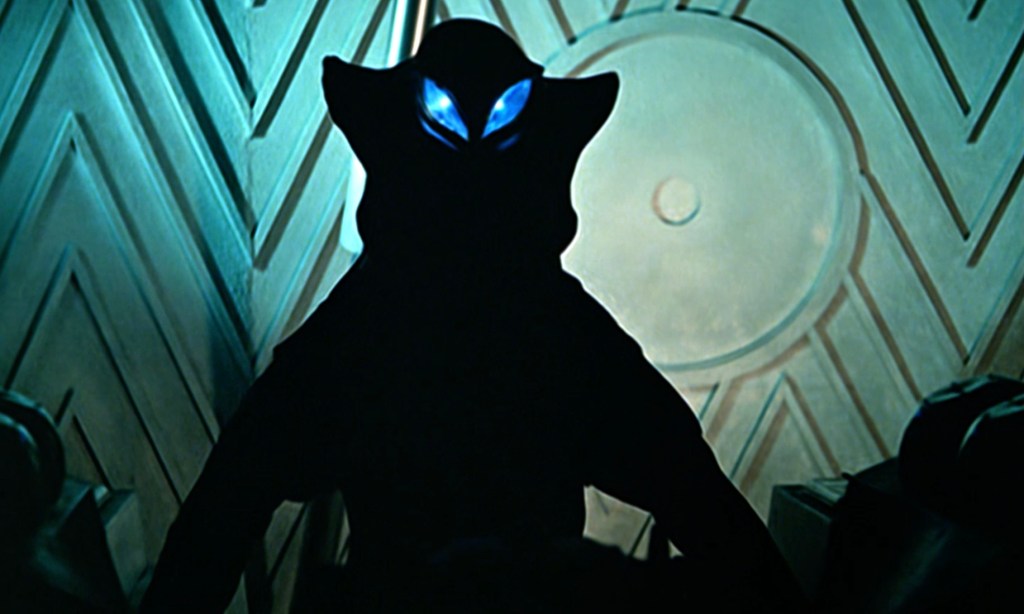
Ultraman features some classic alien supervillains, like Zarab and Alien Baltan. But Mefilas gets the blue ribbon — he’s the master of deception and coercion, and he’s not an enemy Ultraman can simply defeat with a couple punches and the Specium Beam. Mefilas must coax a human into surrendering the Earth to him with a few spoken words, and chooses a child as his target. Does this make complete sense? No, but it shows you what great execution and writing can do with a strange premise, because Mefilas’s threat feels real. The climax between Ultraman and Meflias is one of the show’s most unexpected.
A Gift From the Sky
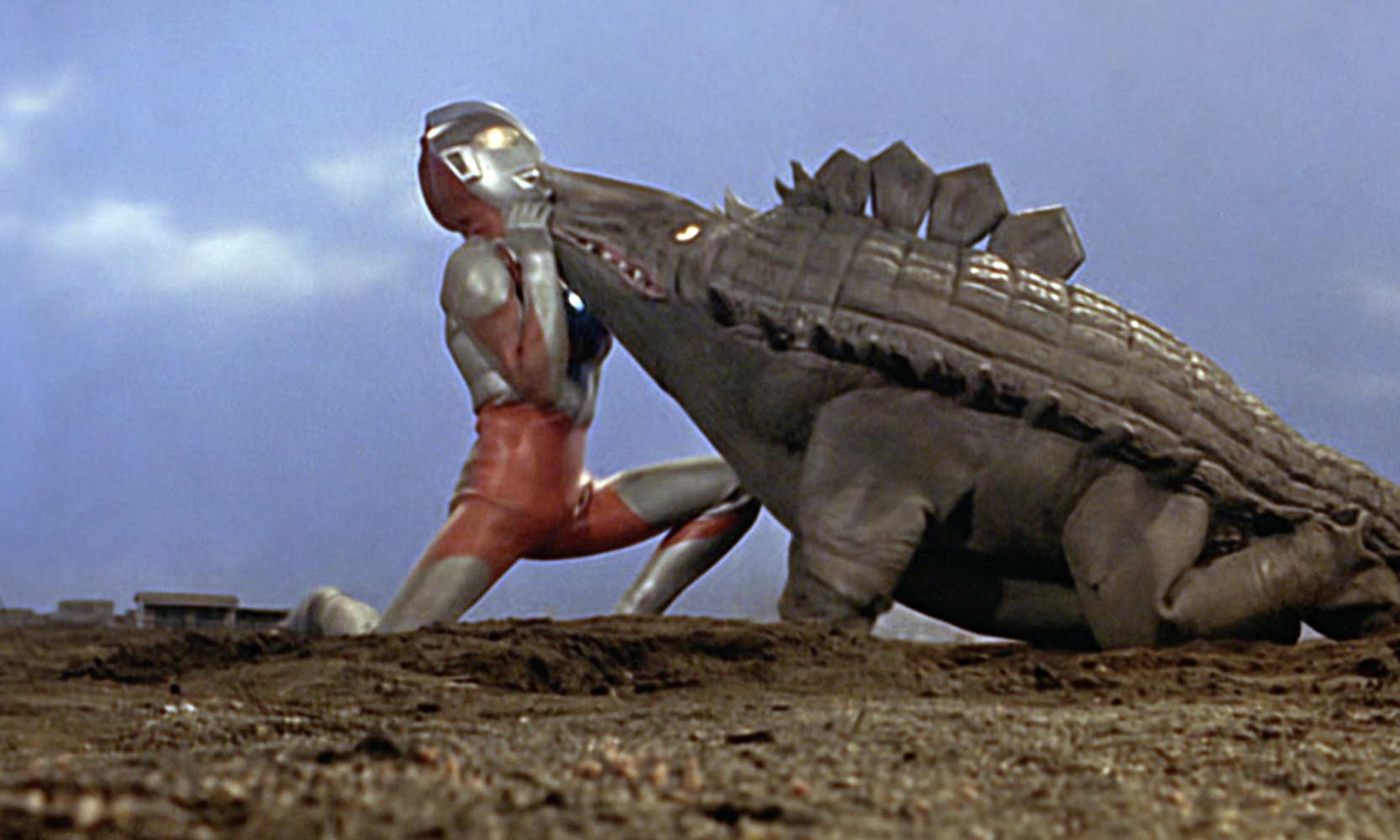
We’ve got heavy tragedies in Ultraman, but we also have weird comedies. Here’s Akio Jissoji in his most stylized mood, orchestrating a dance of frustration as the Science Patrol must solve the problem of a heavy monster that they just can’t move, no matter what crackpot scheme they come up with. Structured like a Chuck Jones Road Runner cartoon and always funny, the episode is a showcase for the personalities of the Science Patrol. By this point in the show, the SSSP members have developed an easy, humorous rapport that accounts for a good amount of the humor. Includes the classic line: “Aim for its butthole.”
The Monster Graveyard

Oh, poor Seabozu. The saddest of all kaiju, the lonely creature doomed to walk the Earth until Ultraman and the Science Patrol can find a way to return it to the Monster Graveyard where all defeated monsters reside. This episode is a necessary investigation into what “monsters” actually are. They’re big and dangerous, but not necessarily evil. The sympathetic portrayal of the lost Seabozu gives this episode a lot of heart — and it’s also funny as well as it forces Ultraman and the Science Patrol into behavior they’re simply not used to. It’s part of an overall growth of maturity in the show during its run, and probably the most sincere and sweet episode.
A Little Hero
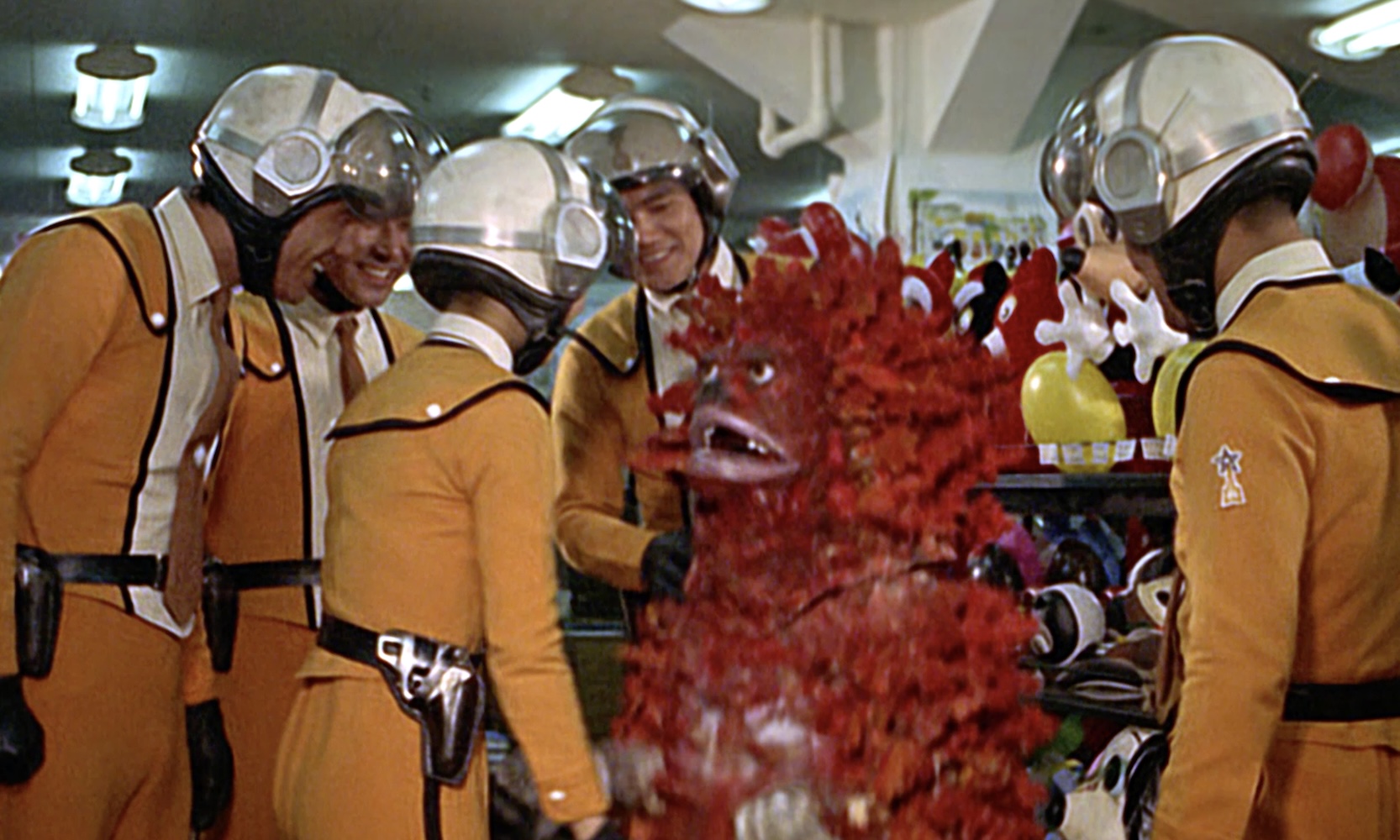
Having the adorable monster Pigmon return might seem like basic pandering to kids, resulting in a cutesy, mediocre episode. But writer Tetsuo Kinjo and director Kazhuo Mitsuta chose to make an episode that questions the premise of the show and the purpose of the Science Patrol. Ide again carries the emotional and ethical weight of the story, displaying what a complex and deep character he’s become over the run of the show. Although this isn’t the final episode, it feels like it’s tying up the themes of the show before the last bow. The remaining two episodes act like a direct response to “The Little Hero.”
Other Essential Episodes
I had to make some harsh choices for the final list in order to keep it manageable. These episodes came closest to making the cut, as well as episodes I consider essential viewing for people who want to get a grasp on the show and some of its arcs.
- Ultra Operation No. 1 – Not a mind-blowing opener, but it’s the origin story of the first Ultra warrior in a series that has run for 60 years, so go watch it.
- The Blue Stone of Baradhi – The break-out moment when the show found its footing. We begin to see a broader mythology behind the Ultras that forecasts the future of the franchise.
- The Mysterious Dinosaur Base – Ultraman vs. Godzilla! Or as close as we’ll ever get. Kaiju goodness everyone can enjoy.
- Terrifying Cosmic Rays – This one came the closest to making the list, but I let three other Akio Jissoji-directed episodes edge it out. Maybe I’ll change my mind tomorrow. Oh well.
- Demons Rise Again – Pure giant monster spectacle, with two kaiju battling it out as they smash apart a major Tokyo monument. Straightforward and so much fun.
- Don’t Shoot, Arashi! – A strong character study and conflict for the seemingly least complicated member of the Science Patrol.
- Spaceship Rescue Command – Another episode that almost made the cut. The pinnacle of special effects on the show and a truly epic planetary adventure.
- Farewell, Ultraman – The creative team may not have nailed down everything for the first series finale, but they got close with a powerful theme about humanity’s abilities.
In Closing…
Ultraman is not my pick for the best of the Ultra shows. That honor goes to the follow-up, Ultraseven. But it may be the show for which I have the most affection, the one I’m most likely to rewatch. It has the same comfort and familiarity that I get from classic Star Trek, where the characters are like old friends, its world is a wonderful place to spend time, and each adventure, even the lesser ones, is worth revisiting.
During this review project, I came to appreciate more than ever how much variety Ultraman packs into 39 episodes. It inherited this variety from Ultra Q, then found a way to take this creative array of stories and adapt them to work in a stricter formula with a superhero fighting a giant monster of the week. Ultraman could have easily turned repetitious, with each episode following the same pattern as “Science Patrol, Move Out” or “Lightning Operation.” Giant monster appears, the Science Patrol tries to stop it, Ultraman shows up in the finale and defeats the monster. Repeat and repeat.
But that’s not what happened. The creative team continually sought fresh ways to tell these stories, while also growing more ambitious with the conventional monster-fight entries. Just look at the episodes I selected above as my favorites. No single episode type dominates: I’ve included standard giant monster stories told exceptionally well, tragic tales filled with social commentary, experimental comedies, exotic adventures, and character pieces. There’s always something new to look at in Ultraman — and if one doesn’t quite work for you, just wait for next one.
Ultraman holds up today, far better than many other science fiction shows of the era. (Certain Irwin Allen productions come to mind…) That’s a testament to the creative abilities and ambitions of everyone involved.
So as I close up here with Ultraman — for the time being, at least — I want to give special credit to several of the creative folks who made a strong impression on me during this rewatch: Writers Tetsuo Kinjo and Mamoru Sasaki. Directors Kazhuo Mitsuta, Akio Jissoji, and Samaji Nonagase. Special effects director Koichi Takano, who supervised the effects for 30 episodes. Composer Kunio Miyauchi. Special effects artist Tohl Narita. Kaiju suit-builder Ryosaku Takayama. And actors Masanari Nihei (Ide), Hiroko Sakurai (Fuji), and Akiji Kobayashi (Cap. Muramatsu).
Shuwatch!
 The Ultra Project