Directed by Kazuho Mitsuta. Written by Tetsuo Kinjo. Airdate March 26, 1967.
Friendly monster Pigmon debuted in “The Monster Anarchy Zone,” Ultraman’s first classic episode. The kids who watched the show loved the little creature. It was natural for Pigmon to return, even though the monster died sacrificing itself in its first appearance. With the series’ best writing-directing team at the helm — Tetsuo Kinjo and Kazuho Mitsuta — Pigmon’s return engagement is one of the most emotionally charged episodes. It also sets up the show’s upcoming conclusion, which raises heavy questions about the whole premise of Ultraman.
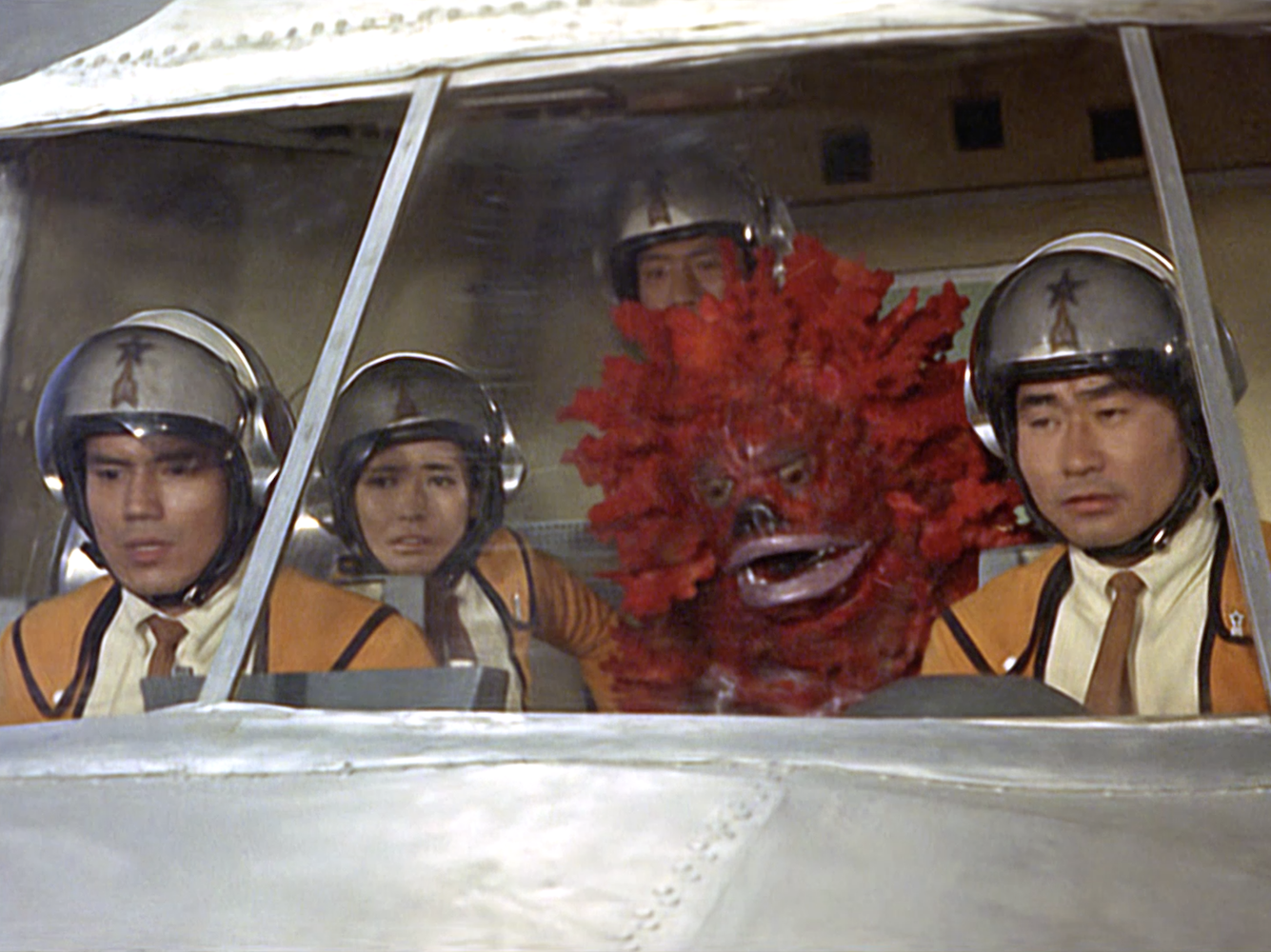
Events start out light: Pigmon materializes inside a Ginza shopping center, bumbling around and scaring the customers, except for a child who immediately recognizes the cute monster. The police call in the Science Patrol. (I love the department store owner protesting to the cops that he can’t have Pigmon in the store because “we don’t have anything to sell to a monster.”) The SSSP is delighted to see Pigmon, though they’re unusually incurious about why the monster is alive and in downtown Tokyo rather than dead on Tatara Island. Pigmon seems desperate to communicate with the team. They take him to a scientist who studies dolphin sounds to see if he can decipher Pigmon’s monster-speak.
This opening is funny and cute — and raises nitpicky questions. How does that kid know who Pigmon is? The Science Patrol encountered the monster on a distant island. There are toy figures at the store of Pigmon, Red King, and … Kanegon? Maybe Ultra Q exists as a television show in-universe. Since Ultra Q would later be retconned as part of the next several shows, this is another piece of evidence of their connection. But Kanegon wasn’t a publicly known figure either.
None of this really matters, but as a fan of the Ultra franchise, I enjoy bringing it up. Taken on its own, Ultraman’s world appears to have the television show Ultraman exist within it as well. I have no problem with that weird contradiction. For the children watching, it makes sense.
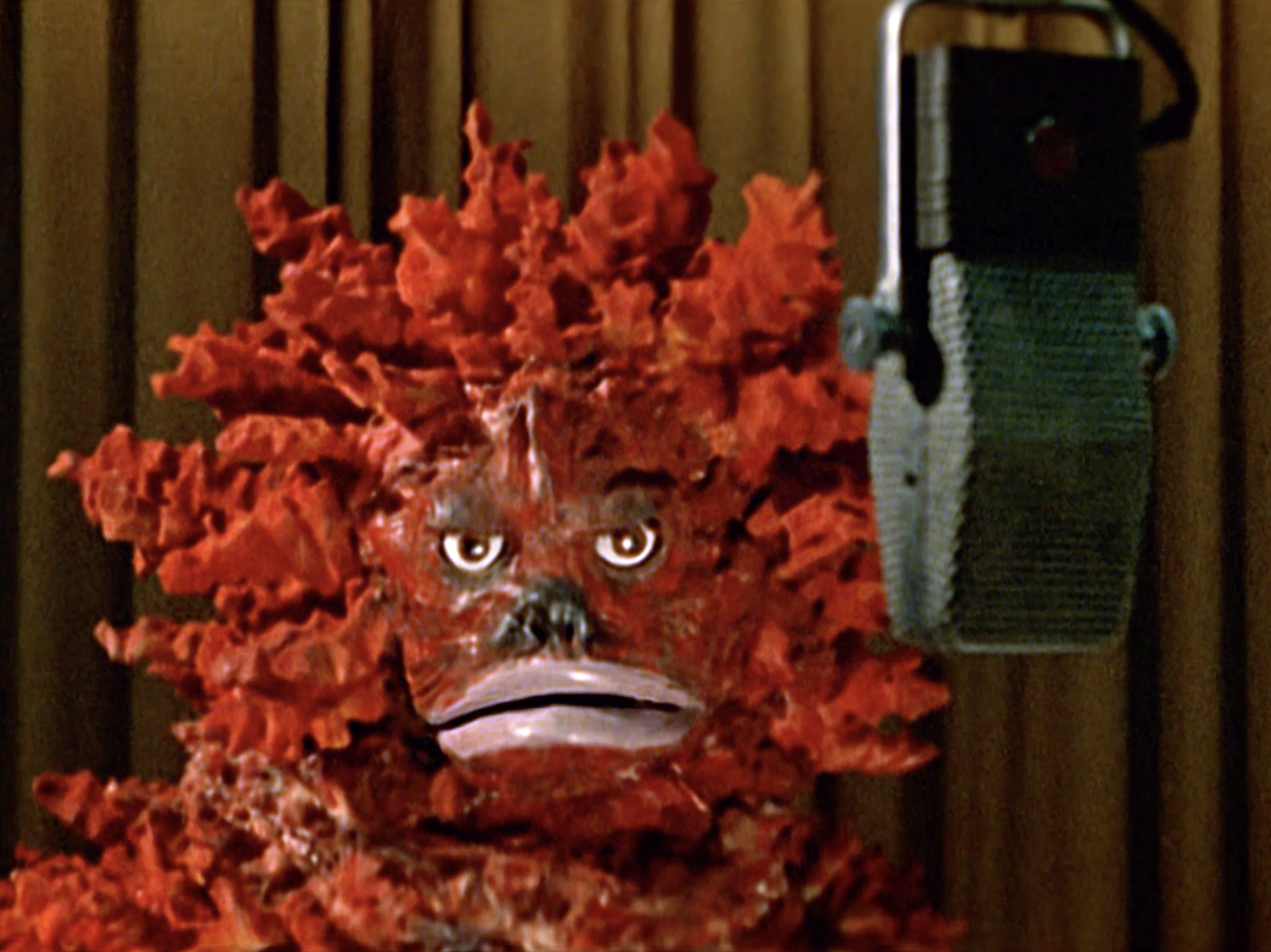
After deciphering Pigmon’s language (done by placing Pigmon in a recording studio so it looks like the monster is about to lay down the vocal for its next big single, “Kaiju Love Call”), the Science Patrol learns that a monster called Geronimon is using its power to resurrect the monsters Ultraman has destroyed and coordinate a mass attack. It was Geronimon who resurrected Pigmon, unaware that the friendly monster would warn its buddies at the Science Patrol.
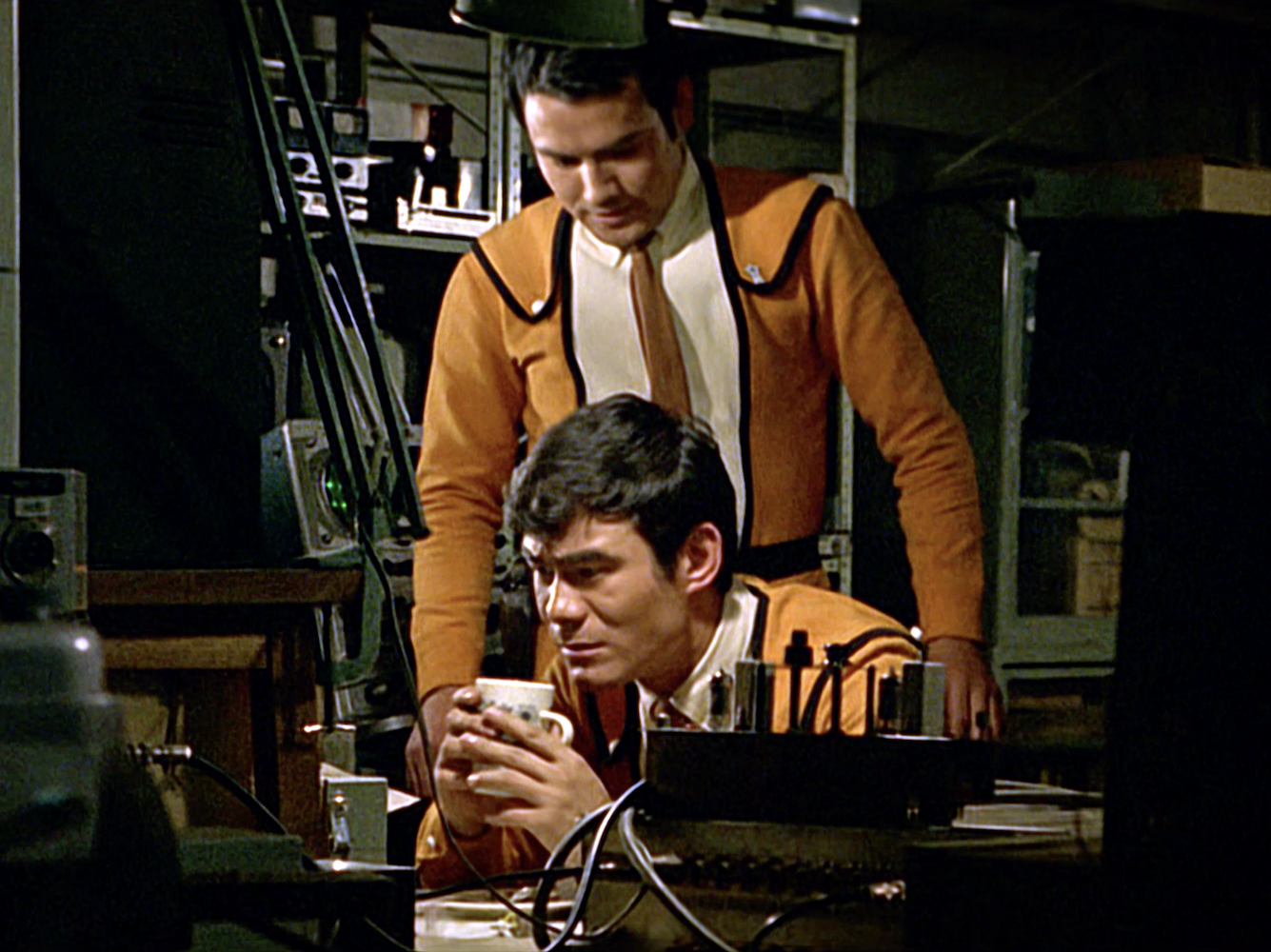
The episode takes a darker turn as Ide plunges into depression. Where once he worried about harming monsters, now he now doubts the whole point of the Science Patrol. He asks the question many viewers have already asked themselves: Why have the SSSP around when Ultraman will just show up and save the day at the end? A good question, one that confronts the show’s premise. Ide ponders whether all his work is useless. Hayata rattles off examples of times the SSSP aided Ultraman, but this doesn’t make Ide feel any better.
Again, huge credit to actor Masanari Nihei. It’s amazing to recall this is the same bumbling, shrieking comic relief guy from back in “Shoot the Invader!” Nihei burrows deep into Ide’s gloom and sells it. In another actor’s hands, this might have come across as funny or disingenuous. Nihei makes Ide’s fear that his life’s work has no meaning feel genuine.
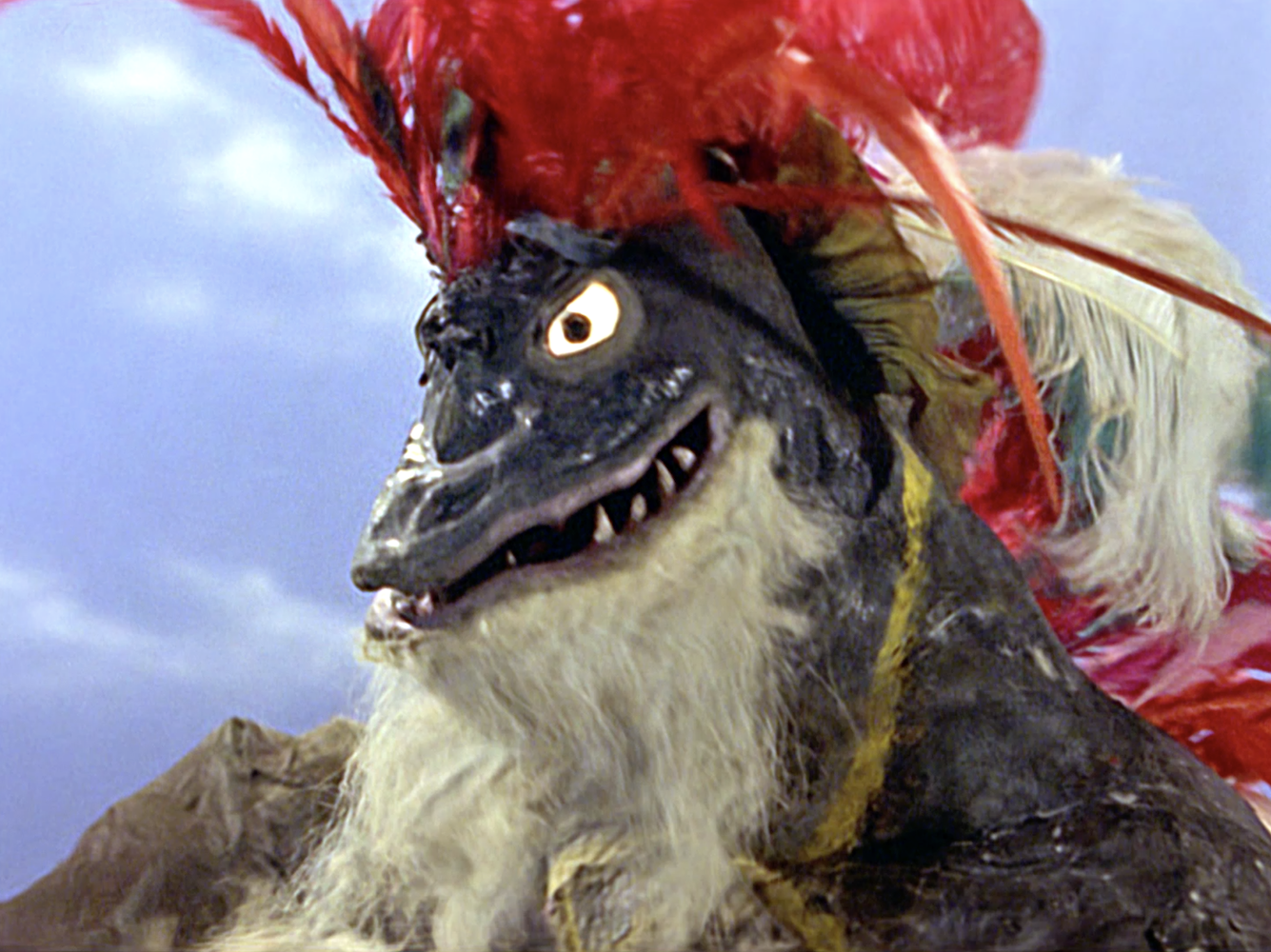
Ide’s crisis is at the heart of the rest of the episode when the Science Patrol confronts two of the monsters Geronimon has so far revived, Telesdon and Dorako, and then Geronimon itself. (Geronimon, as its name might indicate, has some uncomfortably dated and stereotypical Native American design elements.)
Spoiler caution from this point forward, but to talk about how this episode works within the final run of Ultraman, I need to talk about the climax.
As Dorako closes in on Ide and Hayata’s position, Ide loses faith and starts screaming for Ultraman to come rescue them. Hayata chooses not to transform, and then Pigmon hops out to distract Dorako … and gets killed. Dorako straight up punches Pigmon into the rocks.
Pigmon’s death is a shock, but what happens next is even more shocking.
Hayata seizes Ide, berates him, and slaps him to the ground, yelling that he should be ashamed of his cowardice after Pigmon’s bravery. Ide comes to his senses, realizes the SSSP is important, and uses his best weapon to annihilate Dorako. Justice for Pigmon!
Although there’s still an exciting fight ahead between Ultraman and Geronimon that involves a fleet of attack feathers, this is the real climax. It’s one of the biggest acting moments Hayata has in the series — arguably the most interesting the character ever gets — and a rare case of Science Patrol members getting legitimately angry at each other. Hayata makes explicit for the first time that Ultraman will only help after the Science Patrol has done everything they can. Is this the alien speaking, or Hayata?
With only two episodes of Ultraman remaining, “A Little Hero” serves as a pre-finale wrap-up. It further deepens Ide’s character and broaches a major question about the purpose the heroes serve. Pigmon’s return loops the show back to its first great episode, and having the little monster die a second time to rescue the Science Patrol adds a tragic note. Pigmon’s first sacrifice was touching, but this one hits harder because it occurs as Ide is about to surrender his will to do his job. Pigmon’s bravery teaches Ide a lesson about how protecting humanity is everyone’s job — even when there’s an alien superhero who will come along for the finishing blows.
Although Ultraman didn’t need any help with ratings, Pigmon powered this episode to a whopping 42.8% share, the highest rating for the show and for any classic Ultra shows. No wonder Pigmon turned into the show’s perpetual mascot, an honor it shares with Kanegon.
Pour out another one for Pigmon. Dorako, you’re a jerk.
Rating: Classic
Previous: Don’t Shoot, Arashi!
Next: Spaceship Rescue Command
 The Ultra Project