
Directed by Kazuho Mitsuta. Written by Masahiro Yamada. Airdate March 19, 1967.
Science Patrol Member Daisuke Arashi is one of the character templates of the Ultra Series: the action-oriented, shoot-first defense team member who’s always ready to rumble with the monster of the week, whether it’s a smart move or not. This archetype has shown up many times since. The action-guy In Ultraseven, Furuhashi, is even played by the same actor who plays Arashi, Sandayu Dokumamushi. Defense teams need a person like this to balance the more peaceful and utopian approach the shows often take. There has to be someone around to say, “Let’s just shoot the damn thing!” even if that tactic rarely works. And poor Arashi has so often been wrong about shooting first.
As per the title, this is an Arashi-centered episode — and it’s a strong character piece with terrific action befitting the SSSP’s most militaristic character. The story doesn’t break new ground with Arashi the same way that “My Home Is Earth” unveiled new levels to Ide, but it uses Arashi in a way that challenges his basic drives and explores his relationship with authority.
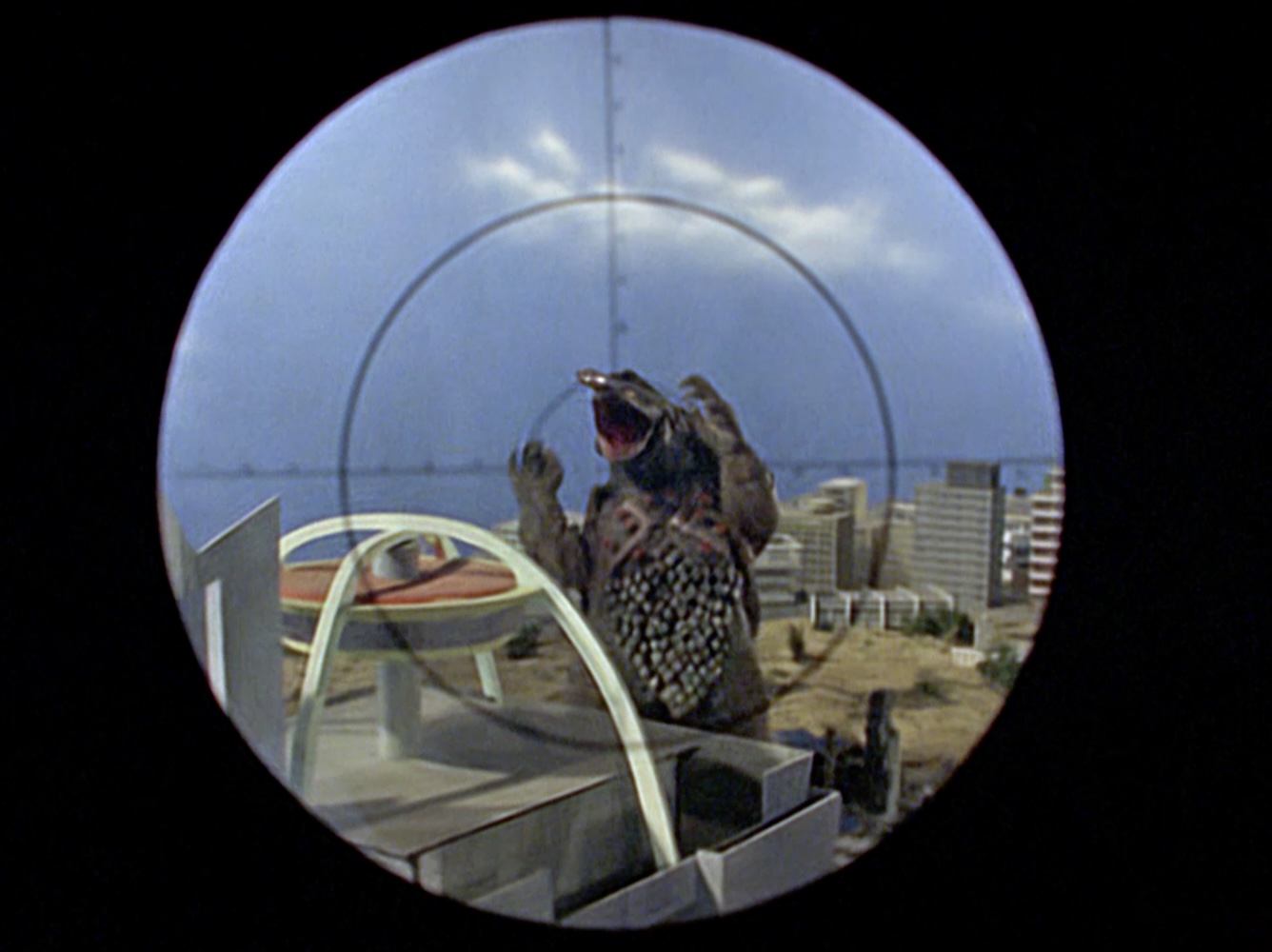
The conflict is straightforward: Captain Muramatsu orders Arashi not to take action against a dangerous kaiju. This goes against everything Arashi believes. The Comprehensive Defense Committee makes a decision regarding Zaragas, the newest kaiju to torment Tokyo. Because Zaragas rapidly adapts to any attack, becoming stronger and more aggressive, the Committee orders the Science Patrol not to engage it.
This is a slightly odd attitude, especially since the Committee offers no alternative to dealing with Zaragas. Arashi can’t handle this: “We have to stand by and watch? Why have an SSSP at all?” he says to Muramatsu.
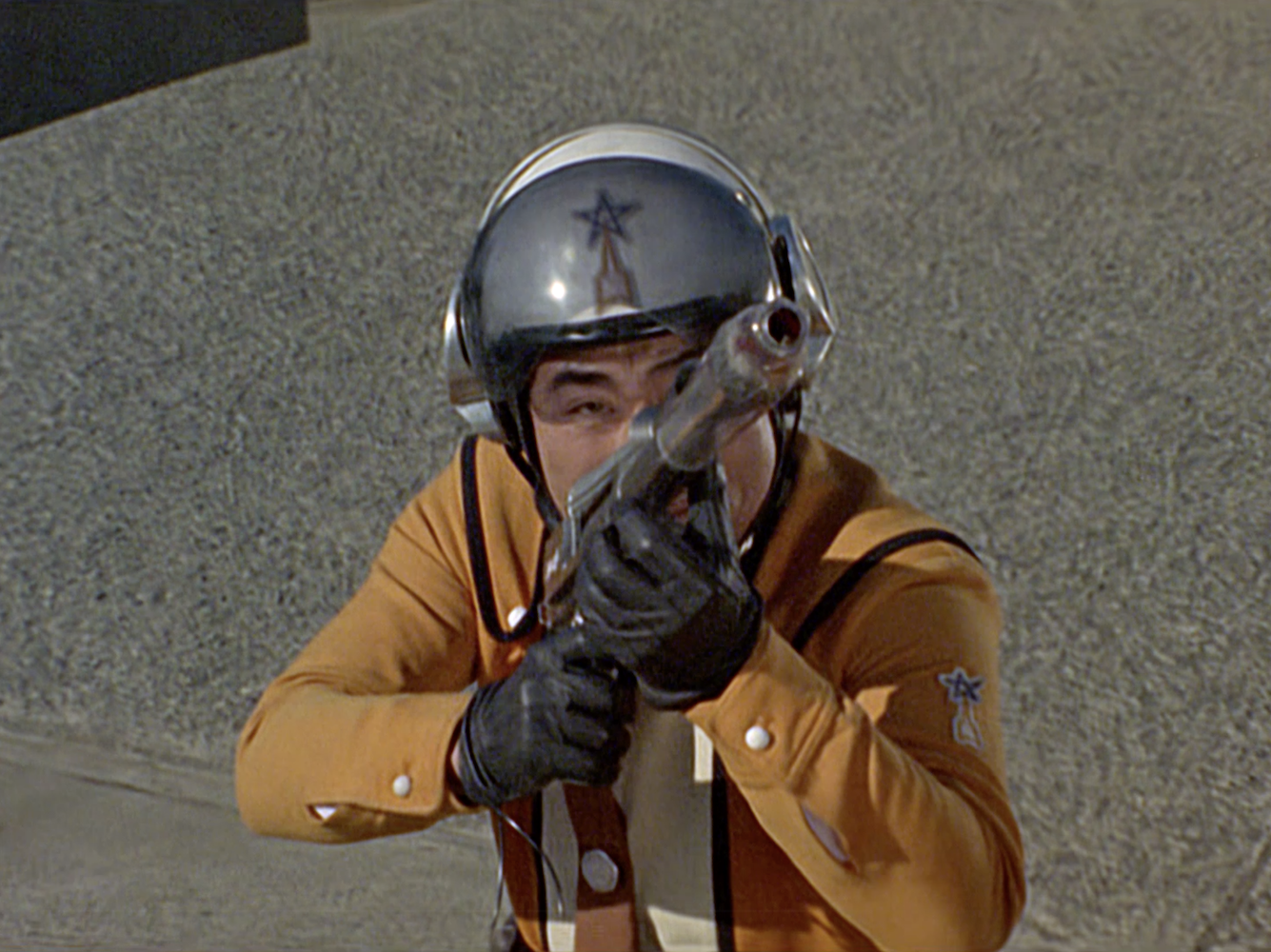
Arashi has an unusual ally on this issue: Ide, the same SSSP member who showed sympathy for kaiju in “Phantom of the Snow Mountains.” The team’s inventor is frustrated at this paralysis of their defense capabilities, especially since he’s developed a new weapon, the QX Gun (“The Quickly Extinguish Gun,” a name that doesn’t translate smoothly to English), that he believes can take down a monster in one shot. Captain Muramatsu is sympathetic to Arashi and Ide’s frustrations, but his orders stand. As the title says, Arashi must not shoot.
Director Kazuho Mitsuta was the perfect choice to handle this drama. He’s one of the best Ultra directors for character-focused stories, and he wrings the maximum tension from Arashi trying to resist the urge to just blast away at Zaragas with the QX Gun. The episode’s central scene, where Arashi sweats and trembles as he fights against his primal drive to fire at Zaragas, is handled superbly, accompanied by excellent tension music from composer Kunio Miyauchi. Actor Sandayu Dokumamushi is strong throughout the episode, and in this scene he turns in his series-best performance.
Of course, Arashi is going to shoot. This escalates the situation and leads to Hayata being blinded and in the hospital along with several children. Arashi has to face the consequences of his failure to follow orders, leading to a superlative scene in the hospital that shows Dokumamushi and director Mitsuta working in top form.
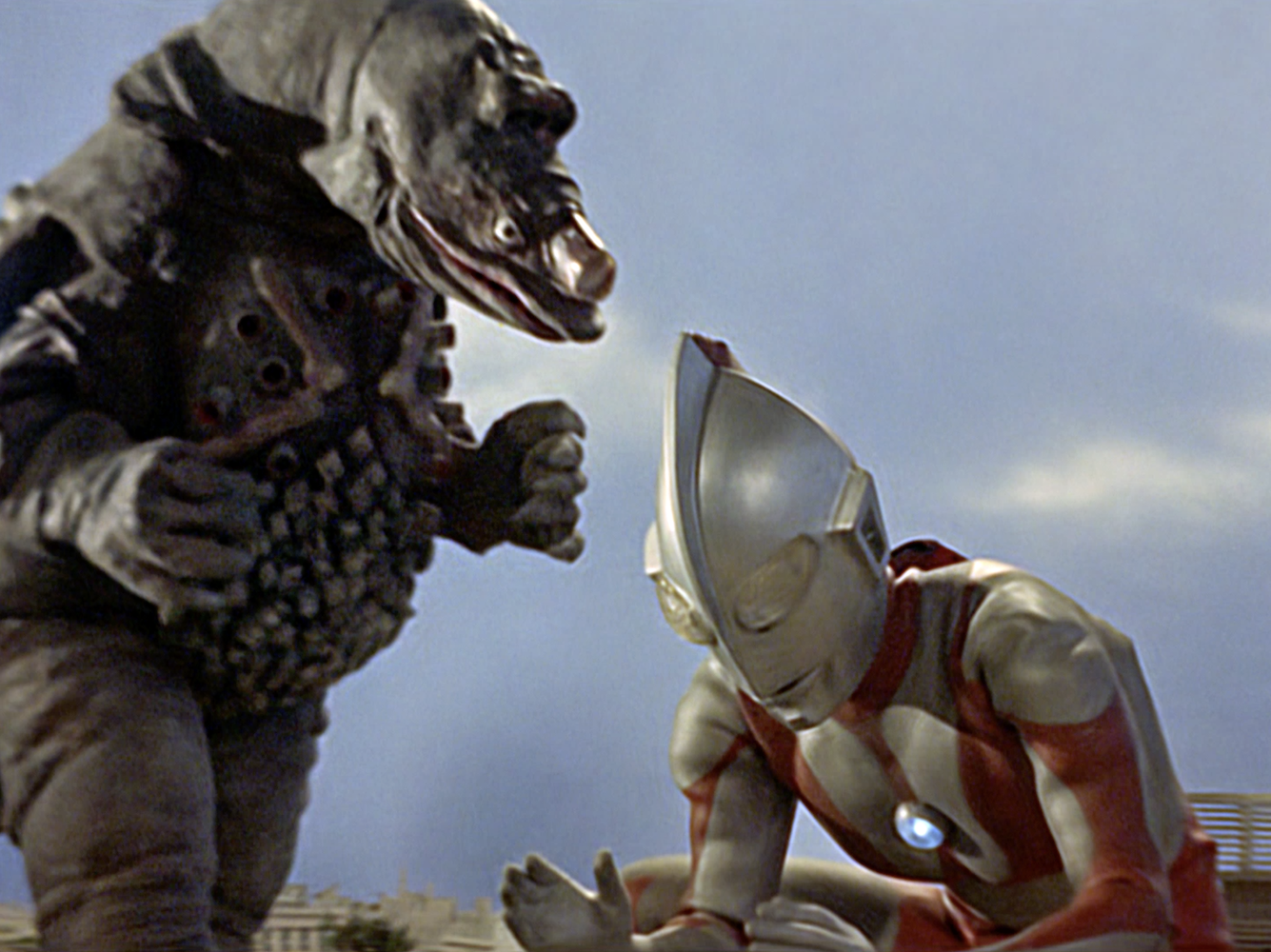
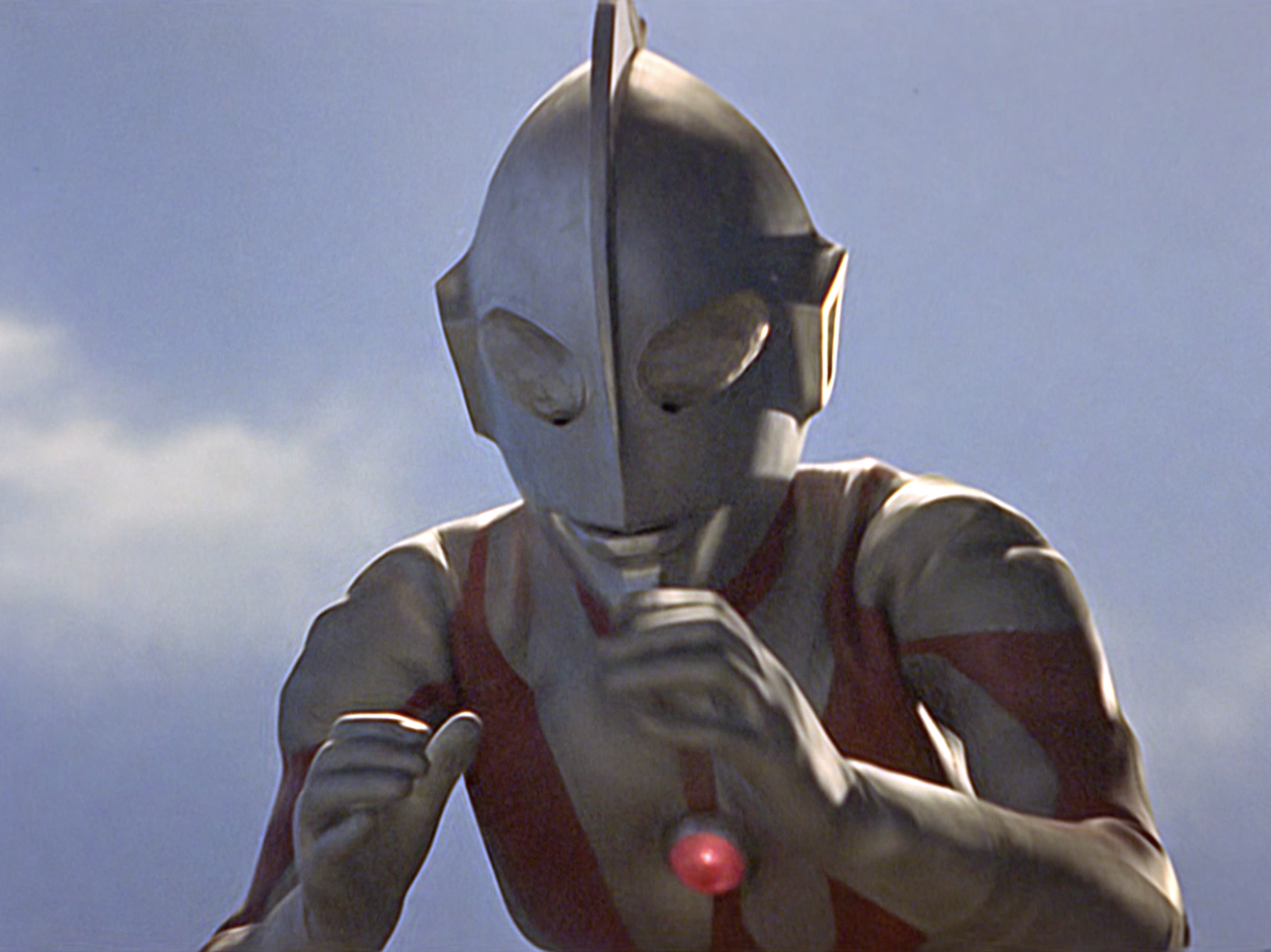
At this point in the episode, I could imagine the story finding a way to have a finale that doesn’t involve Ultraman at all. The pieces in play are enough for an outcome where it’s just the Science Patrol trying to solve the Zaragas problem while Arashi goes rogue. But this is a show called Ultraman, after all, so Hayata is going to transform and face the monster. I can’t complain about the actual results. With Ultraman temporarily blinded by Zaragas’s powers and Arashi flying the Jet VTOL into combat in direct violation of orders, the climax is flat-out terrific.
The episode unintentionally spotlights Hayata as the least interesting member of the SSSP. He’s blinded after one of Zaragas’s attacks, but when Arashi comes to visit Hayata in the hospital, he only gives a little time to his Science Patrol companion and instead talks to the blinded children. There’s just not that much for Arashi to say to Hayata. We see the rest of the SSSP as a team grappling with the difficult situation they’re in, but Hayata always seems outside of it. Fuji feels like a stronger member of the defense team dynamic than Hayata, even though she doesn’t have much to do in the episode.
Zaragas isn’t the focus of the story, but it’s an interesting kaiju because it predicts the future development of the choju (“super beasts,” a.k.a. “terrible-monsters”) in Ultraman Ace. Choju are genetically engineered mutants equipped with a barrage of non-organic weaponry. Zaragas feels like a dry run for the concept: less like a natural monster and more like an artificially created weapon. Zaragas’s initial appearance, cracking through the concrete dome over a children’s center, resembles the “sky-shatter” effect that introduces each choju in Ultraman Ace. This makes me wonder if Zaragas was one of the inspirations for the choju. We don’t find out much about where Zaragas comes from, but the strength of the episode’s drama and action make this a minor issue. Zaragas works as the deadly adversary the rest of the story needs.
“Don’t Shoot, Arashi!” doesn’t hit the high point of several of the other character-driven episodes, but this deep into Ultraman’s run it’s clear the creative team and cast have a firm understanding of the characters and the show’s style. Everything is clicking now — the greatness feels effortless.
Rating: Great
Previous: The Monster Graveyard
Next: A Little Hero
 The Ultra Project