
Directed by Toshitsugu Suzuki. Written by Tesuo Kinjo. Airdate Feb. 26, 1967.
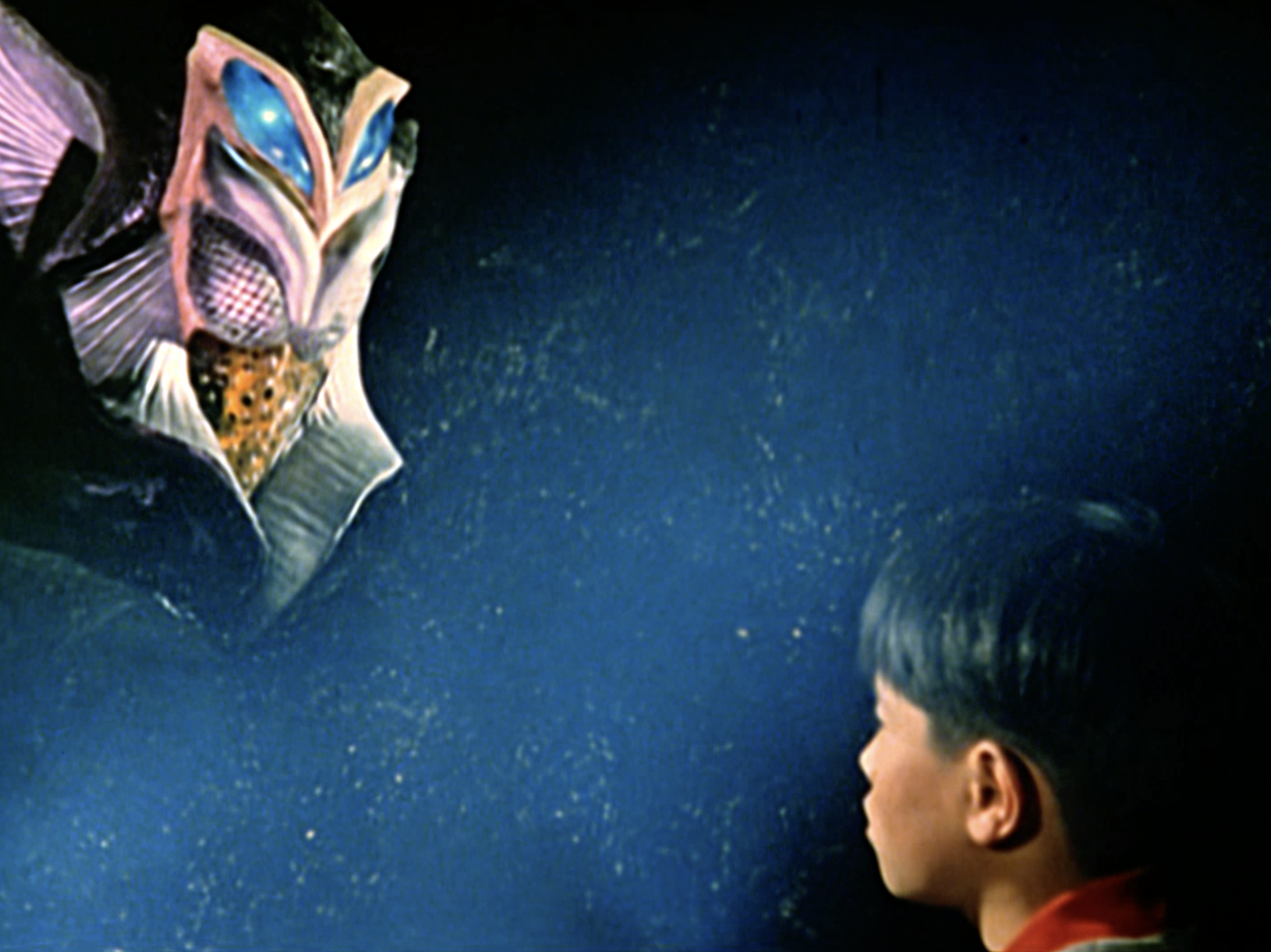
Meet the third of the great trio of Ultraman alien villains: Alien Mefilas. Not as famous as Alien Baltan. Not as tricky as Alien Zarab. But he’s the top of the heap: a baddie who’s the Ultra Universe’s hybrid of Mister Mxyzptlk and Galactus. He’s here to play word games, tempt humans with power, and crush the spirit of an entire planet — and brute force may not be enough to stop him.
Mefilas is the most psychologically fascinating alien invader so far. He doesn’t send a fleet of ships to attack Earth or use a giant monster. He does grow into a giant at the end, but even his kaiju-sized confrontation with Ultraman is unusual. Mefilas has a unique approach to invasion: he doesn’t want basic conquest; he wants to destroy the human spirit. Like his namesake, Mephistopheles from the Faust legend, Mefilas is a tempter. To win, he must have a human willingly hand over their soul — or in this case, hand over their planet.
Early in the episode, after demonstrating his power by floating a cargo vessel and causing it to explode, Mefilas kidnaps Hayata, Fuji, and Fuji’s younger brother Satoru (Katsuaki Kawada). Mefilas knows Hayata is Ultraman and paralyzes him before he can transform. He turns Fuji into an Ultraman-sized giant and sends her into the city to distract the rest of the Science Patrol.
Giant Fuji is a highlight. It’s certainly not something anyone will forget, and it puts the rest of the SSSP in a tough position because they don’t want to harm their comrade. We haven’t seen a giant human since Ultra Q’s “Metamorphosis,” and the VFX team have gotten even better at executing the optical trickery to put giant Fuji in the same frame as the other actors. As a bonus fright, Mefilas creates illusions of three earlier sentient aliens: Alien Baltan, Alien Zarab, and Alien Kemur. The SSSP recognizes Alien Kemur, again suggesting this is the same reality as Ultra Q.
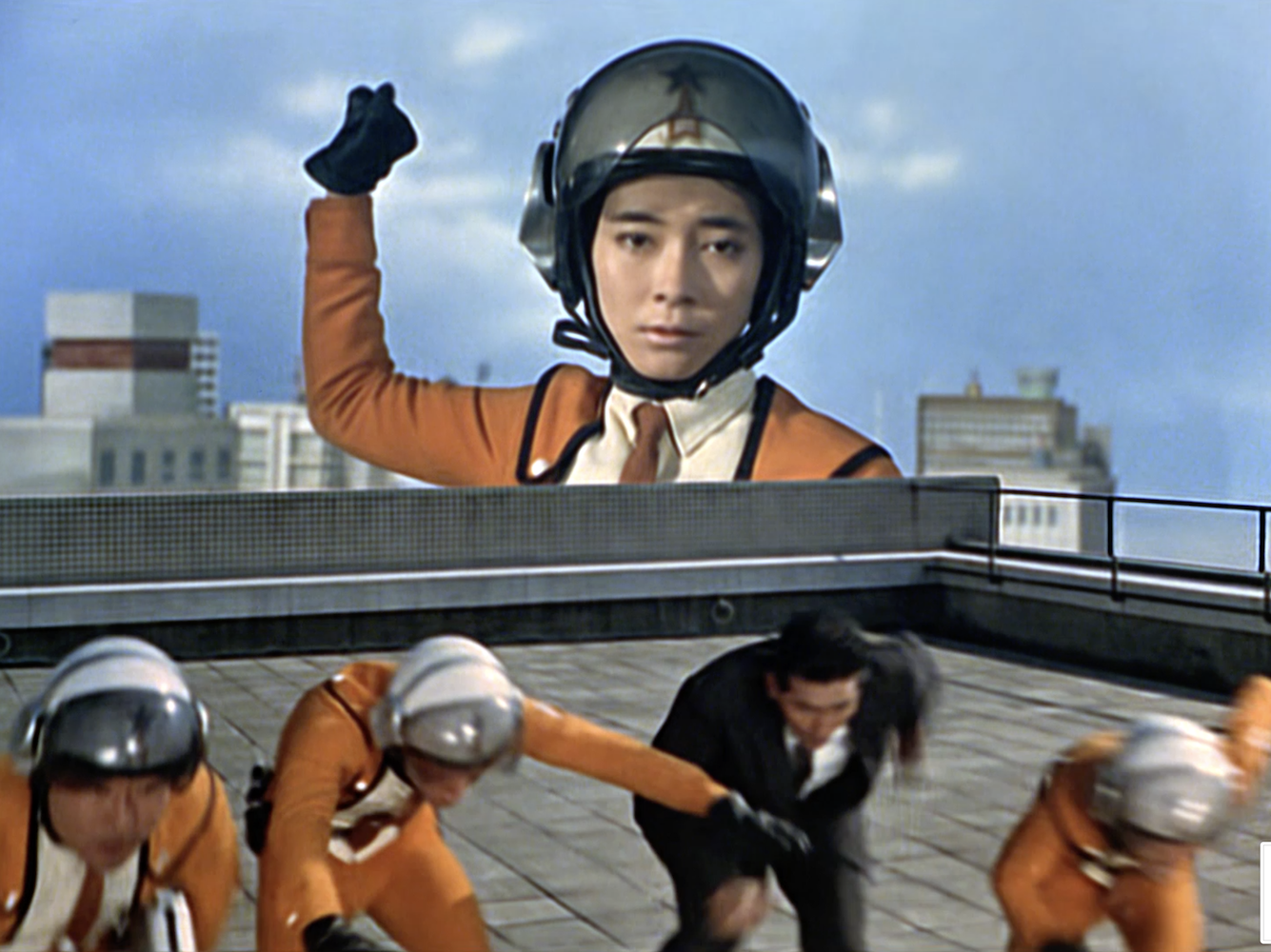
Fun as all this giant Fuji and guest aliens business is, they’re only distractions by Mefilas while he works on his real target: young Satoru.
Mefilas says he detests violence. This is obviously a lie since he destroys several planes, a cargo tanker, and has giant Fuji smash buildings. Yet he claims it’s against his principles to take the Earth by force. Instead, he must receive permission from an Earthling. This is similar to the vampire weakness of not being able to enter a house unless invited. Mefilas needs a human to say these words: “I will give you the Earth.” Specifically, he wants the imprisoned Satoru to speak these words. In exchange for the surrender, Mefilas promises the boy immortality and the rule of Earth.
We could argue that Mefilas’s self-restriction doesn’t make much sense. To seize the planet, he only needs one person on Earth to utter a few words? And if he can’t coerce a single child into doing it, he’ll just give up?
This may be difficult to believe on paper, but on screen it works. The same way a demon tortures a young girl to mock humanity in The Exorcist, Mefilas must break the spirit of a child as a stand-in for the human spirit. Thanks to Tetsuo Kinjo’s script and Seizo Kato’s vocal performance as Mefilas, what might have come across as contrived ends up having grave reality. It’s a powerful psychological twist on an alien invasion scenario.
If actor Akihide Tsuzawa hadn’t left the show because of an injury, Hoshino would likely have been the child at the center of Mefilas’s plot. However, I don’t think Hoshino would have worked as well as the newly created character of Satoru. By his final appearances, Hoshino had developed confidence and calm. He’d never for a second consider surrendering to Mefilas. With Satoru, a younger child without Hoshino’s history of hanging out with a kaiju-battling team, the tension is greater. Satoru might give in. The temptations that Mefilas dangles before him and the threats he makes could break the boy. If they don’t, the human triumph will be that much greater.
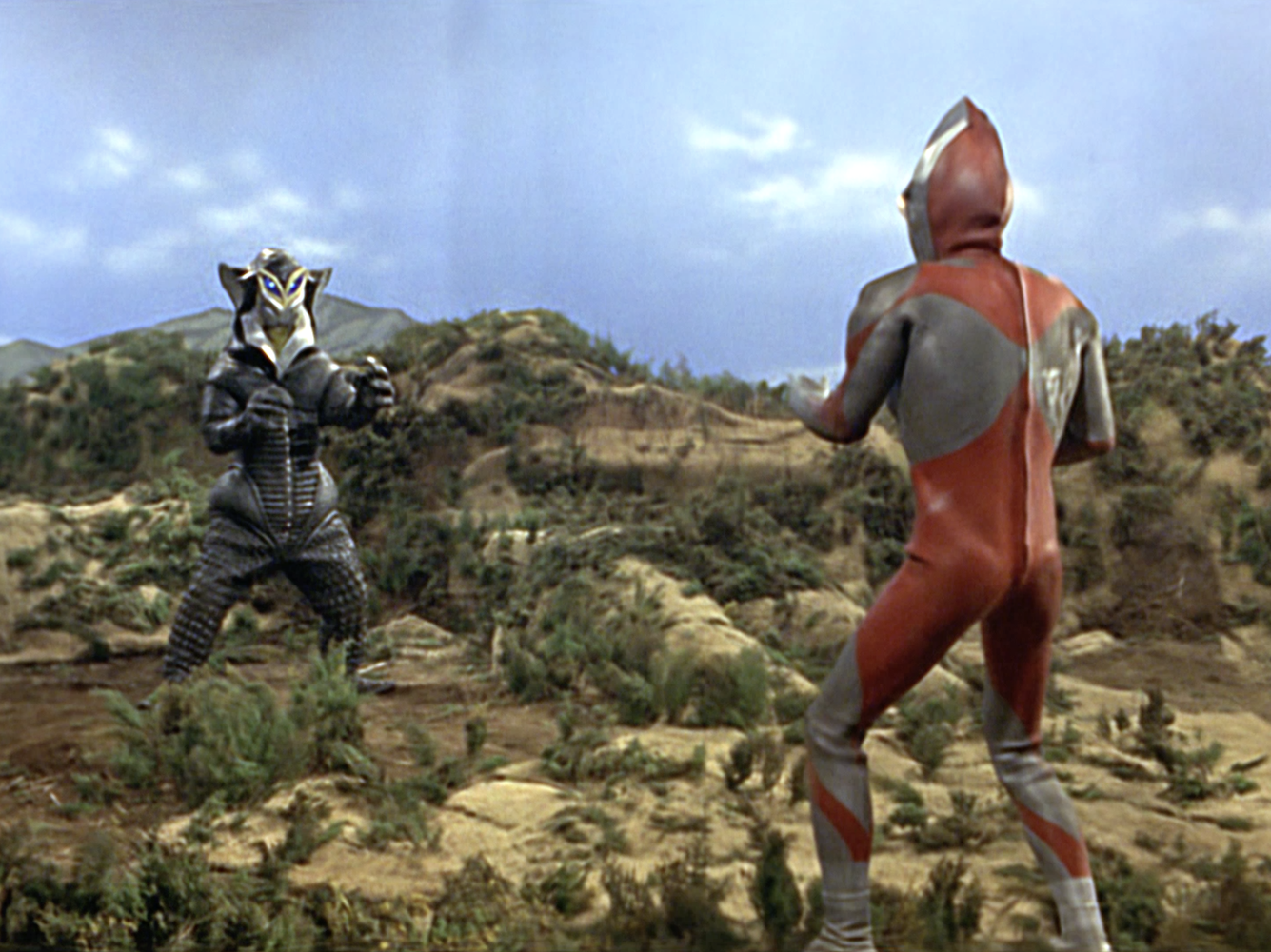
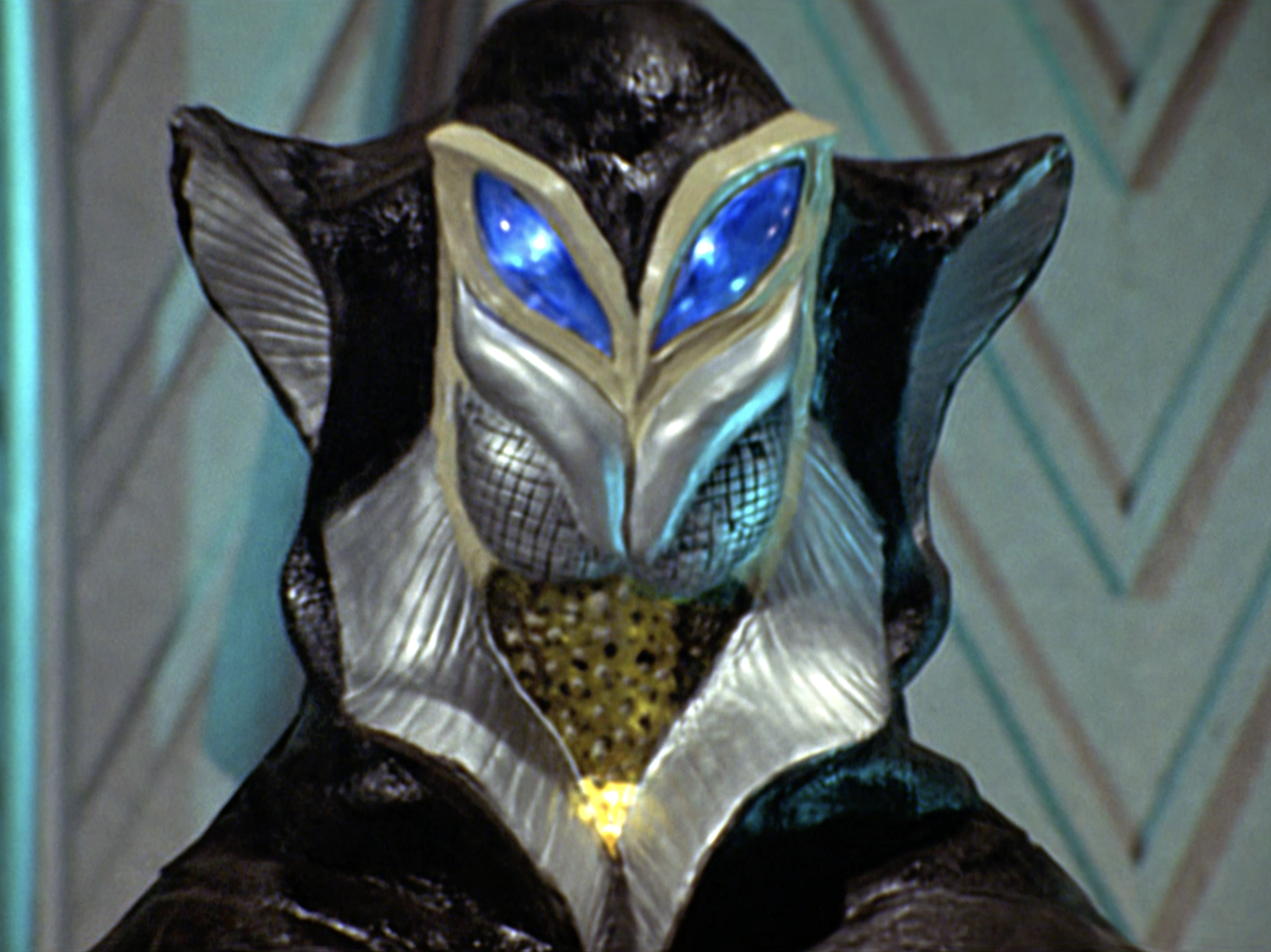
Mefilas has a marvelous design that’s sinister and devilish without being too overt. But Kato’s voice performance is what really sells the alien as a dangerous trickster with an odd sense of humor (just look what he did to Fuji) and who might be able to shatter Satoru’s defiance. Kato’s deep laugh is fantastic, almost as good as Alien Baltan’s.
The episode concludes in one of the most noteworthy fights in the show. It’s short, with only a few physical grapples. Most of the time, Ultraman and Mefilas circle each other like gunfighters in a Sergio Leone movie, each respecting the power of the other. The outcome is unexpected but also the perfect ending.
The optimistic theme of “The Forbidden Words” is that the human spirit will never surrender. Similar to the classic Gothic novel Melmoth the Wanderer by Charles Maturin, where a cursed man can never find a human who will surrender their eternal soul to him, Mefilas can find no one who will say the words that will give him the planet. As Hayata says to the alien, “No human will be willing to hand over the Earth.” Even a child. Especially a child.
“The Forbidden Words” is one of Ultraman’s best episodes and a reference point for future shows. It would be memorable for Kaiju Fuji alone, but it’s a credit to everyone who worked on it that so much else stands out and continues to influence the Ultra Series.
Mefilas has reappeared several times as a major foe, although he’s never been as effective as this first outing. Honestly, that’s true of Galactus as well, so they have company in the club of cosmic villains who peaked early.
Rating: Classic
Previous: Endless Counterattack
Next: A Gift From the Sky
 The Ultra Project