Directed by Yuichi Abe. Written by Keiichi Hasegawa. Airdate July 10, 2013.
The New Generations Heroes era boldly begins … with a girl stuck in a runaway baby carriage. It looks like a low-budget 2000s Nickelodeon show. It feels like one too. This is a bad omen for what’s ahead.
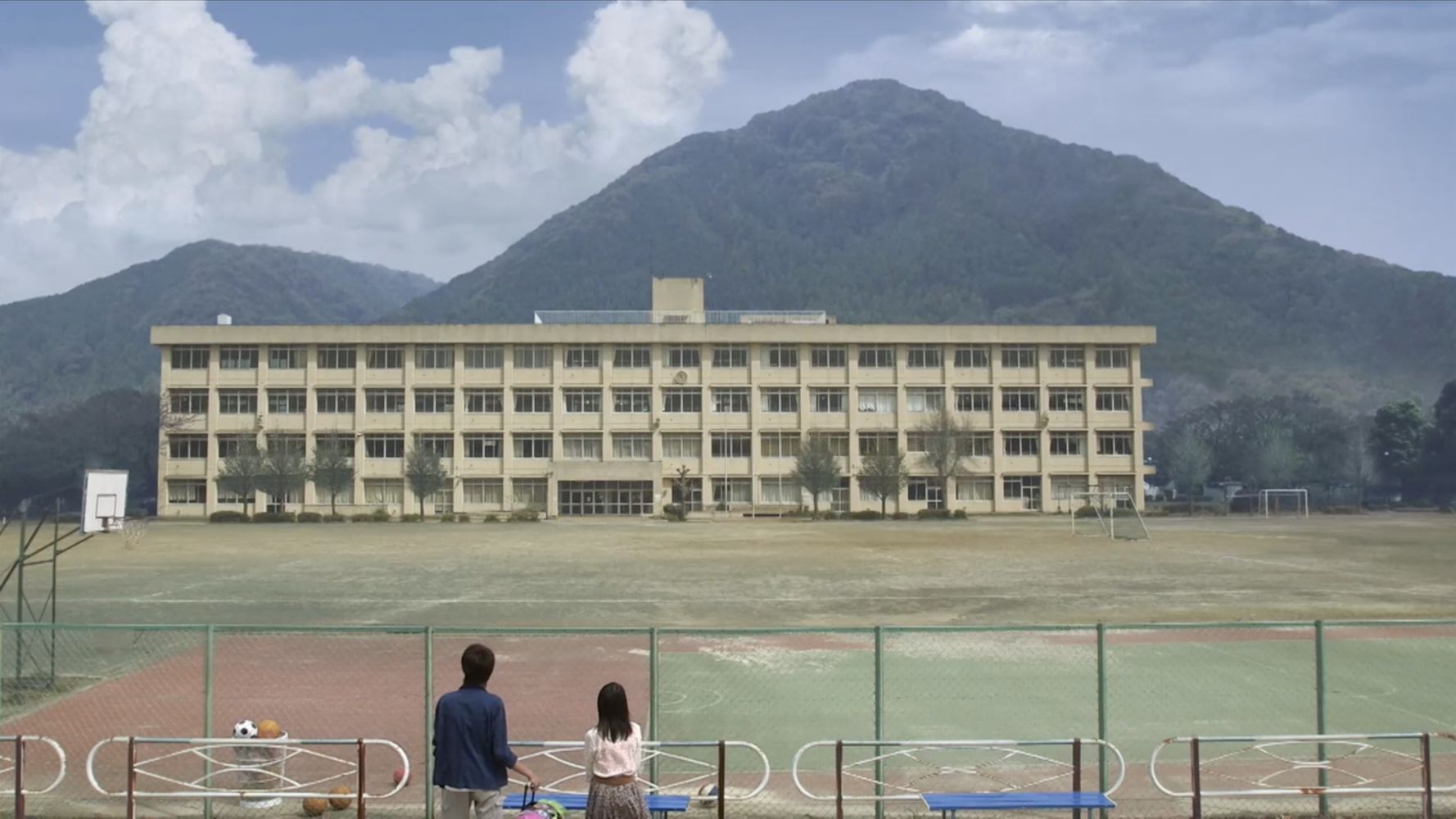
Seventeen-year-old Hikaru Raido (Takuya Negishi) has returned to Japan after seven years traveling with his rock-star parents. He believes something is drawing him back to his hometown, where his grandfather guards a shrine. Hikaru immediately runs into his school friend Misuzu Isurugi (Mio Miyatake) in the ridiculous baby carriage incident. Misuzu takes him to the new location of the shrine: Furuhoshi Elementary School, i.e. an empty building and the fields and mountain forest around it where the rest of the show will take place.
As Misuzu explains, the Ginga Shrine was moved into the shutdown elementary school after the original shrine was destroyed when a meteorite fell on the mountain. Hikaru’s grandfather Hotsuma (Masahiko Tsugawa) still maintains the shrine and guards its surviving sacred icon. Misuzu has taken a summer job as a shrine maiden. The only other person at the school is Kyoko Shirai (Hana Kino), the school’s former principal, who allowed Hotsuma to move the shrine into the music room.
Two more of Hikaru’s friends, Chigusa (single-named actress Kiara) and Kenta (Mizukui Ohno), show up at the school for a happy reunion and some fun kicking around a football. (i.e. a soccer ball. I’m calling it a football because I have a large international readership — olá, meus leitores brasileiros!). Everything is set for a light teen coming-of-age comedy-drama. The pieces are in place, and the tone is right.
Oh, wait. This is actually an Ultraman show. We gotta get to that stuff. And we have a toy line to sell. Okay, settle in.
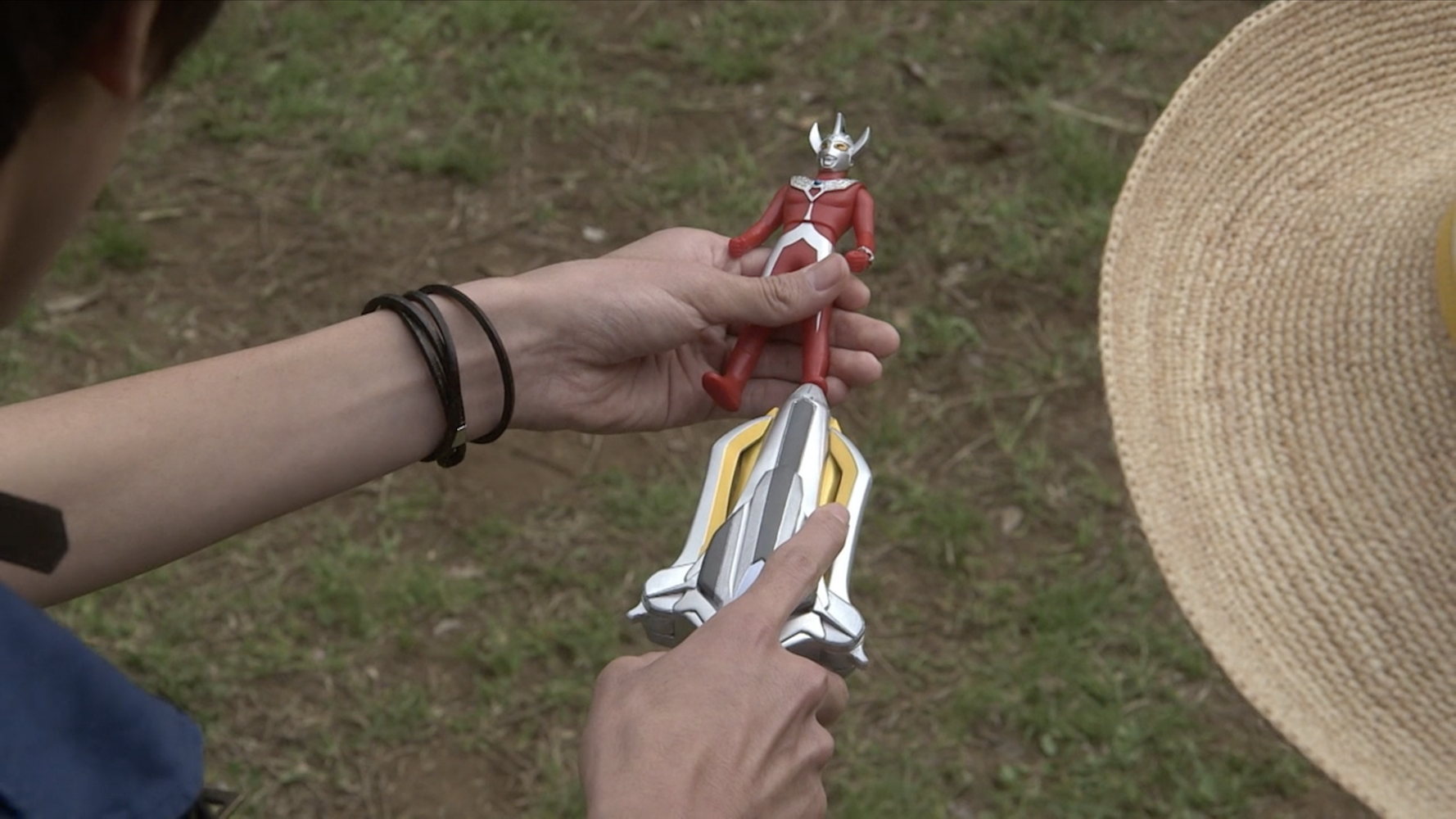
You see, Hikaru is … The Chosen One! His visions draw him to the icon of the shrine: a device called the Ultra Spark that allows him to turn into Ultraman Ginga. As Ginga, he must resume the battle against Dark Lugiel, the evil being who has turned all the Ultra warriors and kaiju into inanimate dolls and scattered them around the mountain. Ultraman Taro, in doll form, offers to help guide Hikaru. At first, Hikaru resists listening to Taro because he sensibly doesn’t want to take instruction from a talking three-inch Bandai toy.
You can see what’s happening here: the Spark Dolls are a blatant insertion of a merchandise line into the story. A large part of the arc of the series is collecting literal toys. Dark Lugiel’s sinister chamber is already filled with shelves of these dolls that he can materialize using his own device, the Dark Spark. He should’ve included price tags to make the look complete.
The point of the episode — aside from getting characters in place and rolling out exposition — is to have Hikaru accept the Ginga Spark and transform into Ultraman Ginga so he can take up the fight against Dark Lugiel. But to become Ginga, Hikaru must learn to “pursue his dreams” or something like that. He can also use the Ginga Spark to “Utlive” kaiju figures and temporarily control them, giving the show an excuse to cram in whatever guest monsters have pre-existing suits lying around.
Everything feels slapdash, like the creative team is simply trying to crash through the episode as fast as possible so they can do something more interesting eventually. This is a curse that falls on many first Ultra episodes, and it’s especially acute on a show that was shot in a rush for almost no money.
The climactic kaiju fight doesn’t salvage anything. It takes place in a field against a beige sky backdrop that looks unlike anything else in the episode. Unfortunately, we’ll see this boring field many, many times. The fight itself is brief and leaves no impression. Children who have never seen an Ultra show might find this enjoyable. For everyone else, it’s a file-and-forget fight.
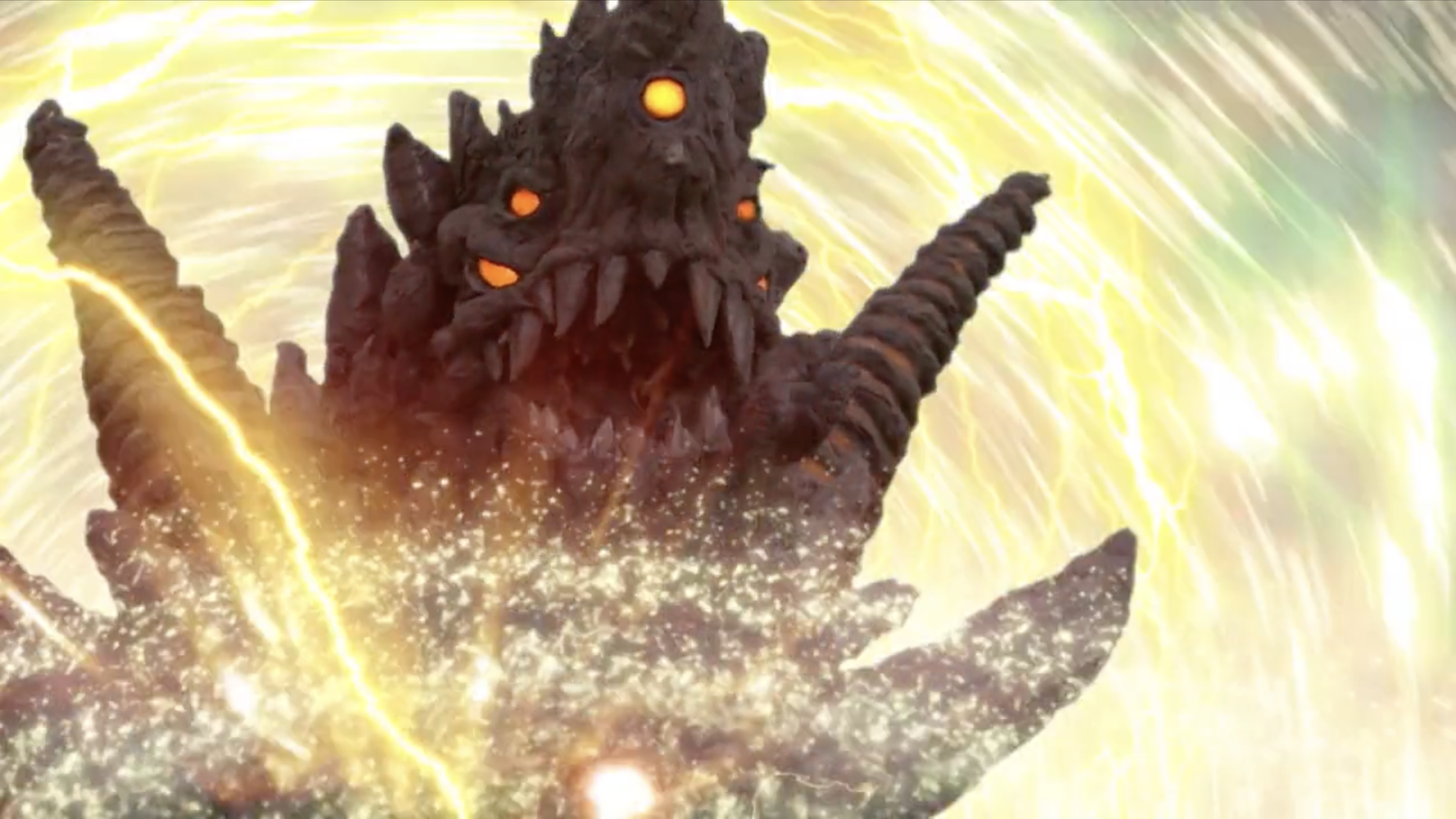
There are three returning kaiju/seijin: Alien Valky (Ultraman Taro), Darambia (Ultraman Dyna), and Black King (Return of Ultraman). You don’t need to know anything about their previous backgrounds because their identities don’t matter. They appear because reusing costumes saves money. This is a major problem with Ginga: classic kaiju pop up without setup or context to fill the monster of the week slot. Alien Valky is a bit amusing as Dark Lugiel’s prancing servant, and Darambia was a minor monster to start with. But Black King, a beloved series kaiju, is painfully wasted in a bit part when Hikaru accidentally Utlives Black King’s spark doll before he’s able to turn himself into Ginga.
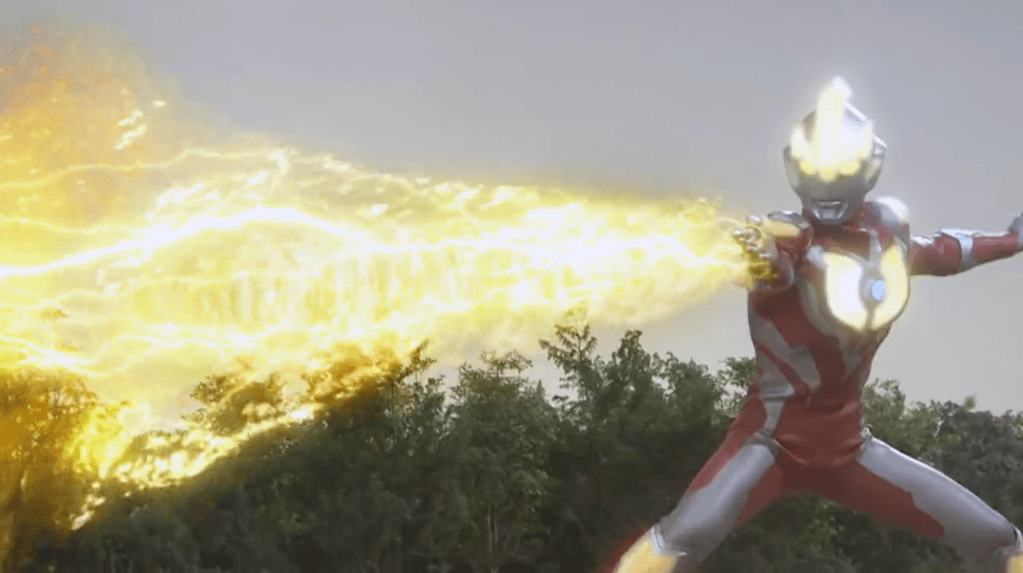
There are a few positives. The design for Ginga is striking, with a good use of illumination to make it stand out in the drab setting. Hikaru is a likable lead; going so young with the hero could’ve backfired, but actor Negishi has awkward charm. There’s chemistry between the four teen friends that feels like a different type of show trying to develop. Although the talking Ultraman Taro doll looks absurd, voice actor Hiroya Ishimaru invests him with personality. I’ve always liked Taro, so even in toy form I’ll give him some appreciation.
Otherwise, this is a flat and fumbling first episode. You’re watching a creative team navigating a stormy new world of corporate demands and budgets so slender they’d fall out of the tightest money clip. There’s sincerity but not much entertainment. From the perspective of the Showa and Heisei shows, it feels inconsequential — almost amateurish. From the perspective of the later New Gen shows, it looks blundering and cheap. There are brighter spots ahead for Ultraman Ginga, but also too many gray patches like this.
Rating: Poor
Previous: Ultraman Ginga: An Introduction
Next: A Midsummer Night’s Dream
 The Ultra Project