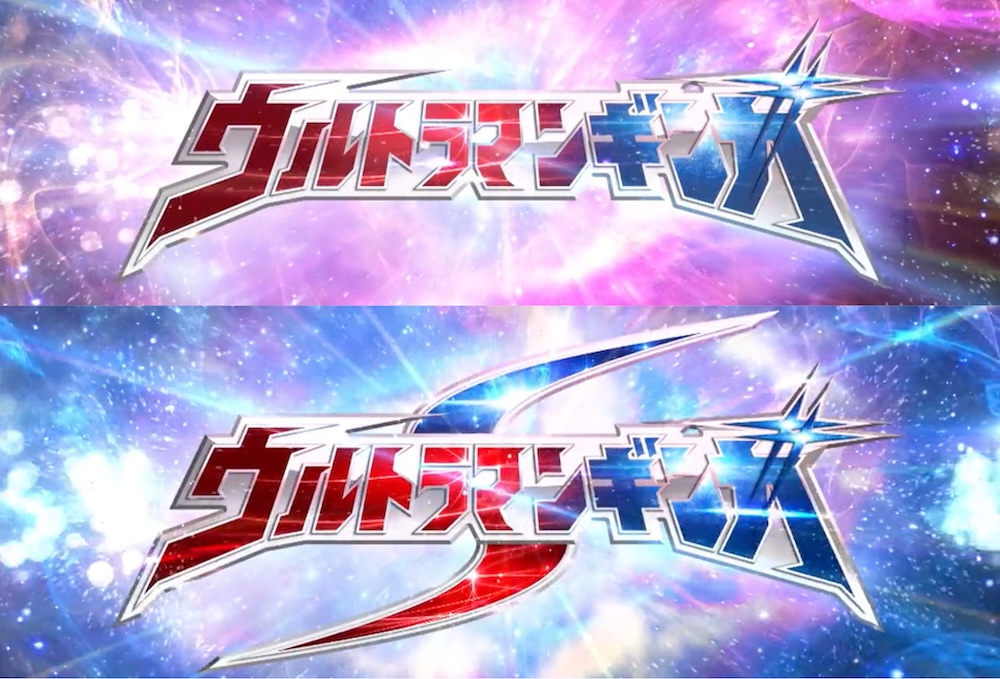
The time has come to look at the Third Era of Ultra. Following Showa and Heisei comes the “New Generation Heroes” era. It’s the epoch we’re currently in1 — and it’s a divisive one. After a disruptive shift in the ownership and operation of Tsuburaya Productions, the Ultra Series transformed into something more slick, polished, corporate, risk-averse, and very eager to sell toys. Yet the New Gen shows have garnered many new fans, and they can truly be a good time. Occasionally a great time.
How do the first shows of the New Generation Heroes era — Ultraman Ginga and its sequel/second season Ultraman Ginga S — fare?
Uh, well … let’s just say at this point that in reviewing these shows, I will do my best to be as fair as possible and keep in mind the unenviable conditions they were made under.
The Background
The corporate history leading up to Ultraman Ginga is lengthy and Byzantine. I’ll keep this section focused and brief, since I’m more interested in the creative output of the series than the business side. (For in-depth details on the business affairs of Tsuburaya Pro during the 2007–2013 period, see the Ultra Blog DX entry on Ginga.)
The short version: Although the Heisei era was filled with creative and successful Ultra shows, Tsuburaya Productions was in constant financial hardship for a web of reasons. In 2007, to avoid bankruptcy, the Tsuburaya family sold majority shares in the company to TYO, a Japanese media company. This ended Tsuburaya as an independent company. In 2010, after several more buyouts, Tsuburaya Pro was under the control of Bandai Namco, a toy company with a long history of sponsorships with Tsuburaya, and Fields Corporation, a manufacturer of pachinko and other game machines.
During the period of buyouts and changes in operations, Tsuburaya Pro kept the franchise afloat with shows like Ultra Galaxy Mega Monster Battle, Neo Ultra Q, and movies featuring the character Ultraman Zero. A clip-show program, Ultraman Retsuden, kept Ultraman in the public eye and familiarized children with the classic heroes and monsters.
In 2013, it was finally time to get a full new Ultraman show on television. It would be the testing ground for the new committee system that oversaw Tsuburaya Productions’ creative endeavors.
See Ultraman on ¥800 an Episode!
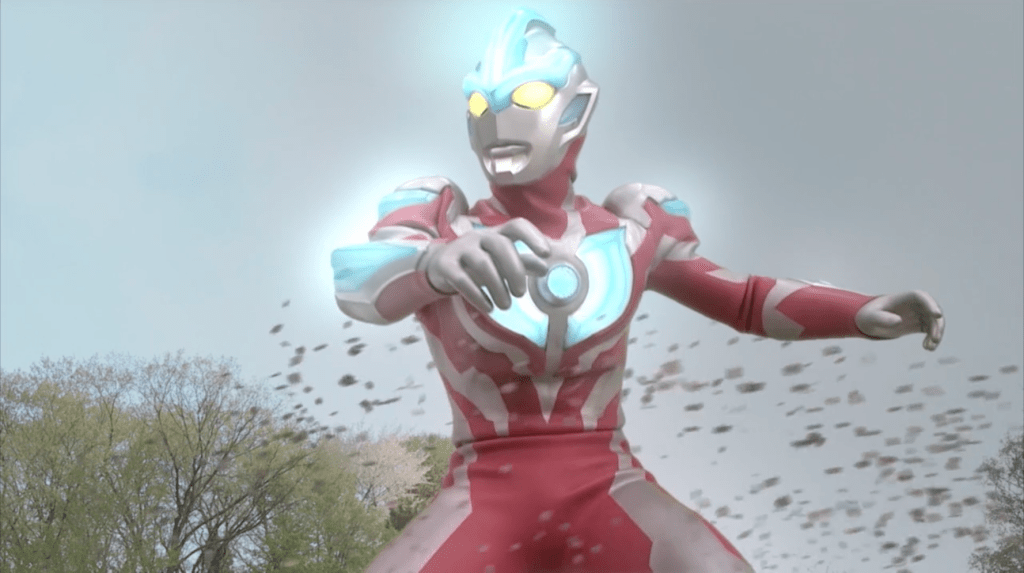
Tsuburaya Pro had to make the new show quickly on a noodle-thin budget equivalent to what the company had spent on their straight-to-video specials. The program had to appeal to a wide audience, but primarily grab child viewers who would buy the Bandai toys. After considering a sequel show to Ultraman Gaia, Tsuburaya Pro’s creative team settled on a premise about high school students. The show could mostly take place in an empty school building and a nearby forested mountain, something to match the low budget. The new Ultra warrior would be named Ginga, which translates into English as “Galaxy.”
A major part of Ultraman Ginga was its merchandise tie-ins: actual toy dolls are a significant part of the show’s overarching story. A sinister alien tyrant has turned all the Ultra warriors and kaiju into toy figures called “Spark Dolls” and sent them to Earth. The hero, Hikaru (Takuya Negishi), gains control of the Ultra Spark, the device that allows him to become Ultraman Ginga and bring to life any of the Spark Dolls, even monsters.
The Spark Dolls are product placement; there’s no way to see them as anything else. The way Hikaru brings the dolls to life with the Ginga Spark (“Utlives” them) is showing the kids in TV land how they can play with their own Spark Dolls. Press the Ginga Spark into the code on the foot of the doll, and the Ginga Spark will say its name! Buy it now! Each Ultra transformation is a drawn-out VFX sequence that repeats episode after episode, eating up screen time. These tedious transformations are a New Generation Heroes tradition that everyone loathes but that return show after show after show.
I’ll give Ultraman Ginga this: the rural school setting feels refreshing at times. It gives me pleasant flashbacks to the warmth of the early episodes of Ultraman 80 set at a school. The creative team on Ultraman Ginga tried to do interesting things within the limitations forced on them. The show might have worked as a low-key drama in the franchise if the dictates of Tsuburaya’s new owners didn’t try to force Ginga into the style of a conventional Ultraman action show. The corporate masters wanted to lay a foundation for more shows and sell toys, but they didn’t give Tsuburaya Productions enough time, space, or money to make everything work together.
Still, Ultraman Ginga was a success over its brief run — 11 episodes plus a theater special — and it did what it needed to do, which was to bring Ultraman back into public consciousness. Although I don’t think any episode is a complete winner, there are fewer total duds than I remember from the first time I watched the complete show.
A Sequel, A Second Season
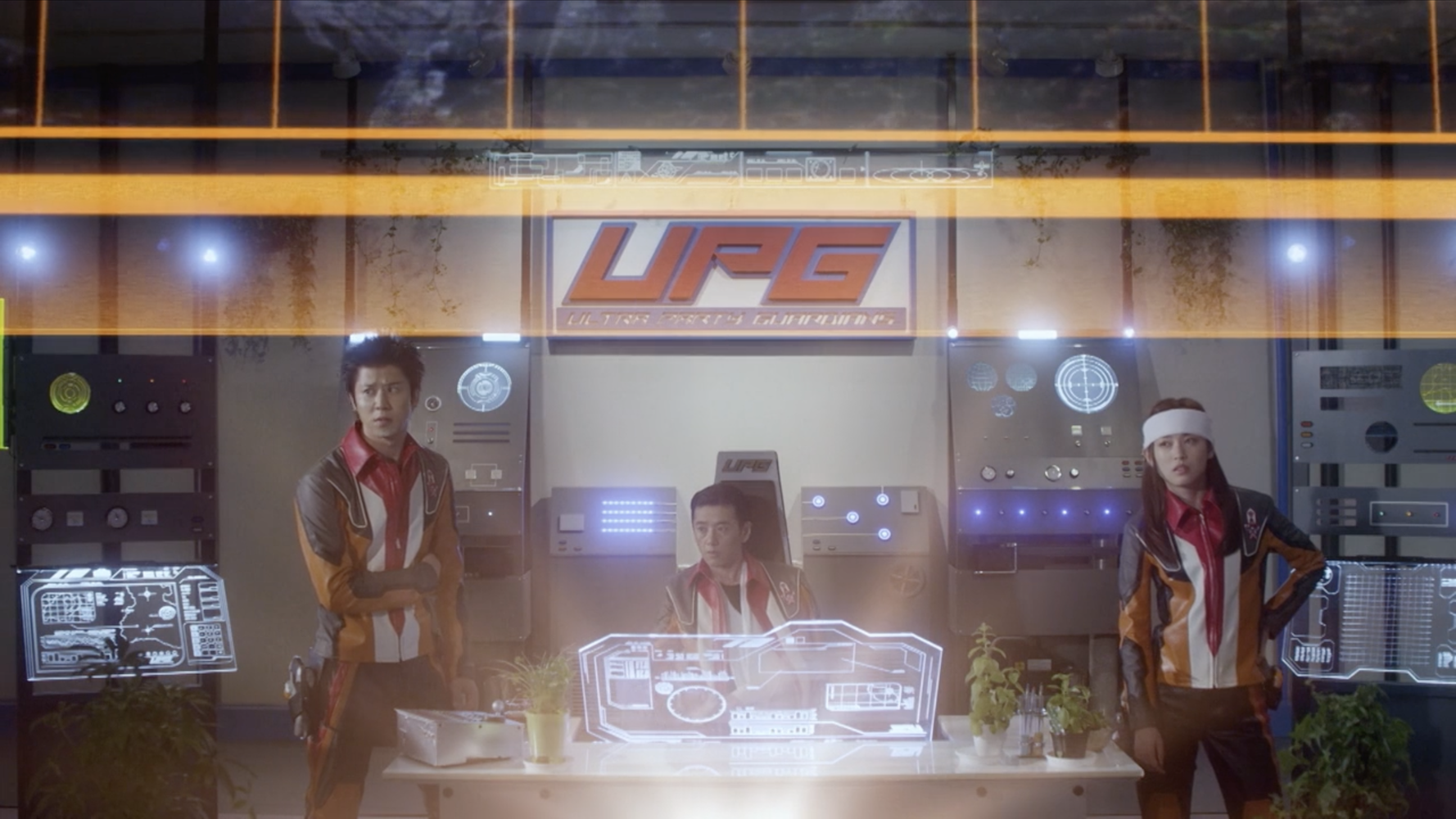
Tsuburaya Pro moved fast to use Ultraman Ginga’s momentum to get a new show into production. They chose to create a direct sequel to Ginga that would also function as a second season. Since Ultraman Ginga had wrapped up its storyline, the sequel skipped ahead two years and shifted the action to the city. Hikaru Raido joins a defense team, UPG (Ultra Party Guardians), moving the show into more familiar franchise territory.
Koichi Sakamoto was brought on to serve as the main series director, a sign that Tsuburaya Pro was serious about improving the quality of the second show. Sakamoto had directed Ultra Galaxy Mega Monster Battle: The Movie (2009), an important part of the Ultraman Zero saga, and he had worked on numerous other tokusatsu shows for other companies. His experience made production go faster, more smoothly, and with a more efficient use of resources.
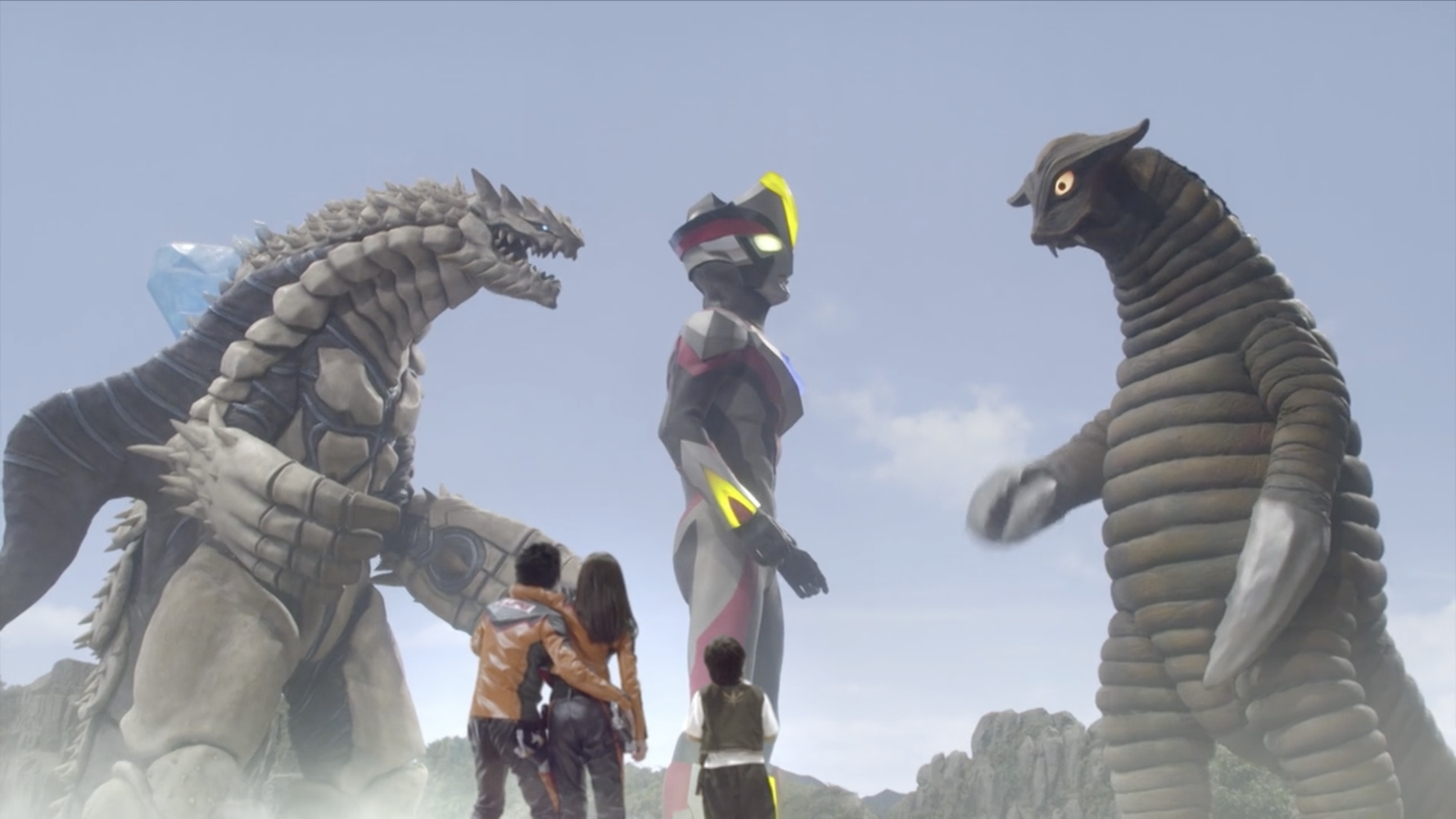
Tsuburaya’s corporate bosses were kind enough to give the production team a freer hand to steer the show. They also allocated enough money to the production to get the action out of a boring field next to an empty elementary school. The new show added a second Ultra (Ultraman Victory), an ancient subterranean civilization (The Victorians), an ally monster (Shepardon), and a martial-arts fighting android in a skimpy outfit (Android One Zero, a reference to an Ultraseven episode).
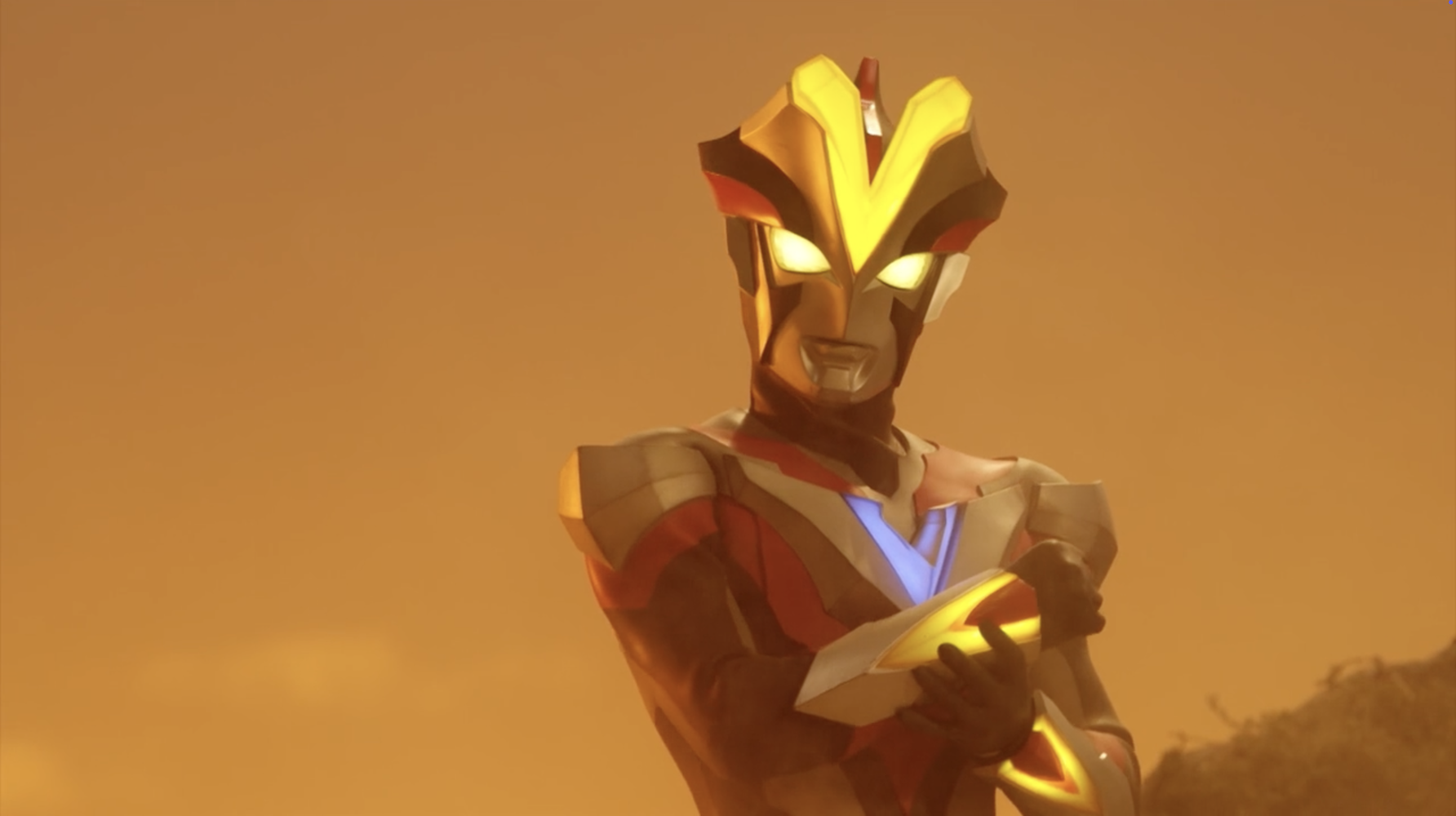
Something that didn’t change was the transparent merchandising. The Spark Dolls are still around, as are overblown transformation and power-up sequences to showcase different alt-modes and weapons to stack onto toy store shelves. Ultraman Victory was specially designed to broaden the toy line, although the show handles him and the Victorians well.
The bigger budget helped Ginga S improve over its predecessor. (The money was still tight. UPG only has three members before Hikaru joins.) The second show looks better, shot with new 4K HD cameras, and contains more sets, new monsters, and urban locations.
Ginga S does lose some of the charm of the relationships between the young characters in Ginga; I was surprised to find I missed this. UPG is minor among the defense teams, and there are several episodes that faceplant because of overblown, mindless action. However, the two most creative episodes in all of Ultraman Ginga are tucked away at the back of its 16-episode run — two episodes that show that the spirit of the best of the Showa and Heisei eras hadn’t been completely eradicated.
Ultraman Ginga S was even more successful than Ginga. The New Generation Heroes era was made official. Tsuburaya Productions was back in the Ultraman business, albeit in a mutated form, and new Ultraman shows started to roll out annually, with theatrical movies following the end of each show.
Go Forth (Hesitantly) Into the New Generation!
The two seasons of Ultraman Ginga were the first New Generation Shows I watched. My initial reaction was negative. I didn’t hate what I was seeing, but I didn’t like much of it either. It was too obvious that a corporate strategy was steering the ship, and a cheap corporate strategy at that. Ultraman Ginga was stuck in an empty field, pitching a line of toys as part of its plot. Ginga S expanded the scope with a better budget, but it still felt like a shadow of the Heisei era defense team-centered shows. Too many episodes become mired in long fight scenes lacking drama. I found the constant repetition of overlong transformation/power-up sequences especially grating. There was less space for telling the types of stories from the Showa and Heisei eras that I find most interesting.
To be fair, New Gen shows aren’t exclusively corporate hollow shells. Smart, creative people put hard work into them. The teams of writers, directors, actors, and special effects designers did the best they could with cramped shooting schedules and a stingy parent company. Even a rough testing ground like the two Ultraman Ginga shows has a few gems, such as “Gan-Q’s Tears” and “To Meet You.”
These programs can be decent entertainment, and at times they shine with special moments that recall the days when Tsuburaya was a family operation. I’ll do my best to point out these moments as I find them, while also being honest about what doesn’t work for me.
Now, let’s venture into a New Generation of Heroes and Kaiju and Corporate Masters…
Next: Town of Falling Stars
- Officially, Tsuburaya Pro calls the three eras Classical, Revival, and New Generation Heroes, because New Generation Heroes straddles two Japanese historical eras, Heisei (which ended in 2019) and Reiwa (which started immediately after). However, I’m accustomed to using Showa and Heisei, as are most fans, so even thought New Generation Heroes starts during the Heisei era, I’m going to consider it separate from Heisei. ↩︎
 The Ultra Project