Directed by Hajime Tsuburaya. Written by Tetsuo Kinjo and Bunzo Wakatsuki. Airdate Jan. 8 & 15, 1967.
The unofficial promise Ultraman makes to viewers is that it will deliver the thrills of giant monster movies in a TV-sized package. No episodes achieve this better than the first two-parter1 in Ultra Series history. “The Monster Highness” is a VFX extravaganza that introduces the most famous kaiju in the franchise and smashes the thrill button as hard as it can with kinetic fights, heavy military action, and mass-scale urban destruction. Children all over Japan were on edge after the cliffhanger of Part 1 where Ultraman suffered a true defeat, ensuring that Part 2 would become one of the most viewed episodes of any Ultra show.
“The Monster Highness” has a straightforward monster story that mirrors many Toho classics, particularly early Godzilla films before the famous monster made a hero turn. An expedition researching ancient creatures on a South Pacific island awakens a primordial beast. After an error transporting the anesthetized monster to the mainland — similar to King Kong vs. Godzilla — the monster goes on a rampage and threatens a major Japanese city. This version of the story has a heroic defender, Ultraman, but in another classic Toho move, Ultraman’s first engagement ends in a defeat, building the tension toward a bigger second clash.
The two-parter has more going on than just the kaiju plot. The Monster Highness of the title is a child who becomes the emotional center of the story without undermining the monster action.
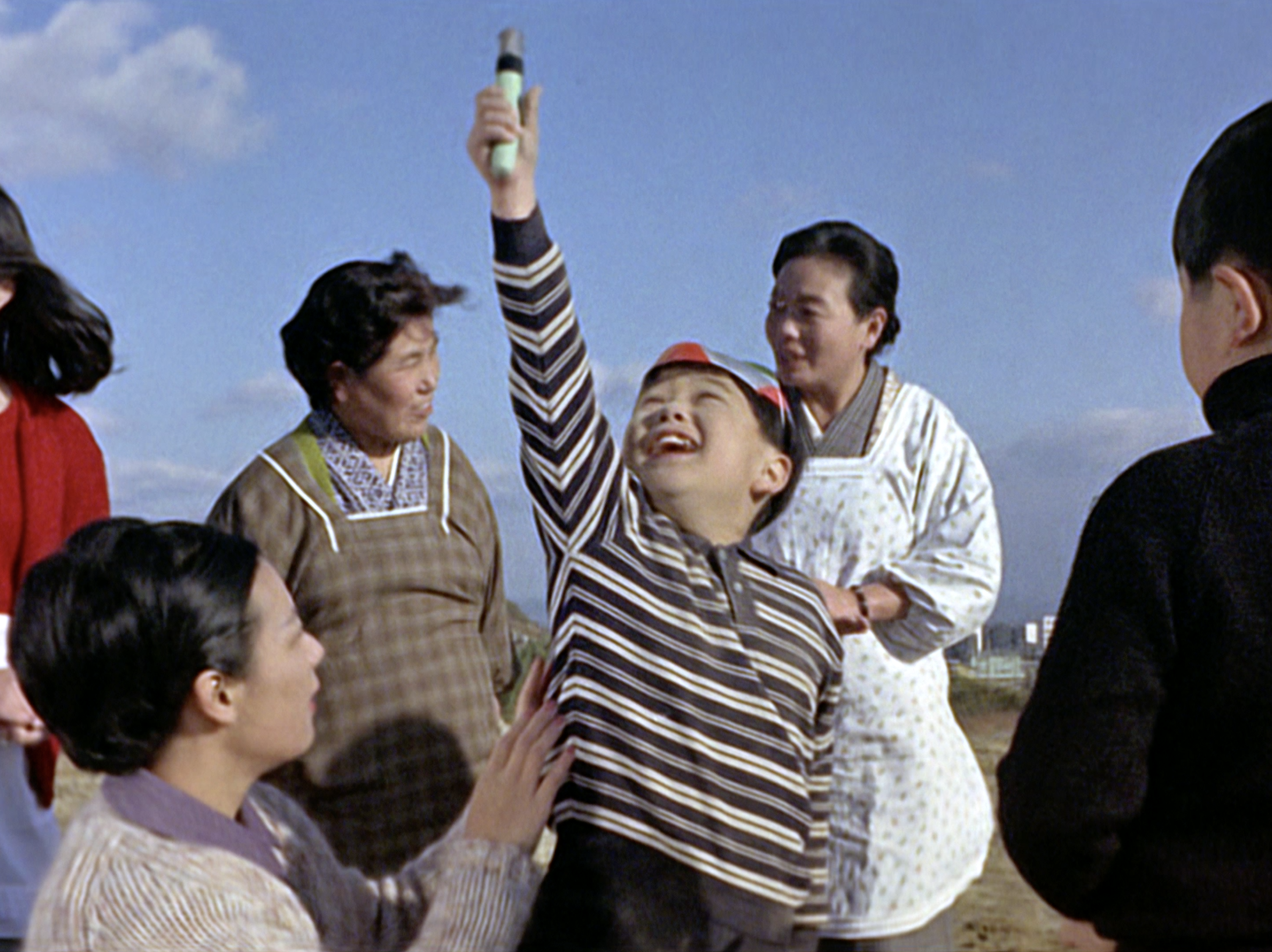
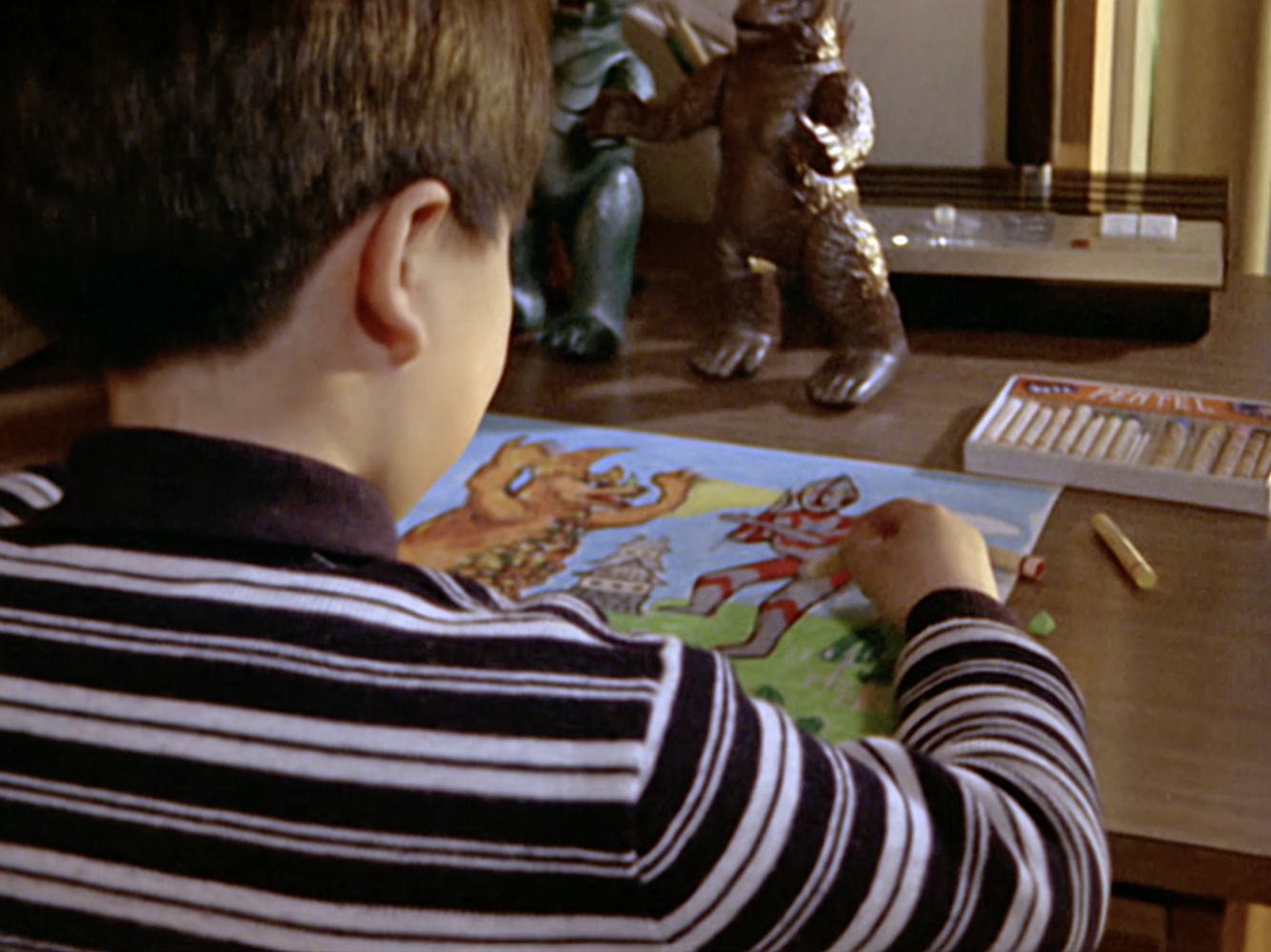
Young Osamu Suzuki (played by Chiharu Inayoshi, who returned in Ultraseven’s “The Eye That Shines in the Darkness”) is a fan of monsters, specifically the ones seen in the show. His fandom, however, has caused problems. His mother thinks his monster drawings are distracting his attention from his school subjects, and other kids tease him for believing monsters exist.
This immediately raises the question: Doesn’t this take place in the same world as the other episodes? Monsters are public knowledge and an almost weekly occurrence! The children in “Terrifying Cosmic Rays” drew pictures to celebrate their monster favorites, and they teased the one kid who didn’t share their interest. The opening of “The Monster Highness” feels like it’s taking place in our world, where Ultraman is only a television show.
This discrepancy isn’t a problem for the episodes because the mockery doesn’t last long. After the discovery of the giant monster Gomora on Johnson Island, all of Osamu’s kid critics turn into personal fans who address him as “Highness” and respect his kaiju knowledge. Maybe the script from Kinjo and Wakatsuki wanted a reset of sorts to allow a child outsider character, and it does work in that way.
Osamu is a wonderful character. He’s drawn authentically, and Inayoshi plays him with a likability that never becomes annoying. His scenes provide a grounded look at the Gomora situation, a realistic civilian’s perspective on a giant monster emergency. Plus, the kid made a Gango mask. Respect.
Osamu has a critical role in the outcome, since he finds himself in possession of the Beta Capsule after Ultraman loses it during his initial face-off with Gomora. As the final battle with Gomora escalates, Osamu must race on his own to deliver the Beta Capsule to Hayata, whom he seems to instinctively understand is the SSSP member who needs the device. It’s a great way to increase the stakes of an already high-tension spectacle of destruction.
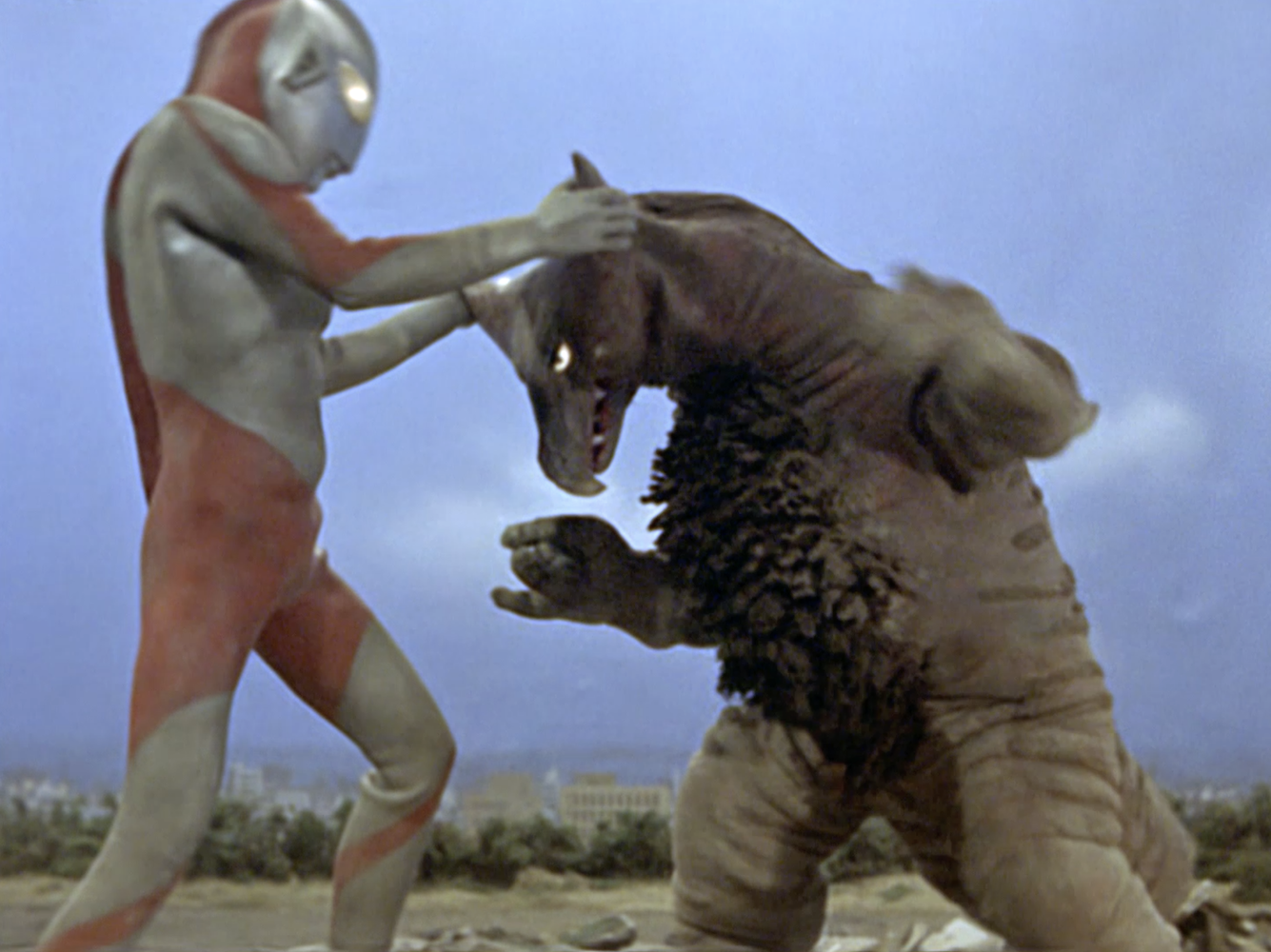
The effects team under director Koichi Takano outdo themselves. The two fights between Gomora and Ultraman are among the best in the show, filled with fast moves and big stunt work. Gomora’s rampage in Osaka is packed with all the mayhem, missiles, and explosions you want from a kaiju movie. Gomora threatens to destroy Osaka Castle — famously pounded to rubble during the Godzilla–Anguirus fight in Godzilla Raids Again — and the Science Patrol and the JSDF put up a valiant attack to protect the national landmark. It’s superlative work from the Tsuburaya team, and it gives the SSSP trio of Arashi, Ide, and Hayata plenty to do as they work together on the ground. Arashi is truly in his element here. (The episode includes the most Arashi line of all time: “If we have all these weapons, we’re sure to win!” Once again, he’s wrong.)
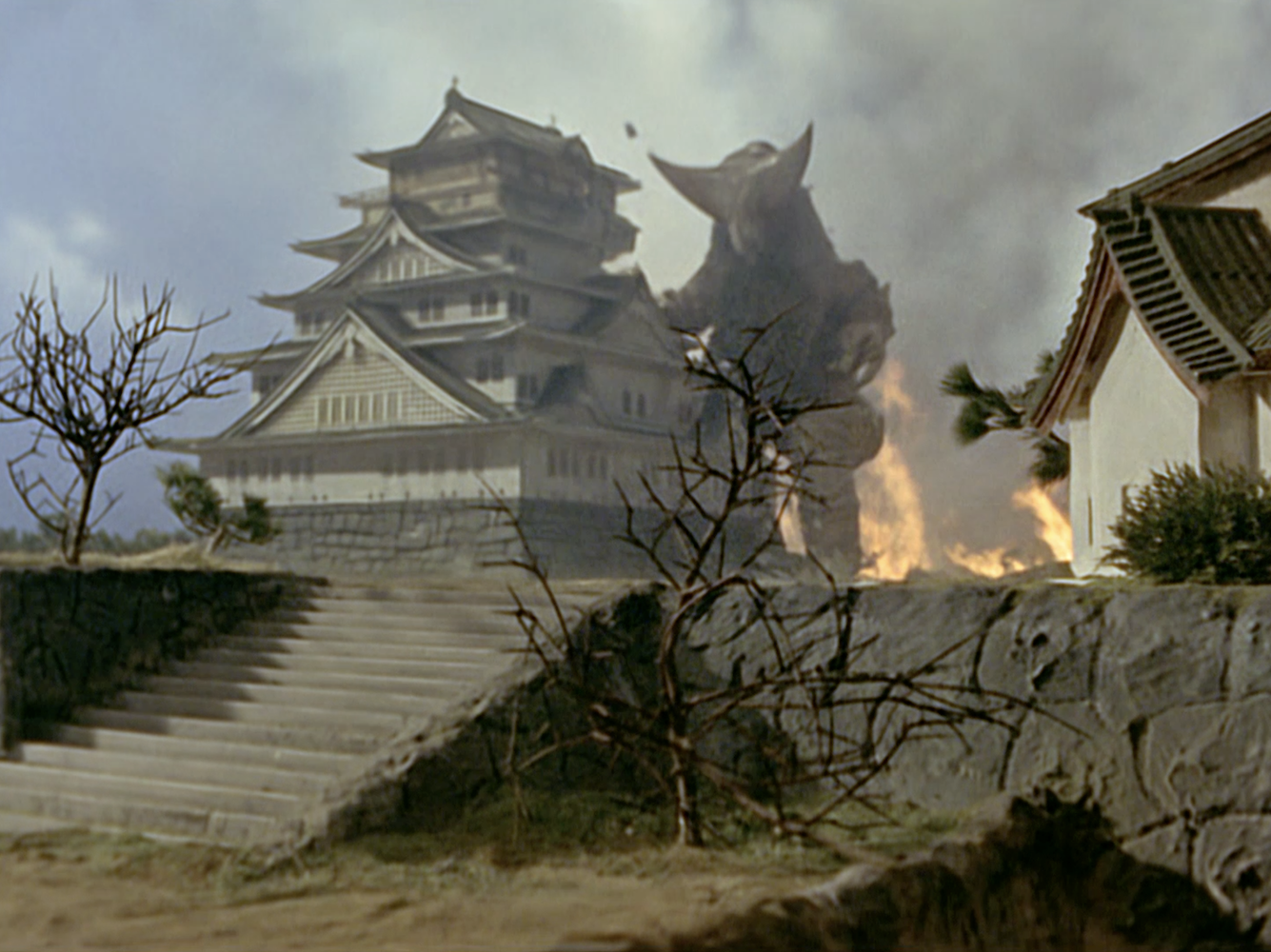
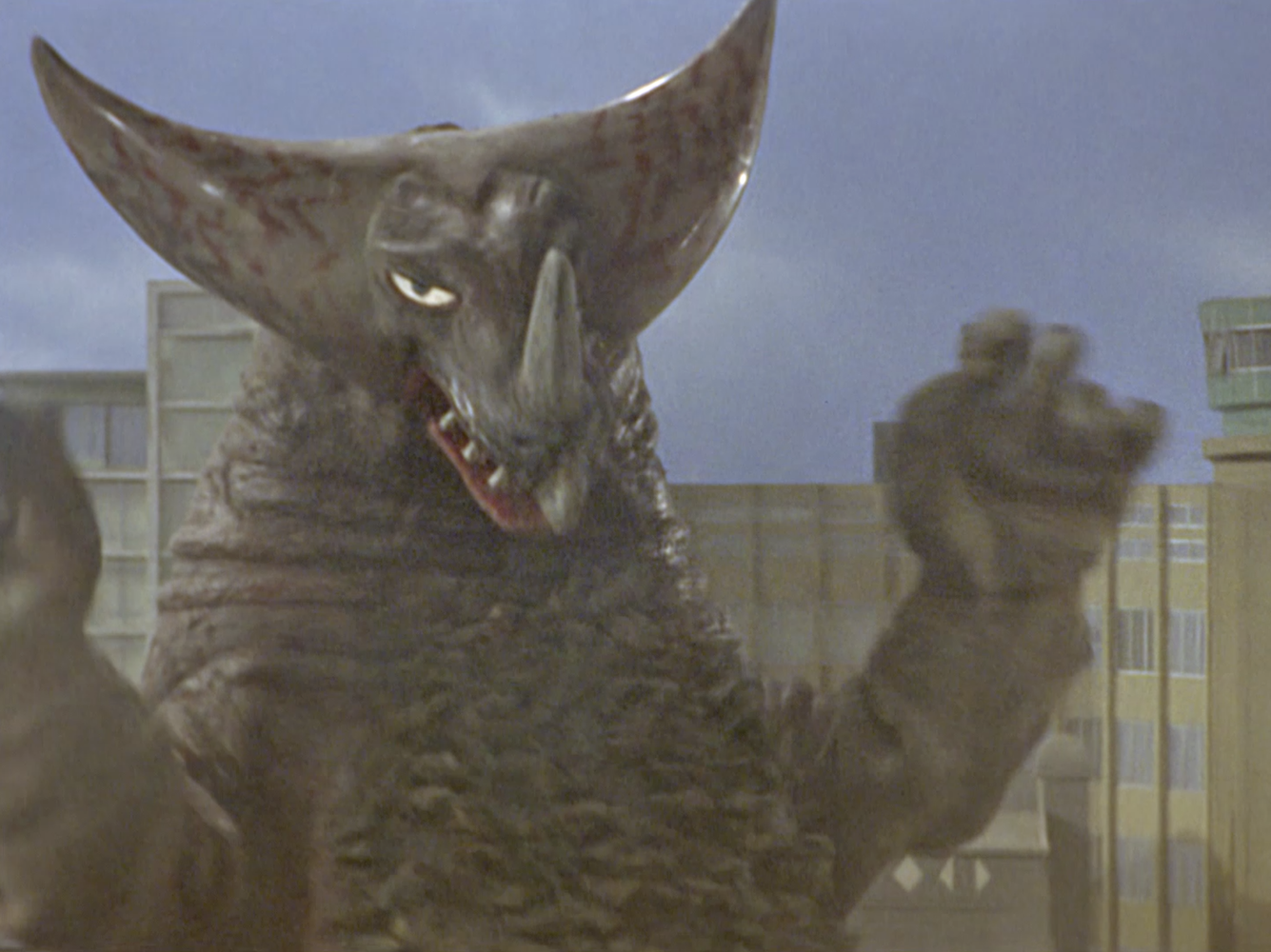
Gomora channels the Godzilla of the early 1960s. It has a design that’s the right combination of dinosaurian and anthropomorphic aspects. It’s also immensely tough and strong, giving Ultraman, the Science Patrol, and the Self-Defense Force a true nightmare scenario.
The Gomora costume is great, but stunt performer Kunio Suzuki, who recently played Red King in “Mysterious Comet Tsuifon,” deserves special notice. His Red King was bursting with villainousness, but he plays Gomora as an actual animal reacting to a strange, hostile environment.
It’s easy to root against Gomora, especially after it’s able to best Ultraman, but you don’t end up hating the kaiju. Gomora isn’t evil: it’s just big, out of place, and lashing out. Even Ide and Arashi show a level of respect for Gomora during the wrap-up. The final shot returns to Osamu, where we see his own personal tribute to Gomora (and Ultraman), and I get a bit choked up thinking about my own monster-adoring childhood.
If you need proof of the influence of “The Monster Highness,” just look at the future of its guest villain. No other Ultra monster has made so many reappearances. As of posting this review, Gomora’s most recent appearance was in last week’s episode of Ultraman Omega. It’s not just the quantity of Gomora’s episodes; it’s how the monster has followed Godzilla’s example and transformed into a beloved hero. In Ultra Galaxy Mega Monster Battle, Gomora took over the role of the Ultra warrior as the show’s main action hero. People just love this monster. That the guest kaiju of “The Monster Highness” picked up some of the adoration Godzilla enjoys says a lot about the achievement of the first ever Ultra two-parter.
Rating: Classic
Previous: Mysterious Comet Tsuifon
Next: Human Specimens 5 & 6
- I consider Ultra Q’s “Garadama” and “Garamon Strikes Back” to be the franchise’s first unofficial two-parter. ↩︎
 The Ultra Project