
Directed by Toshitsugu Suzuki. Written by Hiroyasu Yamaura. Airdate March 3, 1968.
Ultraseven shifts to science-horror with an episode mirroring the more sober stories of Ultra Q. The general mood is subdued foreboding laced with body horror. Several unusual visual choices enhance the quiet dread. It’s ambitious, and the episode almost works — but the climax veers in a different direction that emphasizes big action. The finale may not include a giant monster fight, but it still feels like a conventional wrap-up, and that doesn’t gel with a story about aliens using women’s bodies as cultures for growing their food.
The opening scene is almost pure Ultra Q, reminiscent of “The Primordial Amphibian Ragon” (except in color). A mostly unseen creature emerges from the ocean onto the beach and approaches a house where Anne’s friend Ruriko is having her birthday celebration. The creature kills a dog — off-screen, thankfully — and kidnaps Ruriko. The only clues the Ultra Guard have to investigate are strange footprints and a brief sighting of a saucer-like vehicle over the water. Ruriko is discovered later, suffering from a strange illness and with an odd spore-like growth on her arm.
The mystery that unfolds reveals the presence of an alien race, Alien Braco, that has been kidnapping women from around the world. After one of the aliens enters the Ultra Guard HQ to infect Anne and gets into a physical tussle with Dan, the TDF doctors deduce that Alien Braco must live off a type of spore it can only grow in the bodies of human women — the human farms of the title.
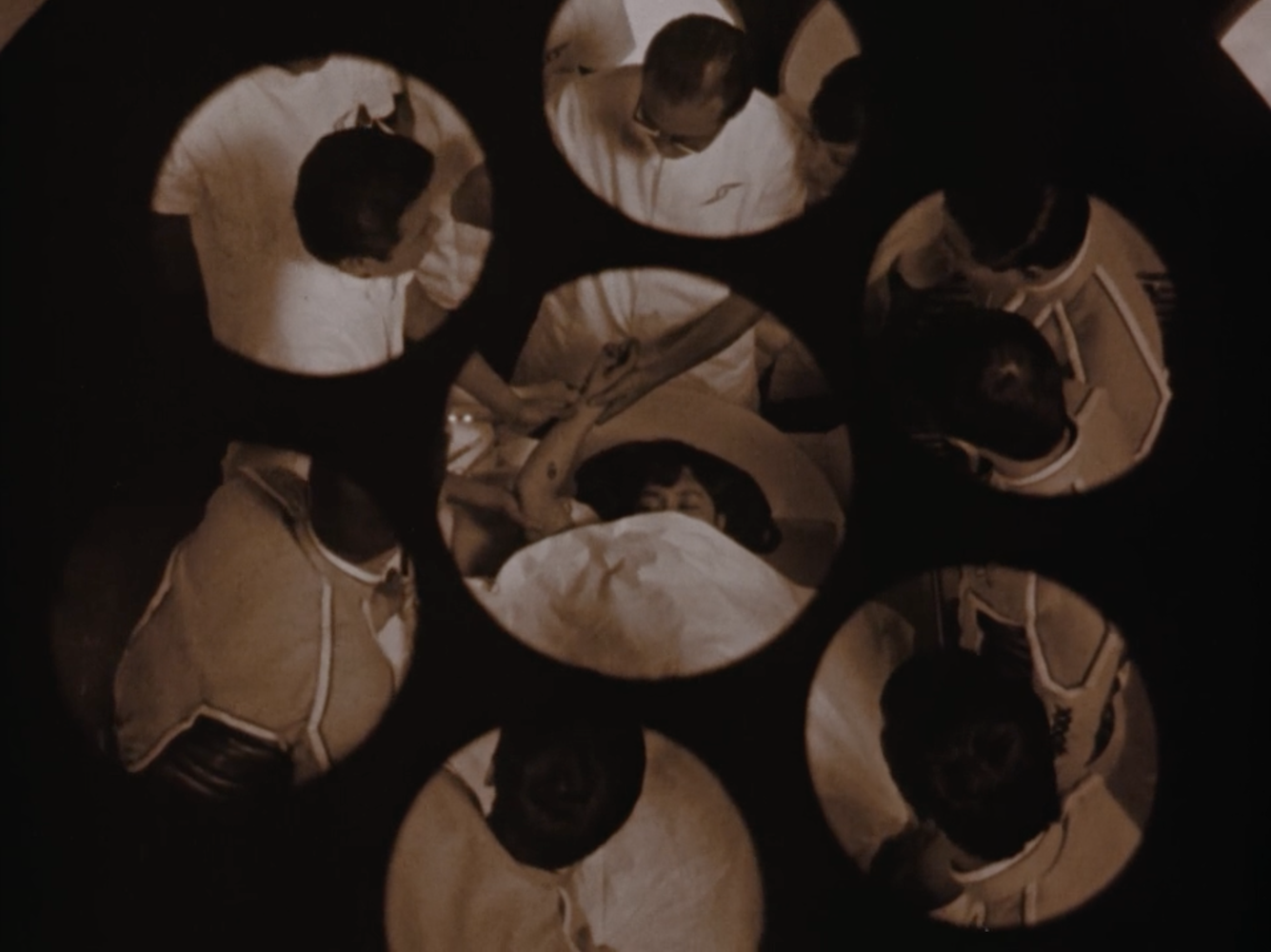
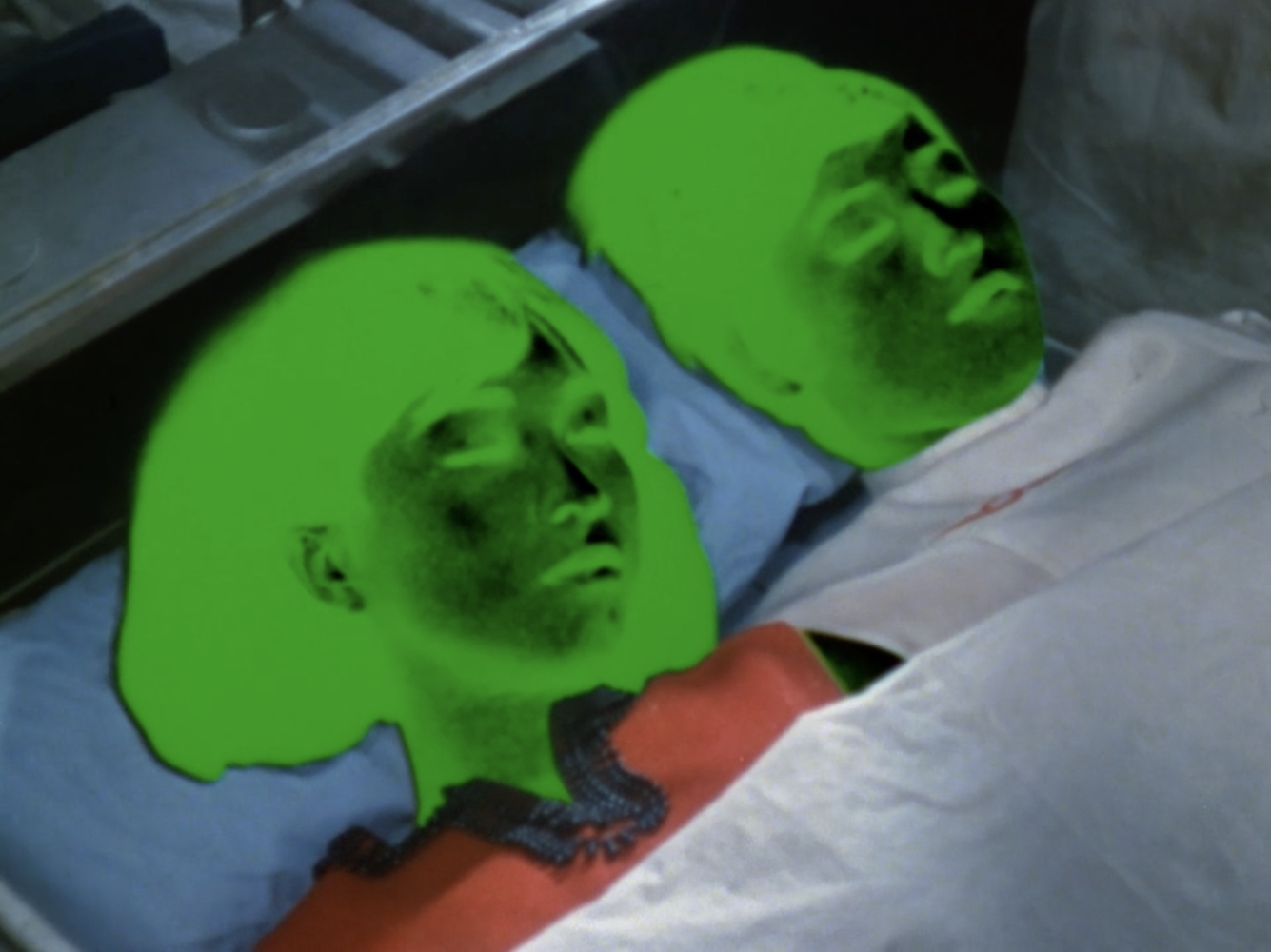
It’s a gross and visceral concept for an alien invasion scheme. It approaches the subject of the appropriation of women as breeding grounds, although perhaps this was an unintentional theme, with echoes of the alien plot from “From Another Planet With Love.” The camerawork highlights the horror with imagery inspired by Akio Jissoji’s visual style. At two points, the episode shifts to sequences filmed through unusual color filters, sepia and then green. There’s no specific motivation for these color changes aside from boosting the alienating tone, and they achieve that.
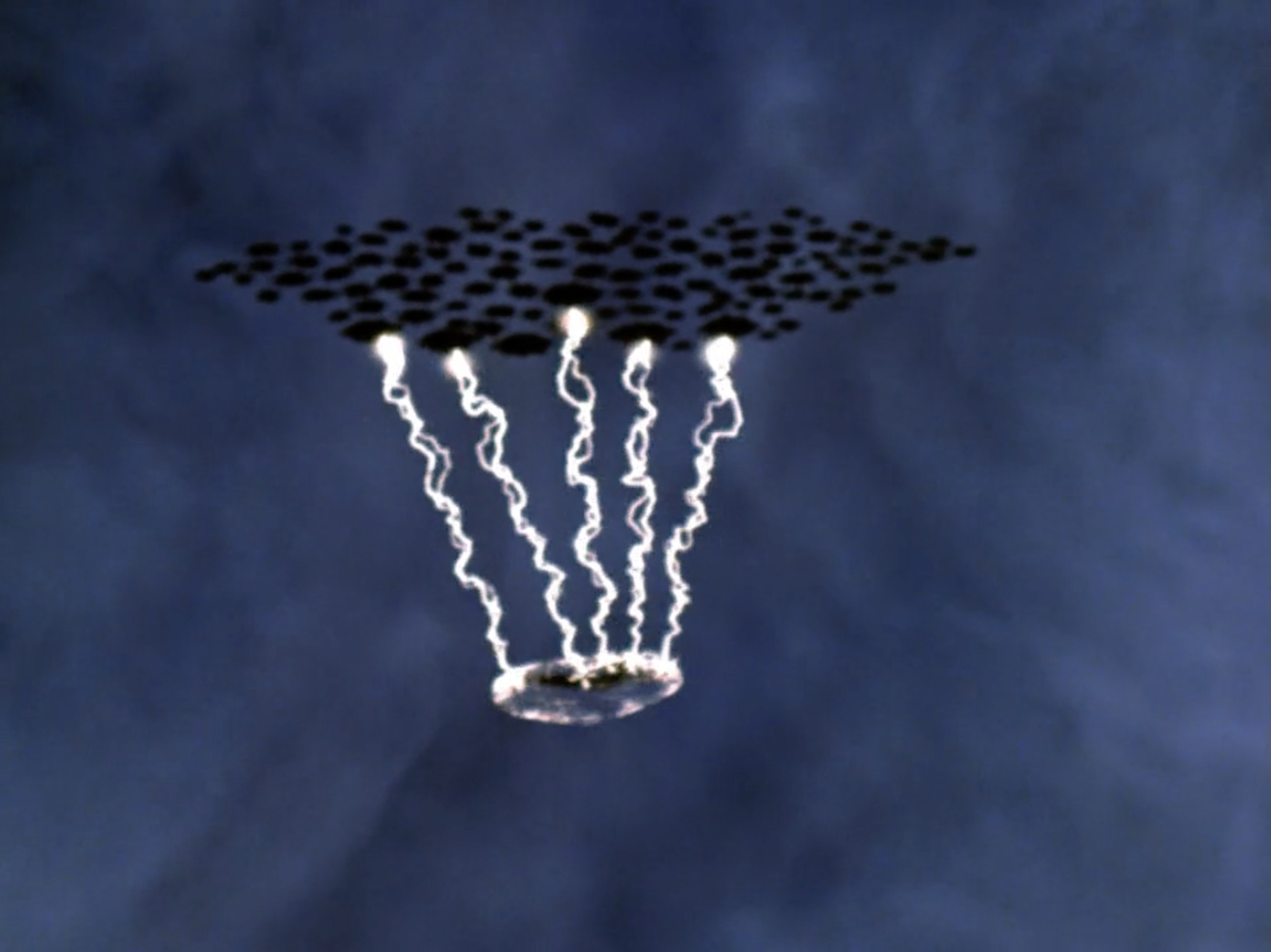
Then the Ultra Hawks go into action against Alien Braco’s fleet of ships, and the opportunity for an interesting solution to the human farm dilemma vanishes in a mass of sparks and aerial maneuvers. Saving Anne and Ruriko from the extraterrestrial infection that has hijacked their bodies rests on whether Seven and the Ultra Hawk 1 can blast away enough flying saucers.
The effects for the finale are strong and the staging is exciting — I won’t argue that. Alien Braco’s ships trying to catch Seven in an energy net is a major special effects highlight. But it’s still disappointing, almost a letdown, after the moody body horror and mystery before it. The earlier scene of Dan having to physically fight Alien Braco feels like the right scale for the finale. Perhaps the episode could end with Seven at human size infiltrating one of the alien vessels to obtain the cure for the infection. For an example of Ultraseven finding a more appropriate ending for this type of story, see “Flower Where the Devil Dwells.”
Another VFX set piece reveals that the Pointer, the Ultra Guard’s tricked-out supercar, can hover over water. It can still steer like a car when doing this, because Captain Kiriyama tells Furuhashi to “turn right” as they drift over the ocean, and he does so as if the captain told him to make a right after the CVS on the corner. It’s a fun effect regardless.
“The Human Farm” shows that going big for the ending isn’t always the best choice. Ultraseven often effectively straddles the divide between the smaller-scale mysteries of Ultra Q and the superhero kaiju action of Ultraman, but it doesn’t manage the balance here. It at least makes the two uneven parts work well on their own, which is better than a snoozer like “Space Prisoner 303.”
Rating: Average
Previous: Pursue the Undersea Base!
Next: Search for Tomorrow
 The Ultra Project