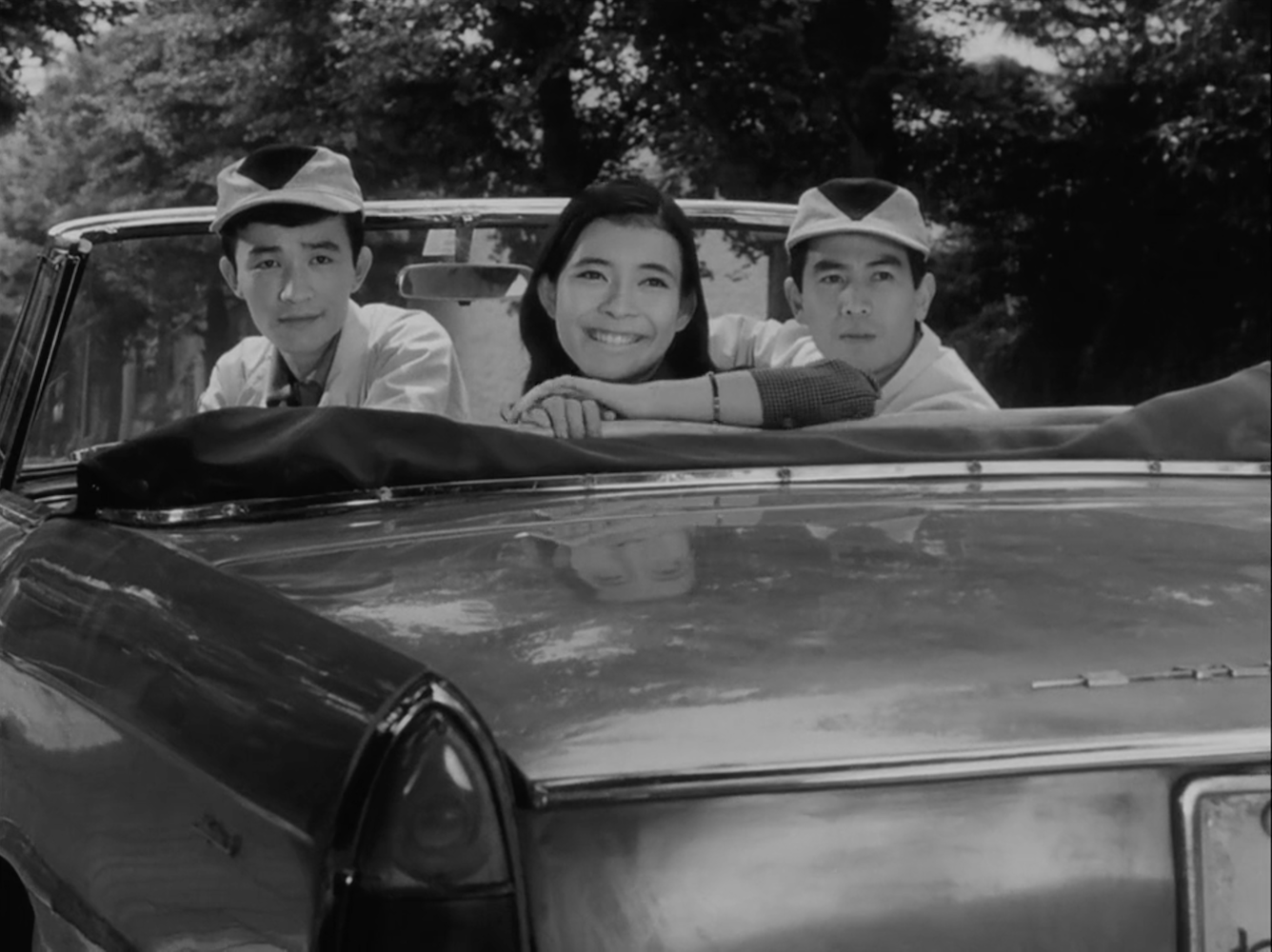
We’ve reached a major milestone at The Ultra Project: the first Ultra show reviewed from start to finish! I’ve examined all 28 episodes of the original Ultra Q, the 1966 show that started it all, so it’s time for a recap and a look back. The next post will be a full listing of all my Ultra Q reviews for easy reference. Right now, I’m pleased to present you a look at my personal favorite episodes.
With a show that has less than 30 episodes, I can’t reasonably pick a Top Ten — that would stretch the net too wide. Besides, I’m not fond of making “Top 10” lists or anything with an actual limit or specific ranking. I’ve simply picked a group of episodes that feels right to me. These aren’t meant to be representative of the entire show (you’ll notice I didn’t include many giant monsters episodes). They’re the episodes I enjoy the most for whatever reason. I haven’t ranked the episodes; instead, to switch things up, I’ve listed them in their original production order.
Now, let’s experience a parting of mind from body and let ourselves be swallowed in this mysterious time…
Open Up!
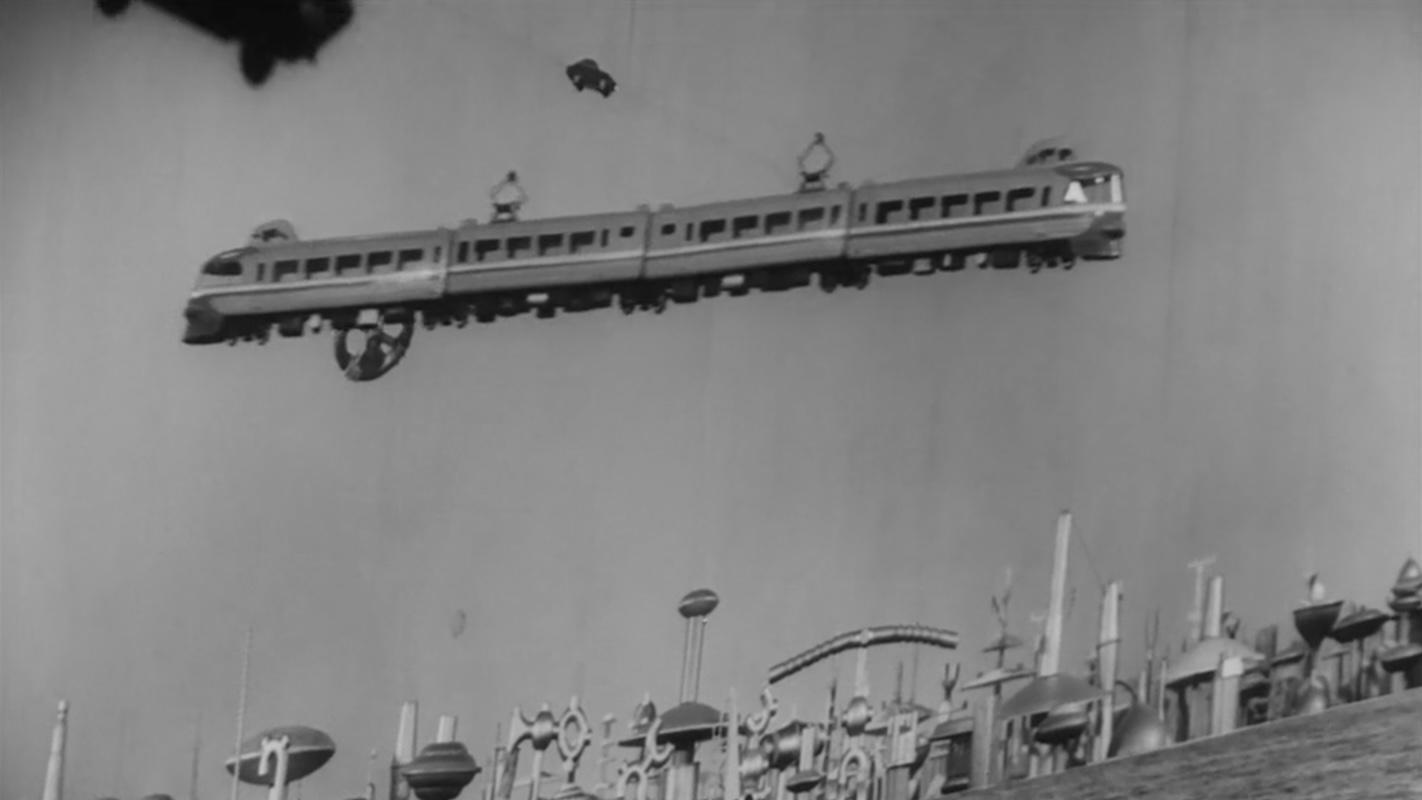
A look at an alternative vision for Ultra Q that’s closer to the style of The Twilight Zone. This might have dictated the tone of the rest of the show if the network hadn’t requested more monsters. Materializing the concept of escaping a drab life by going “somewhere” as a phantom train is a powerful metaphor. The episode perfectly captures the suffocating existence of the salaryman of ’60s Japan, which is a life people in many other cultures can understand as well. The visual effects show the amazing things Tsuburaya Pro could do away from big monsters. As a bonus, the episode offers us the closest that Yuriko and Jun come to a romance — an idea soon dropped, but it’s interesting to see these earlier visions of the cast.
The ⅛ Project
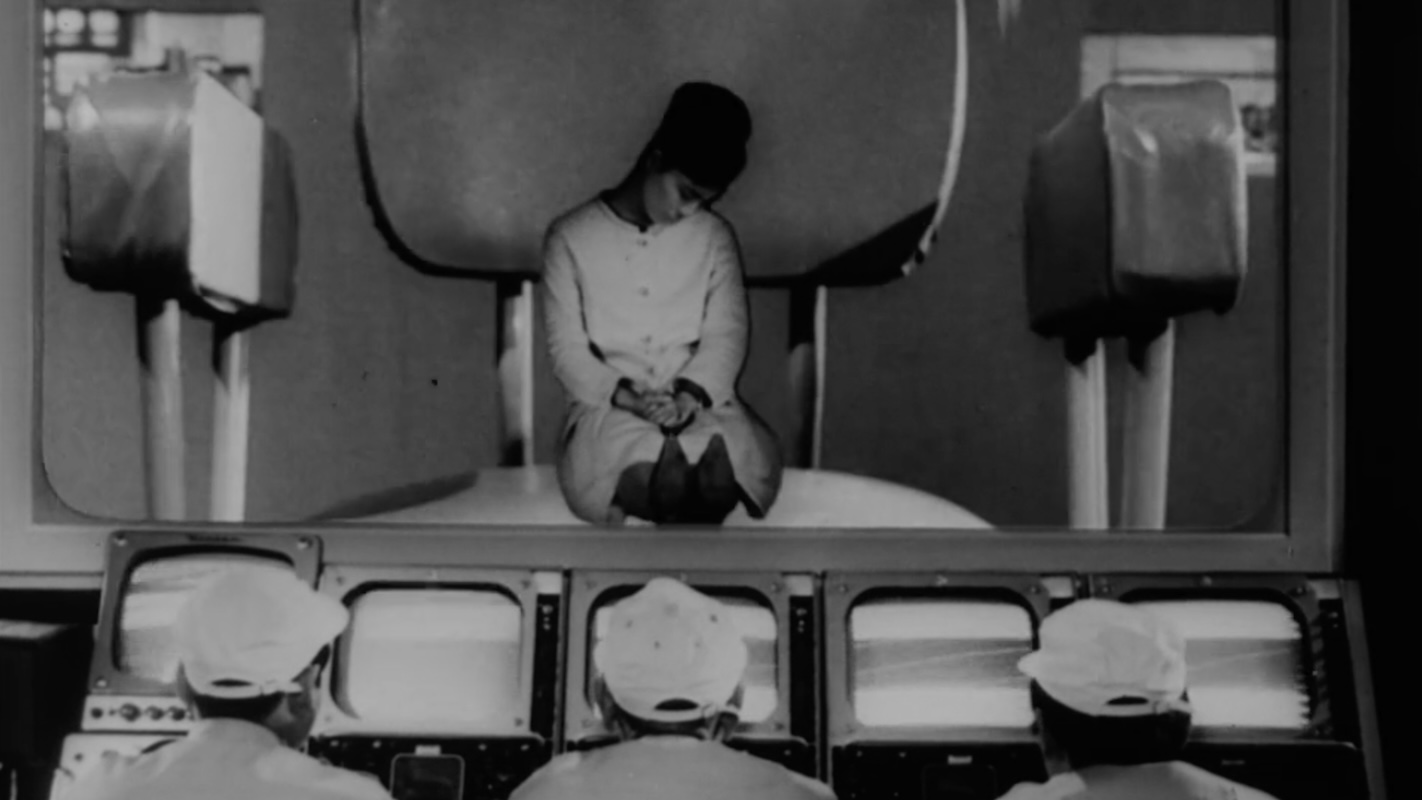
The most socially conscious episode, and another one that reflects the sensibilities of The Twilight Zone in its incisive examination of societal ostracizing and the inhuman crush of modern living. It also finds a way to slyly comment on the kaiju genre in an ingenious scene that makes it the most meta episode of the show. This is the rare Ultra Q outing to focus on the character of one of the show leads, putting Yuriko Edogawa in the spotlight and showing a different side to her usually chipper, youthful personality. If Ultra Q had run longer, I suspect we may have gotten more character-centric explorations like this.
Grow Up! Little Turtle
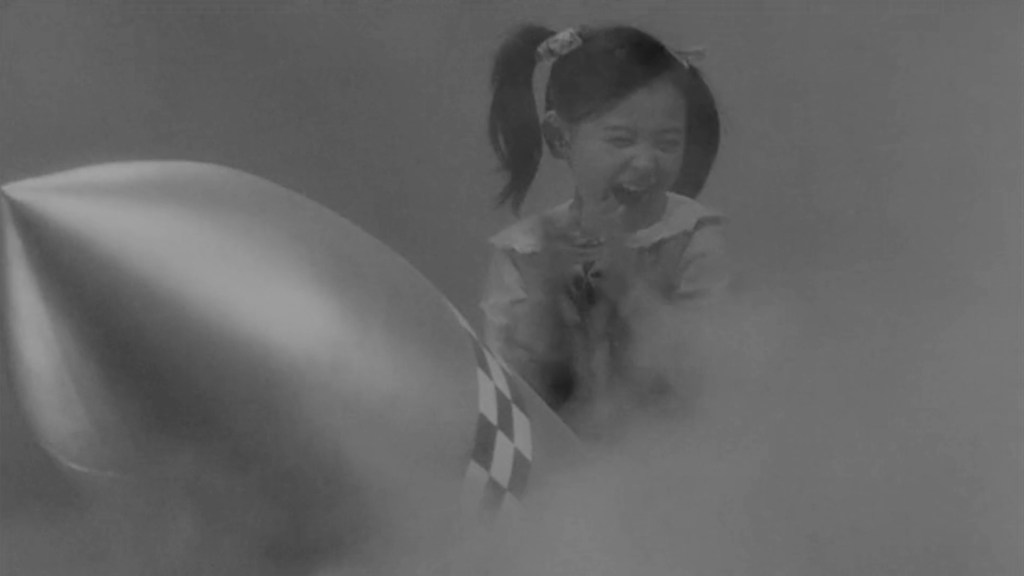
The fairy tale comes to the front for the first and certainly not the last time in the Ultra Series. And wow, is it nuts! Tsuburaya Pro takes the Japanese fable of Urashima Taro and warps it into a lunatic child-empowerment fantasy with doltish mobsters, a flying turtle with a control console, a dragon, a little girl riding a rocket, Looney Tunes-style explosions, and a final “moral” played as a gag. It arrives like an exploding bomb of confetti and sugary cereal, declaring that Ultra Q can be The Twilight Zone, it can be Godzilla, and it can be … this … whatever this is. So much fun.
Baron Spider
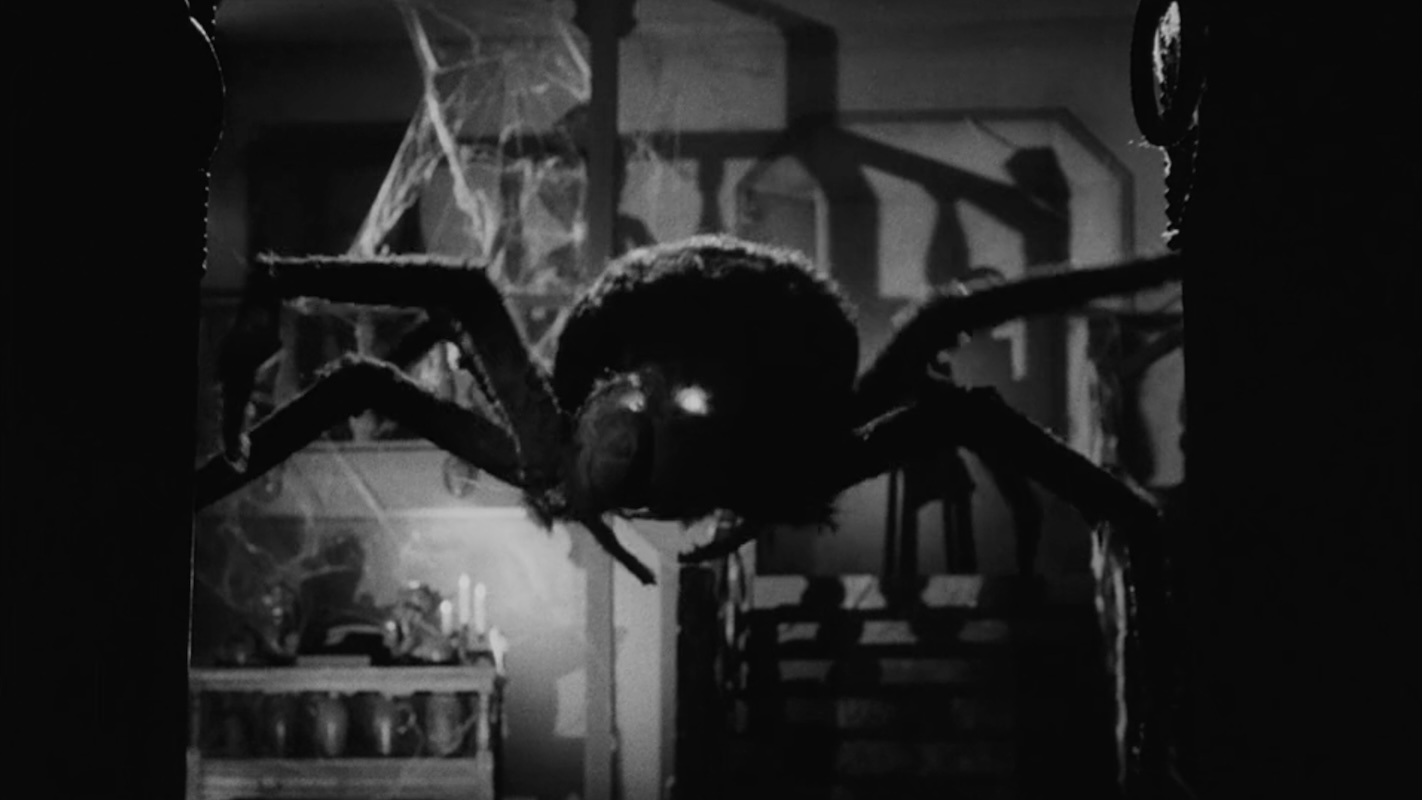
Hey, do you know what we folks at Tsuburaya Productions really feel like doing? Throwing a big ol’ Hammer Horror/ Vincent Price–Edgar Allan Poe gothic party in a spooky mansion — with giant spiders! We got all the decorations, all the trappings of the haunting season: the webs and the shadows and the car that breaks down in front of the crumbling manor house and Poe quotes and a Fall of the House of Usher finale … Come on in, it’s just about the best time you can have for Halloween! Seriously, they nailed it. All-around great classical horror, a slice of the Lonesome October that never fails to make me smile.
Tokyo Ice Age
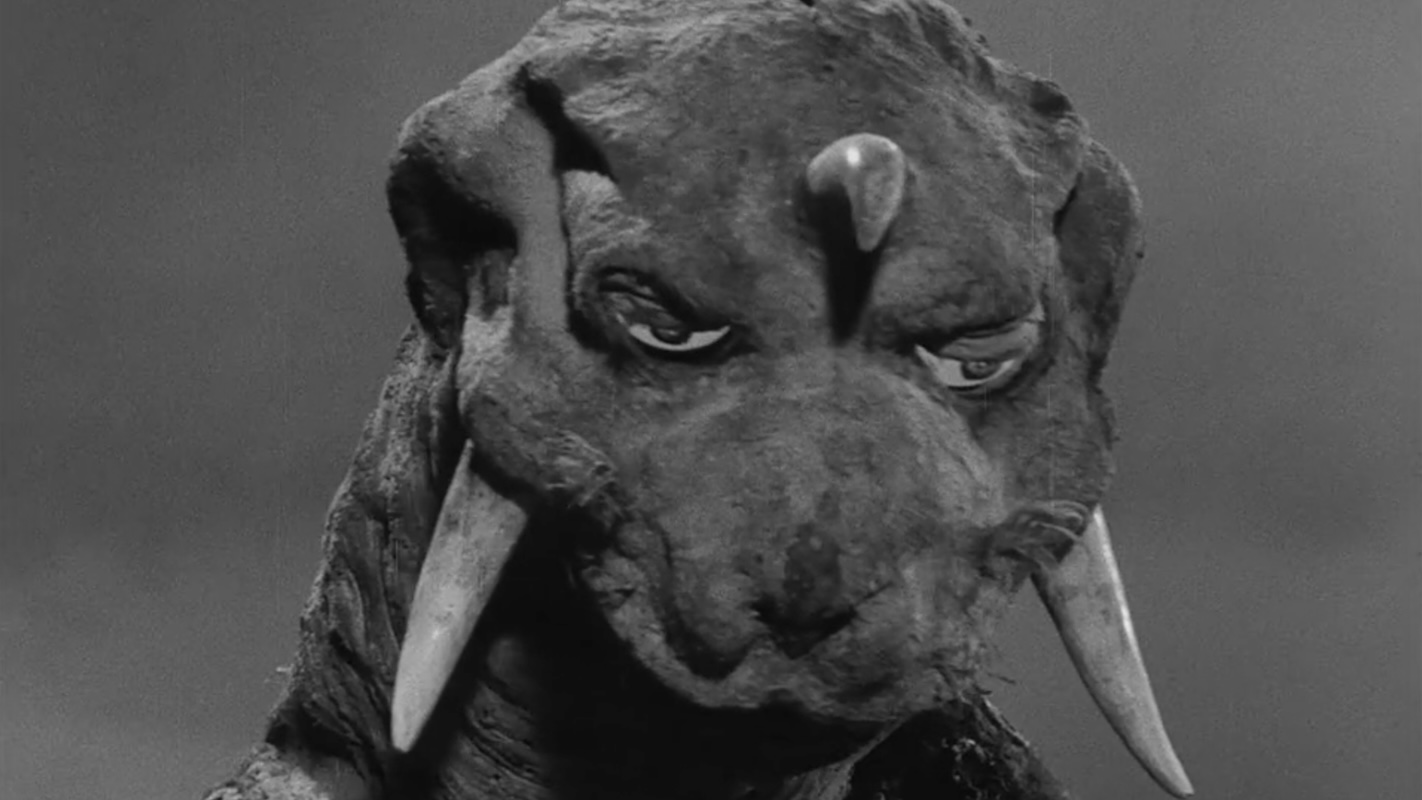
Here’s my favorite of the episodes that compress a kaiju film into a half-hour of television. “Tokyo Ice Age” earned the highest ratings of any Ultra Q episode (tied with “Garadama”), and it’s not difficult to see the appeal: it’s one of the show’s most epic achievements with a fantastic monster story mixed with the right amount of human drama. Peguila’s ice powers that plunge Tokyo into the titular Ice Age create a terrific background for the action, and the story of a boy searching for his father and his father’s redemption arc make for an immensely satisfying kaiju mini-movie.
Kanegon’s Cocoon
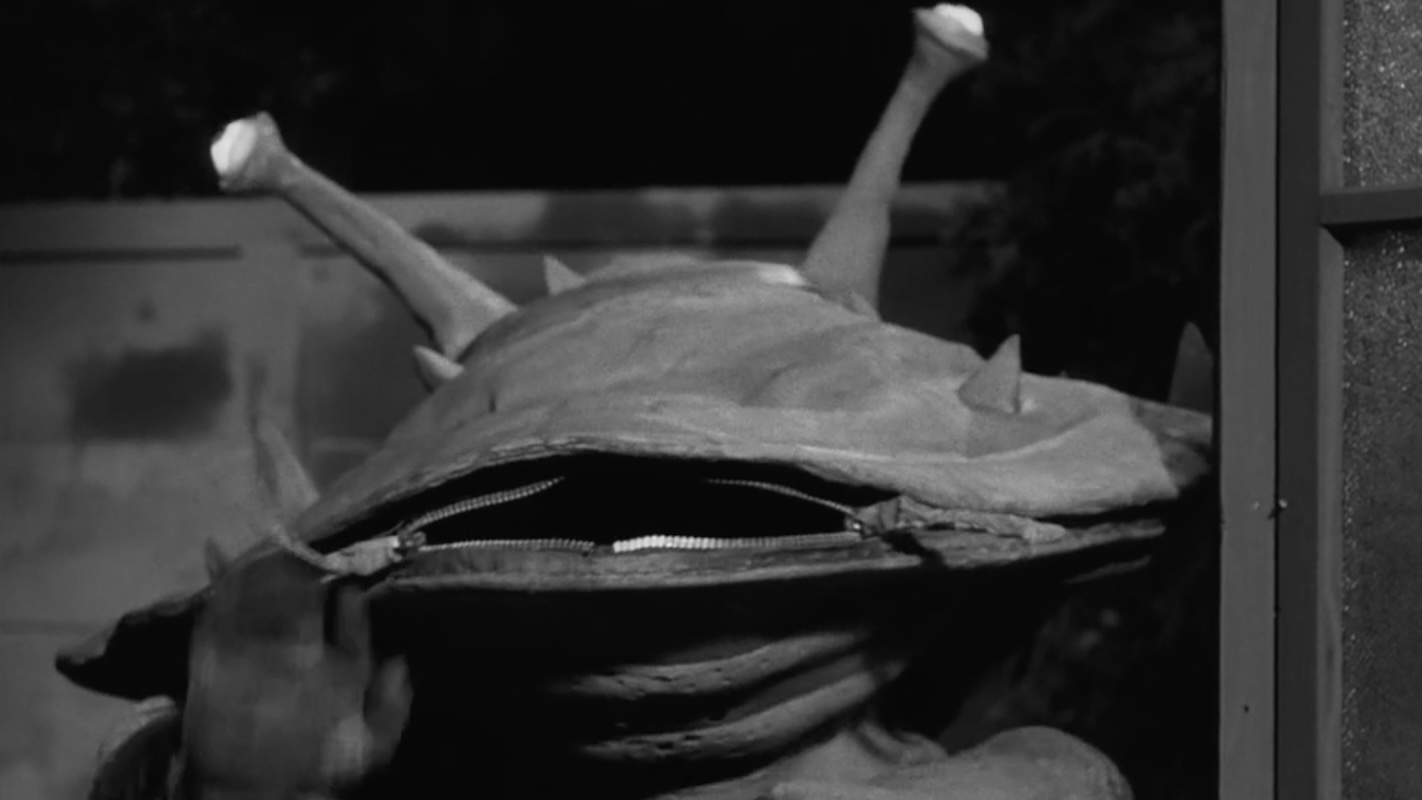
Probably the most famous episode. In Japan, “Kanegon’s Cocoon” has become so ingrained in popular culture that it’s transformed into neo-folklore. This delightful parody of moralistic fairy tales may be my favorite Ultra Q episode — as well as one of my favorites among the entire Ultra Series. Its tale of a coin-obsessed boy changed into the adorably funny monster Kanegon is both extraordinarily silly and contagiously endearing. Nonstop comedy antics that are genuinely funny, impressive surreal visuals from Tohl Narita, moments of real pathos, and the overall sense that something special is happening. I just love this ridiculous thing.
The Underground Super Express Goes West

The last episode shot for Ultra Q defies easy explanation and concludes in the most bizarre and inexplicable way possible for an already bizarre and inexplicable show. A recently grown organic life form that looks like a gravity-squished gorilla accidentally hijacks a high-speed train on its first run while a stowaway newspaper boy is aboard … and it keeps getting stranger and stranger. It’s played for big laughs but still has enough science-fiction material about emergent technology to hold the crazy-quilt thing together all the way to the jaw-dropping WTF!?! closing. The confidence in tone on display here predicts the colorful franchise to come. I am seagull, I am seagull…
Other Essential Episodes
Here are a few episodes that almost made the cut, as well as episodes I think would fit into an “Ultra Q Essentials” list for viewers who don’t plan to watch the entire show.
- The Devil Child – A horror tale with a distinctly Japanese flavor that presages the “J-Horror” boom of the 1990s and early 2000s.
- I Saw a Bird – An excellent performance from future Ultraman kid-star Akihide Tsuzawa and a gentle tragedy make this worthwhile even if the story doesn’t quite glue together.
- The Disappearance of Flight 206 – Utter gratuitous inclusion of a giant monster aside, this is one of the tensest and most action-filled episodes.
- Defeat Gomess! – The first episode aired, and it features Godzilla and Rodan (albeit disguised), so don’t skip this one.
- Blazing Glory – Contains the finest guest-actor turn in the show, Kentaro Kudo playing a boxer broken apart by his own fear of success. Kenji Sahara gets his best moment as Jun.
- Challenge From the Year 2020 – Many viewers like this strange SF outing more than I do, but it did introduce classic villain Alien Kemur to the Ultraverse.
- The Statue of Goga – Want some mid-‘60s James Bond fun in your giant monster story? Here you go!
- Garamon’s Revenge – My pick as the best episode for a series finale: giant monsters and a sentient alien villain. An excellent way to segue into Ultraman.
In Closing…
There is no “typical” episode of Ultra Q. You can’t capture the show’s magical spectrum of giant monster stories, surreal fairy tales, gothic horror, and humanist science fiction in a single episode. That’s one of the great appeals of the program, and this variety is the most important gift the show passed on to the rest of the Ultra Series. The swings in tones, the experiments in genre, the easy embrace of comedy and epic SF from one episode to the other — it’s all on Ultra Q.
Ultra Q is unique among the franchise: a black-and-white program with no superhero character. That makes it easy for newcomers to the series to bypass it at first and go straight toward the colorful action and bizarre kaiju in a show with “Ultraman” in the title. But Ultra Q is in no way a less entertaining experience — or lesser in any way — from the other top installments. I often recommend newbies begin here because there’s a freshness and raw creative force at work in the show that enhances all that follows.
I’ve loved this show from the first time I watched it (and it was “Kanegon’s Cocoon” that truly sealed the deal for me) and I’ve had a fantastic time taking this slow tour through every corner of it. Honestly, there’s only one episode I genuinely don’t enjoy, and that’s “Fury of the South Sea,” which falls limp for me. All the other episodes have something worth the viewer’s time, some marvel or amazement that still works sixty years later. I’m confident to call Ultra Q not only one of my favorites of the Ultra Series but one of my favorite television shows of all time.
 The Ultra Project