
Directed by Akio Jissoji. Written by Mamoru Sasaki. Airdate Dec. 18, 1966.
I’ve mentioned this episode numerous times, and for good reason: “My Home Is Earth” is the Ultraman episode that’s accumulated the most praise and had the biggest influence on future shows. It deserves its place among the Olympians of Ultra. This is a superlative work of tragic science fiction in the guise of a giant monster story. It channels the classic British film The Quatermass Xperiment, shows director Akio Jissoji putting his signature style to great dramatic use, and gives the best character his defining episode.
The Quatermass Xperiment was a large influence on Ultra Q (with an almost shot-for-shot recreation of one scene in “I Saw a Bird”). The vibrant world of Ultraman might seem an odd place for a homage to Nigel Kneale’s bleak ‘50s cautionary tale of the consequences of space exploration, but “My Home Is Earth” pulls it off. It takes the core idea of The Quatermass Xperiment — an astronaut returns from a rocket expedition turned into a grotesque creature — and works it into the world of the Science Special Search Party to challenge the show’s utopian view of space exploration. Writer Mamoru Sasaki was also influenced by the real-life story of Laika, the dog sent into space by the Soviets as an animal sacrifice to the Space Race. Sasaki’s disgust with the treatment of Laika fueled the anger and cynicism of his script.
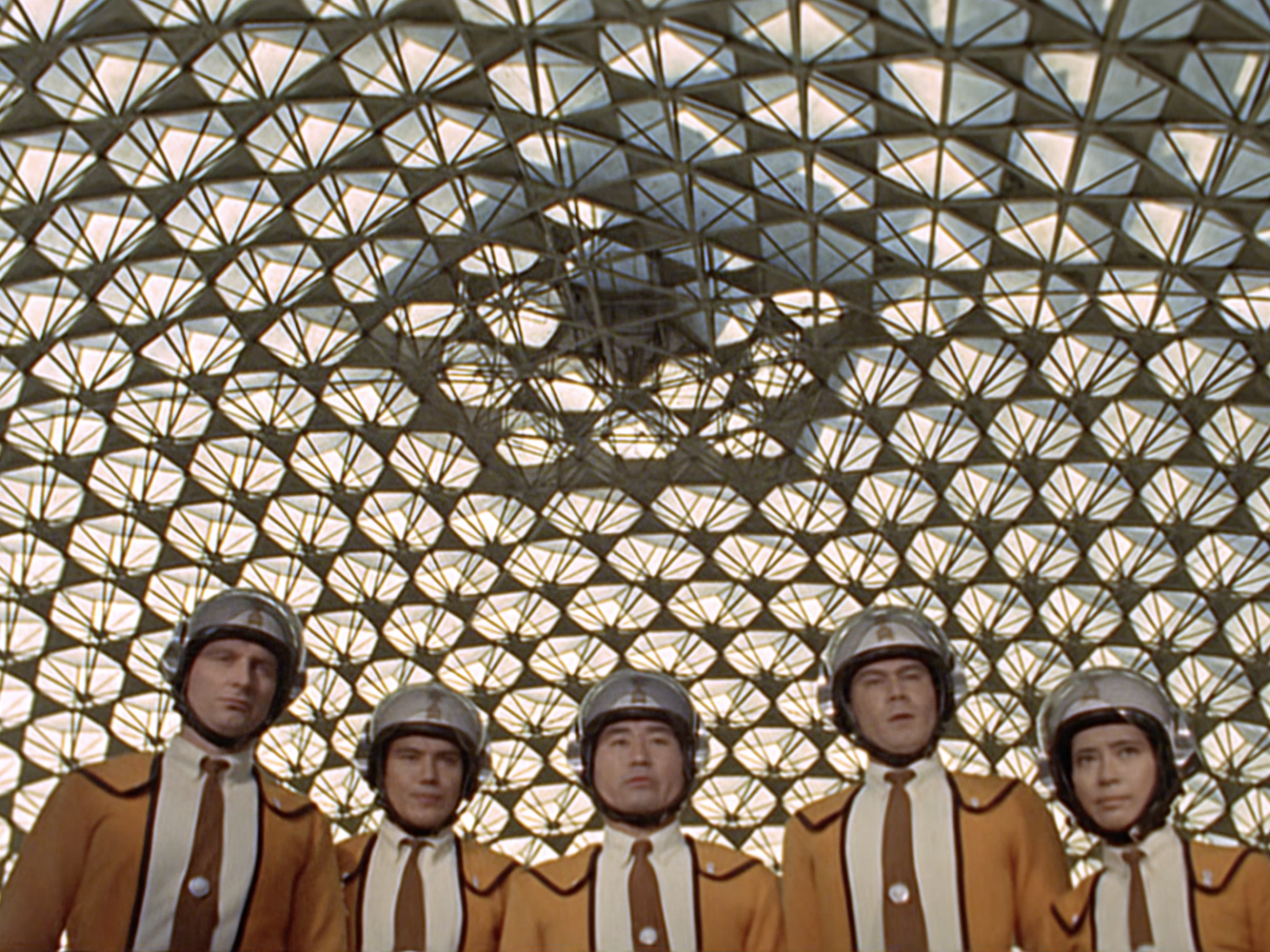
The episode begins like a standard alien story: Is an extraterrestrial menace responsible for a slew of ship and plane disasters that could derail the upcoming International Peace Conference in Tokyo? SSSP headquarters in Paris believes so. They send Patrol Member Alan Bilotz (Pierre Pirottsu) to Japan to assist in stopping the threat.
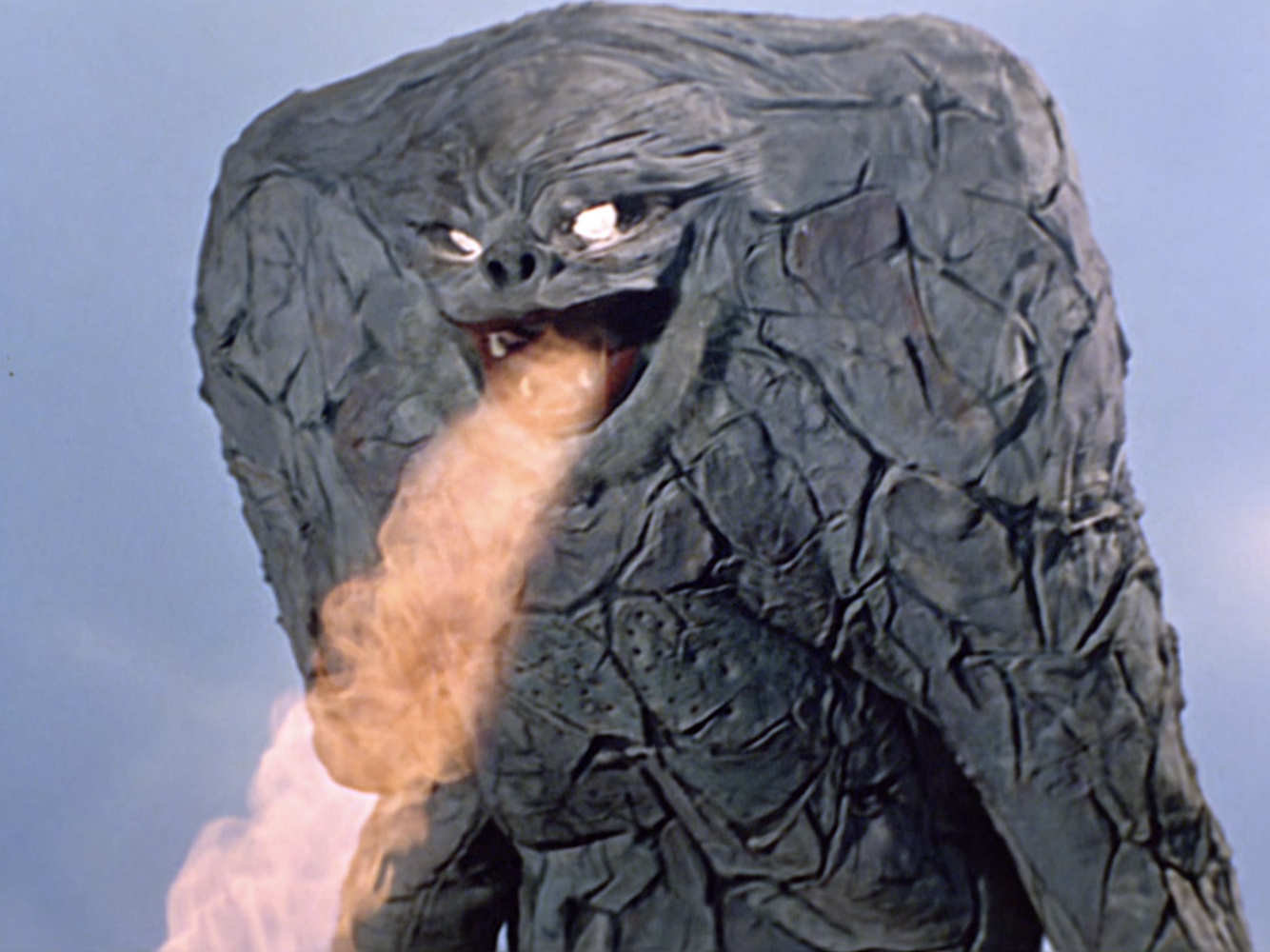
Paris HQ, however, hasn’t told the Japanese branch everything. The truth comes out after Ide’s inventions expose an extraterrestrial spacecraft and its giant monster occupant. The monster is actually a human, A. Jamila (an Algerian name), who was part of the space program of an unidentified country during the Cold War-era space race decades ago.1 Jamila’s spacecraft vanished and his fate was covered up to protect the space program. Jamila survived, however, and his body was transformed by decades spent on another planet. He built a new spaceship to return to Earth and unleash his fury on the world that abandoned him. Paris HQ’s orders are to kill Jamila and keep his identity secret.
This is a cynical turn for an optimistic show, but the episode sells the dark story flawlessly. The script, direction, and music work together to create a tragic escalation. I haven’t mentioned series composer Kunio Miyauchi as often as I should, and this episode contains one of his best scores. His tragic theme for Jamila on strings underscores several sequences and elevates each one. Miyauchi is usually associated with the pop-jazzy sound of Ultraman, but as his work on Ultra Q shows, he could also do horrific and elegiac.
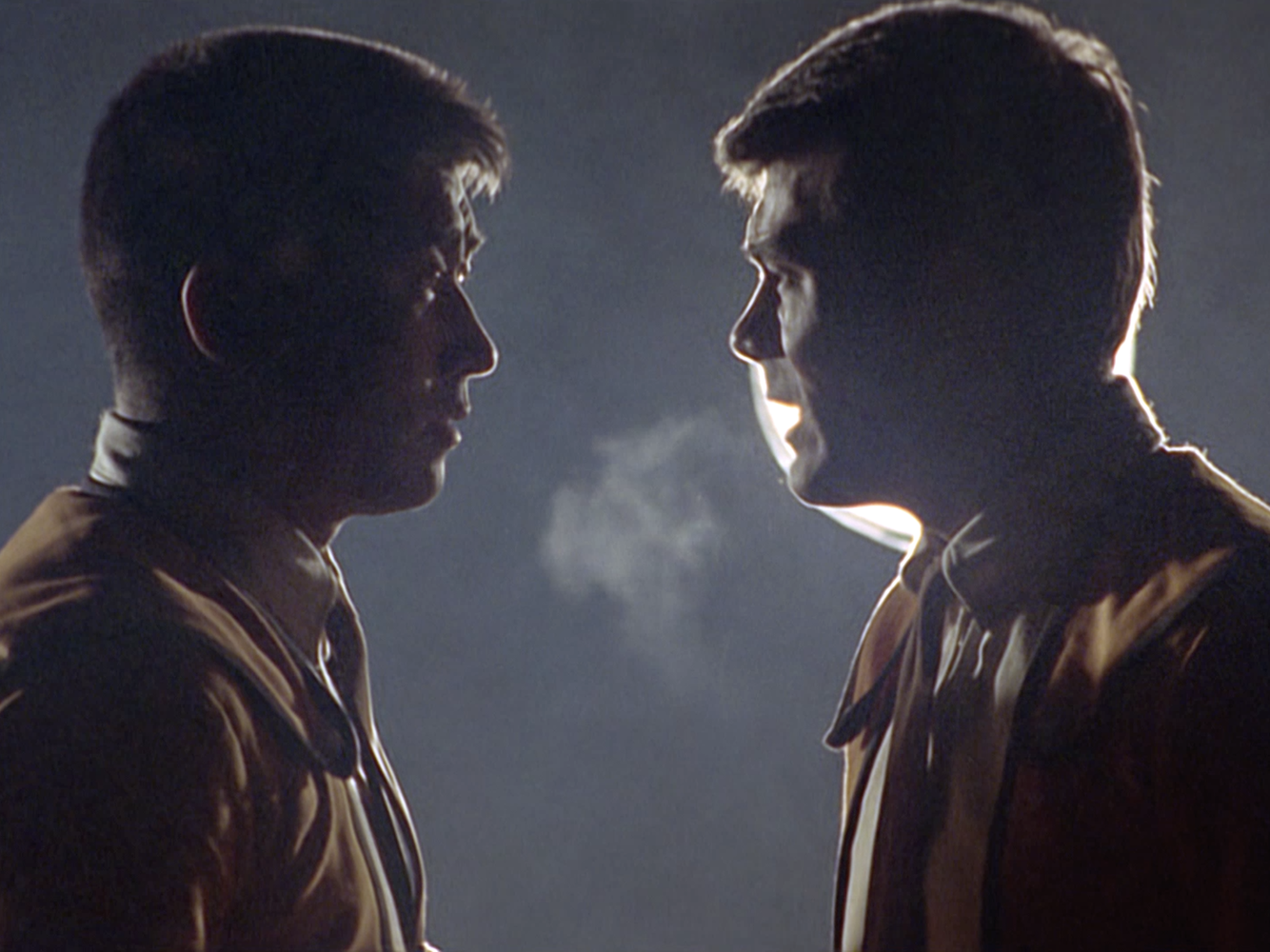
Akio Jissoji’s visual style could have tripped up the episode by drawing too much attention to itself; Kazuho Mitsuta feels like the more obvious director choice. Jissoji, however, adapts his extravagance to suit the story. The episode is gorgeous, but all its style feels earned. The knockout visual sequence is a late-night outdoor scene where Alan tells the SSSP what they’re actually fighting. Jissoji shoots the scene in deep shadows with characters lost in the night against glaring spotlights, enhancing the mood of fear and bristling tension.
But what really glues “My Home Is Earth” together is Masanari Nihei’s performance as Mitsuhiro Ide.
Although Ide never lost his comedic side, he gradually developed a more complex personality over the first half of the show. It peaks here, where Ide becomes the ethical voice and righteous anger of the Japanese Science Special Search Party. He’s at first enthusiastic about tracking down a supposed alien invader with his inventions. But during the nighttime scene where Alan unveils the ugly truth about what they’re facing, Ide breaks. He shouts, “I’m out!” and refuses to take part in fighting Jamila. Ide understands that any one of them could have been in the same situation, a sacrifice by the powers-that-be to “progress.” Arashi tries to confront him, but it’s clear the other members feel the same way.
Nihei nails the acting in this pivotal scene, and then perfectly plays Ide’s anger and grief through the rest of the episode — concluding with the final shot where he refuses to answer off-screen calls of his name. It’s the best single-episode performance in Ultraman.
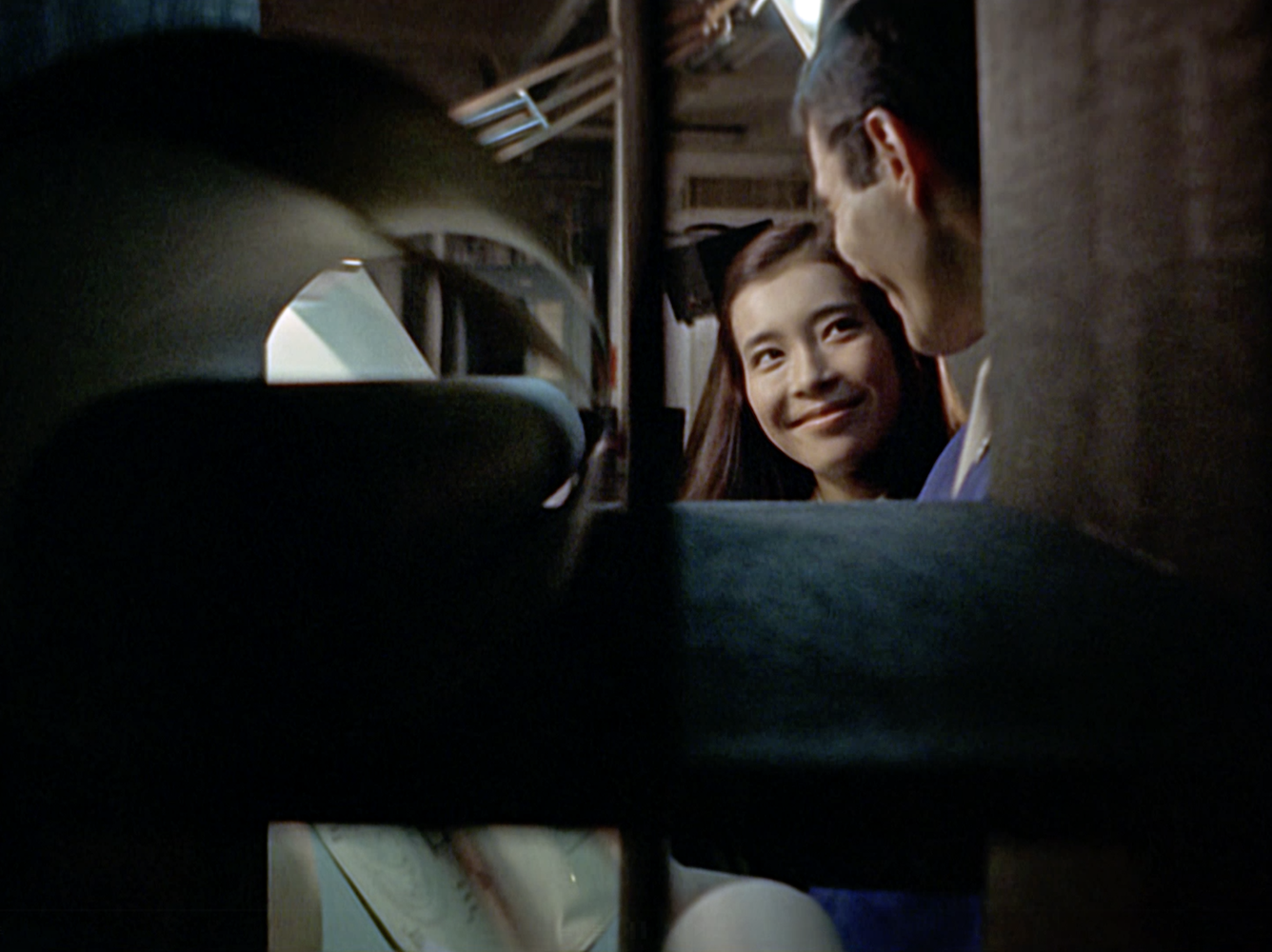
Ide has another key emotional beat that’s smaller but revealing. As Ide works late into the night on his inventions, Fuji visits to bring him some coffee. They share a brief exchange and smiles, and it’s so sweet that it’s impossible for me not to think these two are in love. The Ide/Fuji pairing is popular with fans, and this is the moment where the show appears to agree. But this is bigger than fan shipping: the moment shows Ide’s softness and love of his comrades. These people aren’t just co-workers. They’re emotionally intertwined, which makes Ide’s later fury at inhumanity cut even deeper.
The climax pays off everything that has come before. The effects work is excellent, but it’s the tragedy of how this final confrontation with Jamila plays out that delivers the gut punch. Teruo Aragaki, who showed his monster acting chops as Red King in “The Monster Anarchy Zone,” gives an astonishing performance as Jamila in the closing moments.
“My Home Is Earth” was recognized as a great episode when it premiered, challenging the perception that Ultraman was just for kids. Its reputation has grown over time. Many Ultra shows attempt to have their own version of its tale of space-travel tragedy and revenge, such as Ultraman Tiga’s “Goodbye, Planet Earth.” Some of them have worked well. The original, however, is unlikely to be surpassed. It’s in the Hall of Fame of the Land of Light.
Rating: Classic
Previous: Overthrow the Surface!
Next: Undersea Science Center
- We know the timeline thanks to a memorial plaque that lists the current year as 1993. This is the only point where the future setting of Ultraman is specifically mentioned. Later shows would retcon this to fit a different timeline. ↩︎
 The Ultra Project