Ultra Q Ep. 19: Challenge From the Year 2020

Directed by Toshihiro Iijima. Written by Tetsuo Kinjo and Toshihiro Iijima. Airdate May 8, 1966.

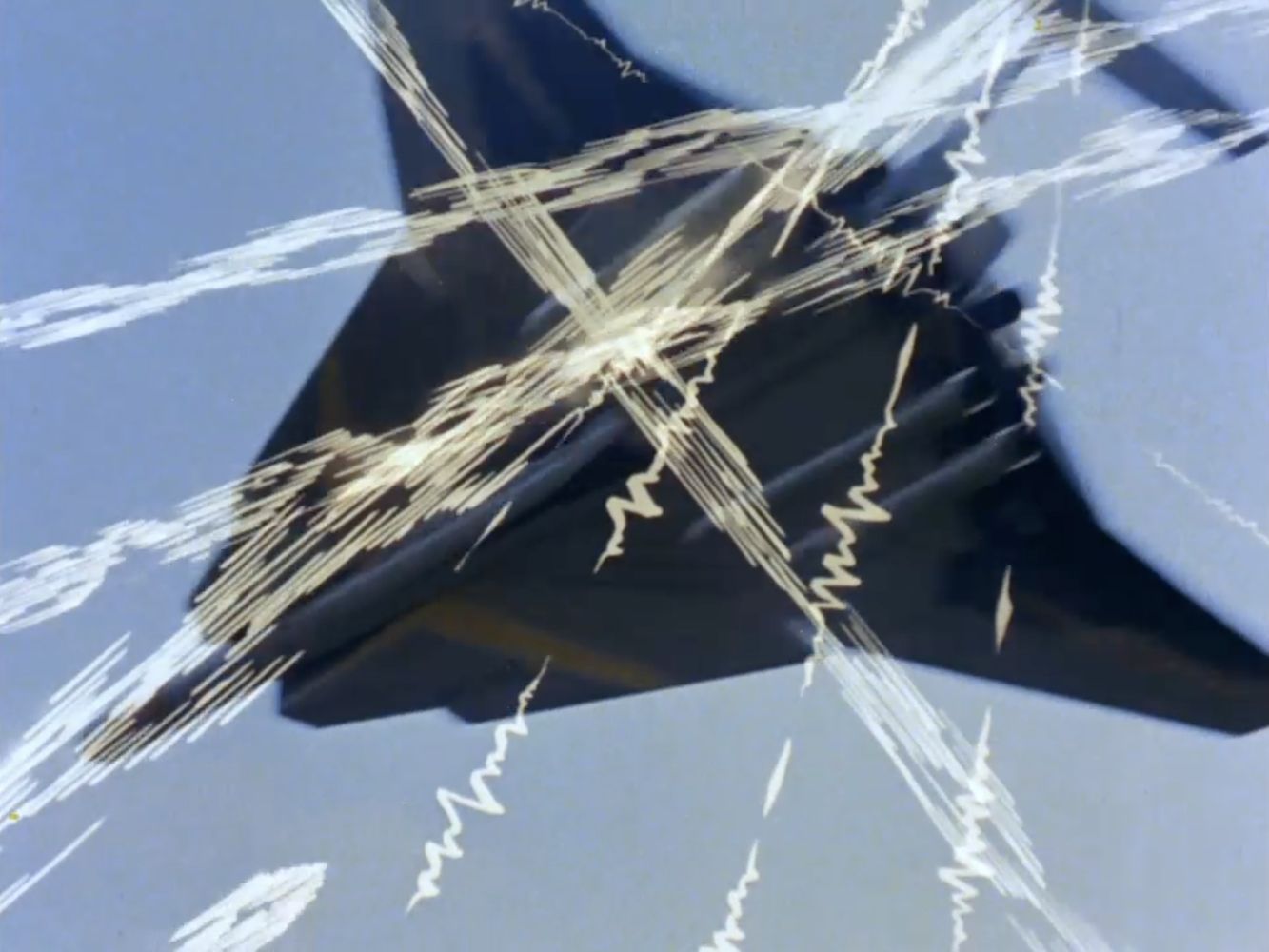
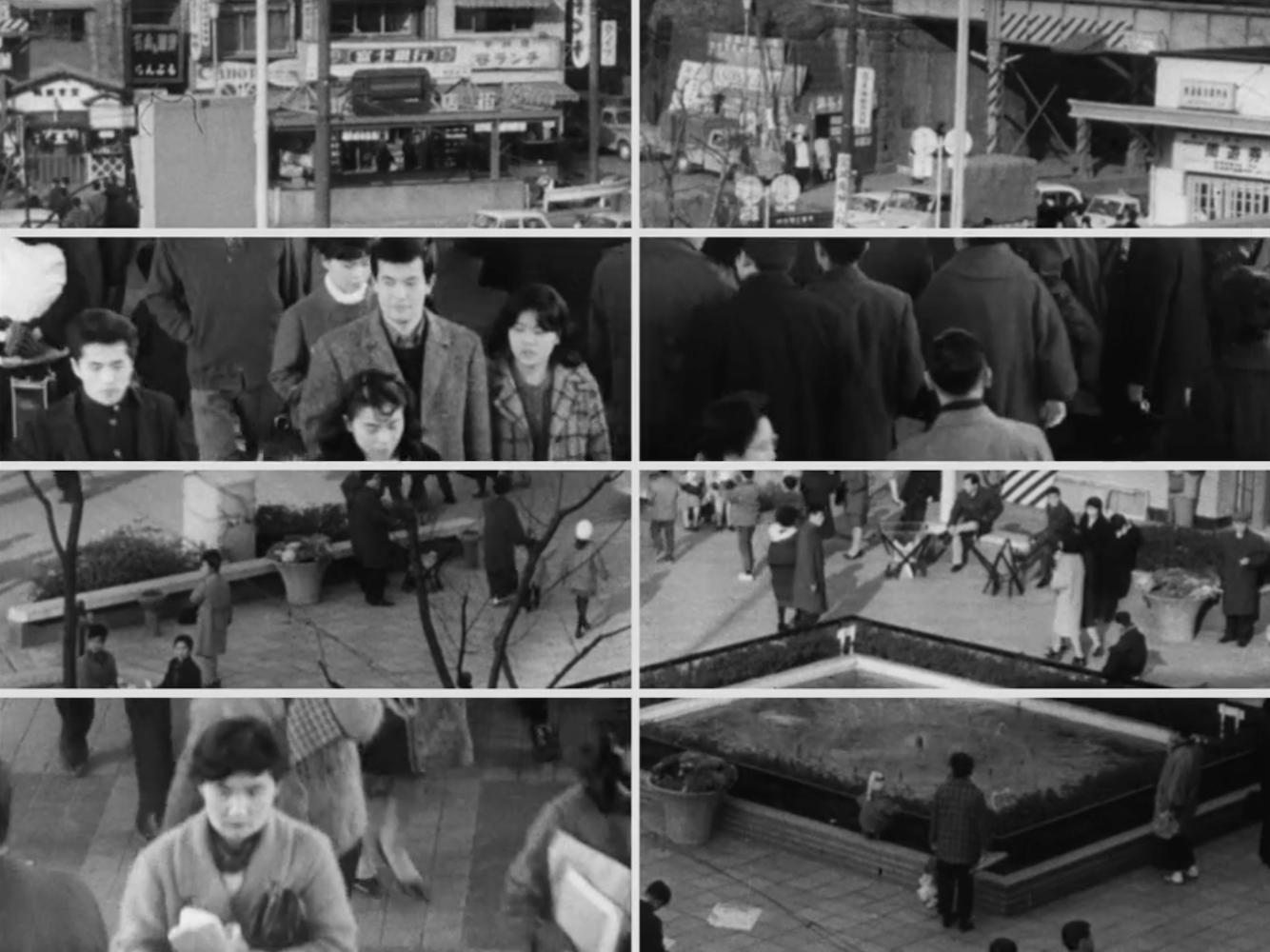
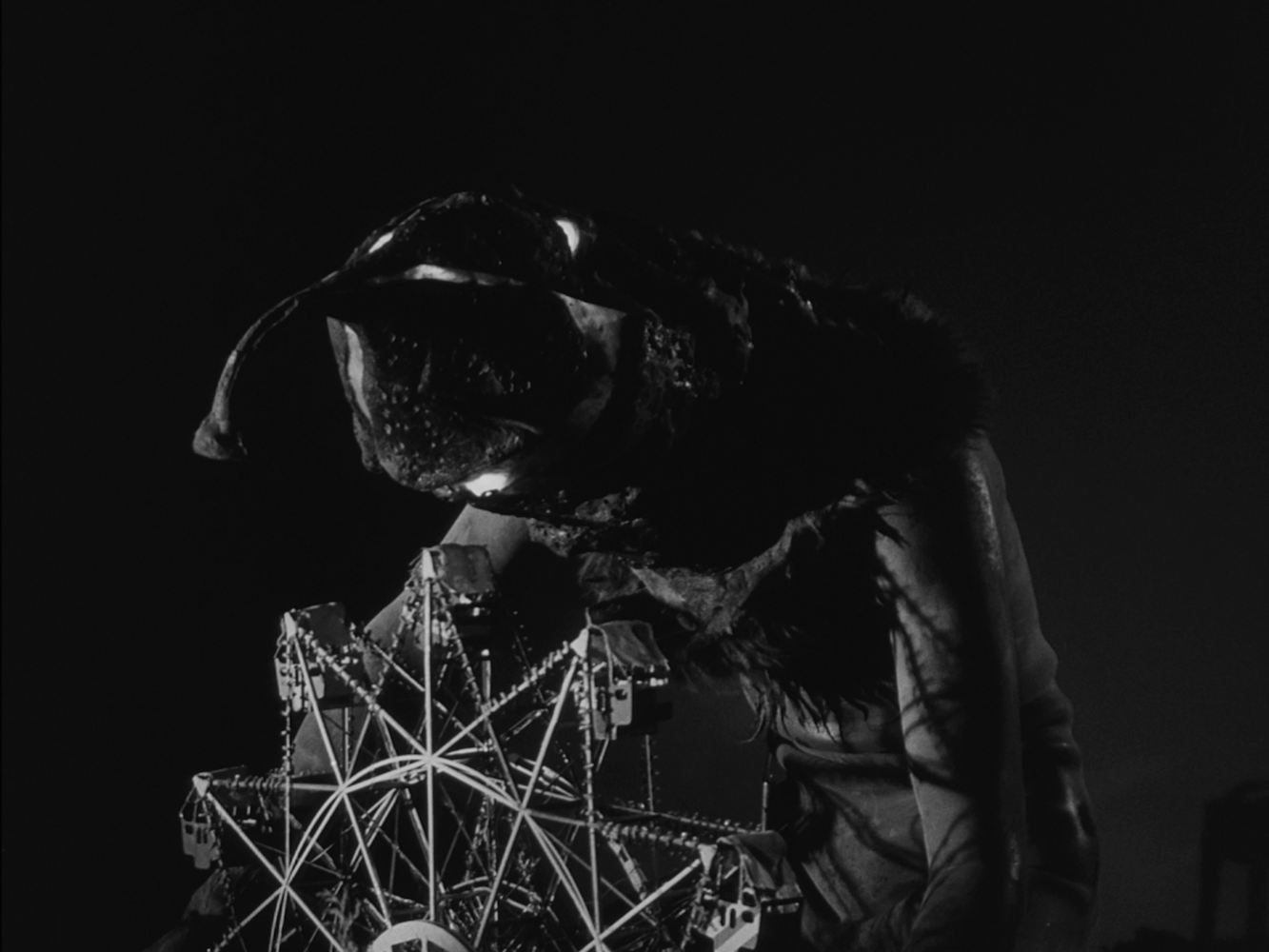
It’s redundant to write, “This is a weird episode of Ultra Q,” because weirdness is the show’s default setting. But this is a weird episode of Ultra Q. Not in the humorous fashion of “Kanegon’s Cocoon” or the crazy pinball machine of “The Underground Super Express Goes West.” This is the weird of dark science fiction where not much ends up making sense; intentional SF surrealism appears to be the point. I can’t say I understand much of what occurs in “Challenge From the Year 2020,” but I do like a lot of what I see. Your mileage may vary, either up or down.

Continue reading “Ultra Q Ep. 19: Challenge From the Year 2020”
Ultraman Ep. 17: Passport to Infinity

Directed by Toshihiro Iijima. Written by Keisuke Fujikawa. Airdate Nov. 6, 1966.

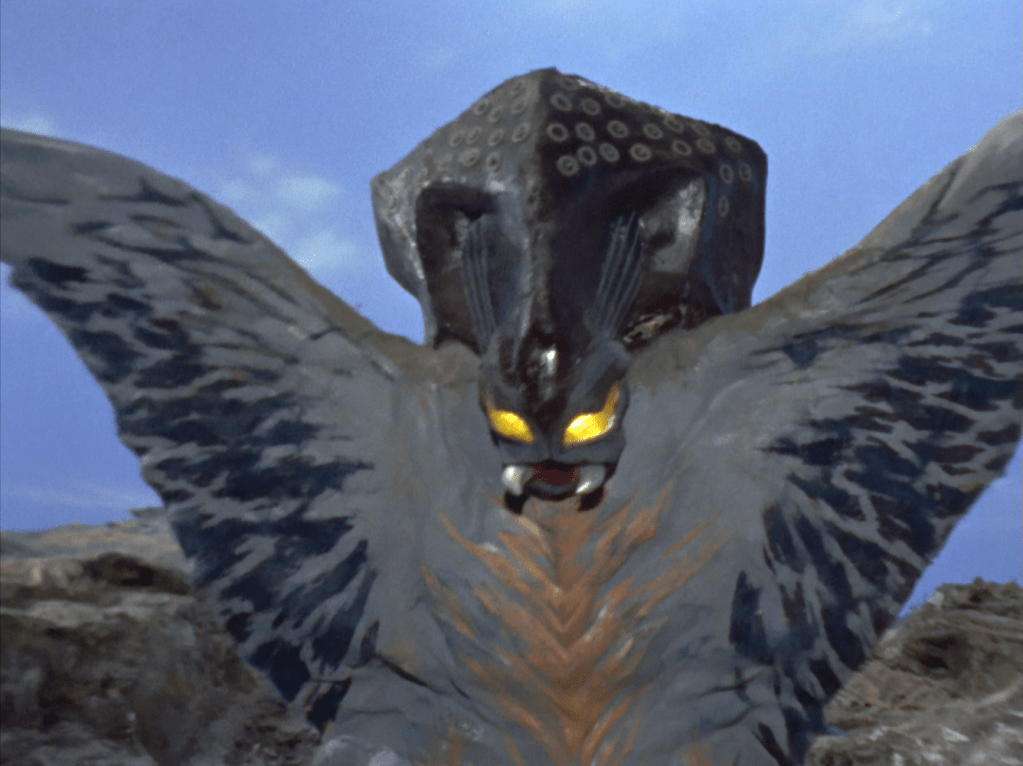
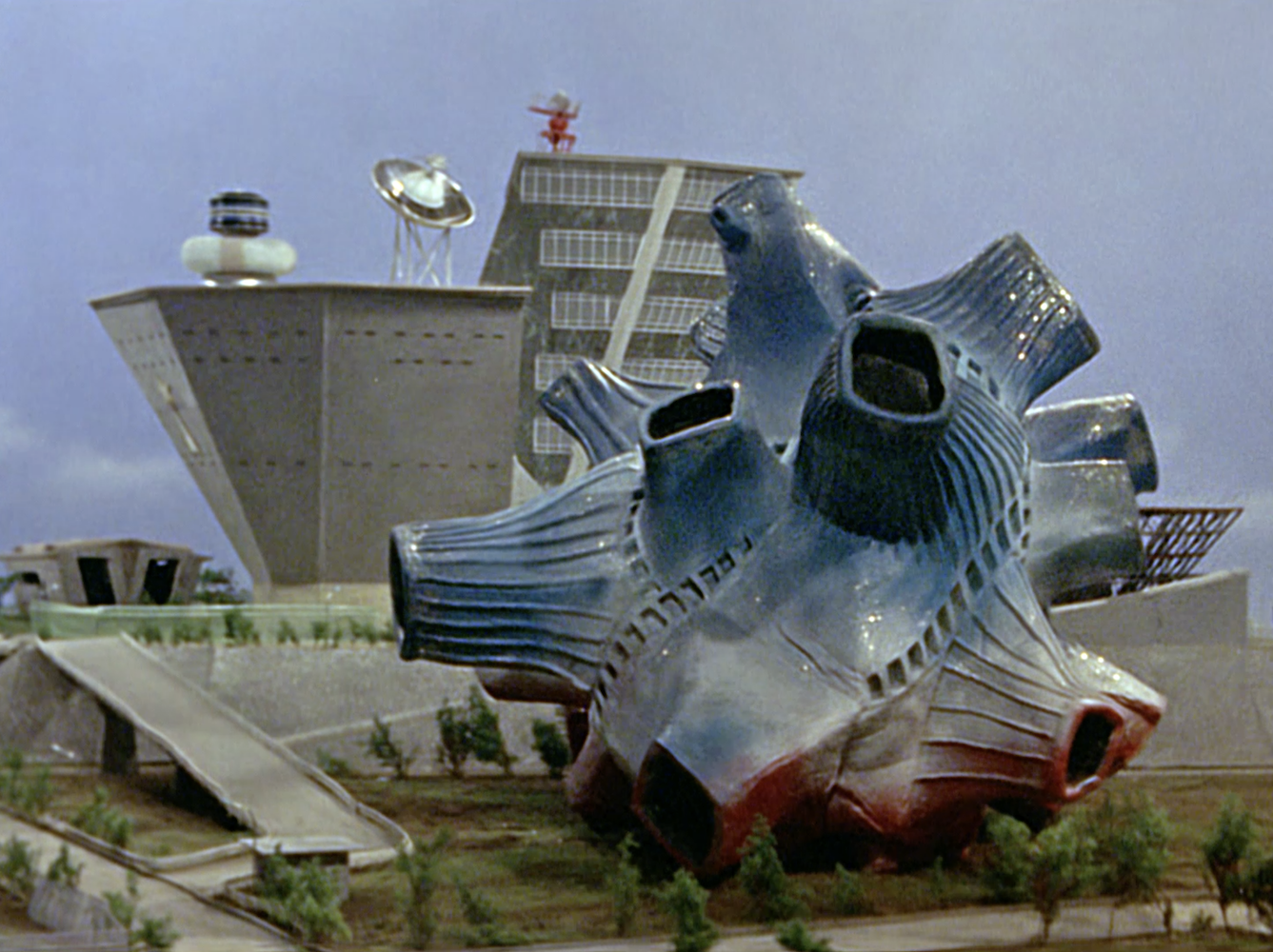
The most surreal Ultraman episode yet. That still places it below the strangest episodes of Ultra Q or an average episode of Ultraman Taro. Those shows set a high bar for weirdness, but “Passport to Infinity” makes a game effort at trippy and abstract excitement. Best of all, we get one of the Ultra series’ most memorable kaiju, Fourth Dimensional Monster Bullton, which resembles a heart valve as designed by Joan Miró. 

Continue reading “Ultraman Ep. 17: Passport to Infinity”

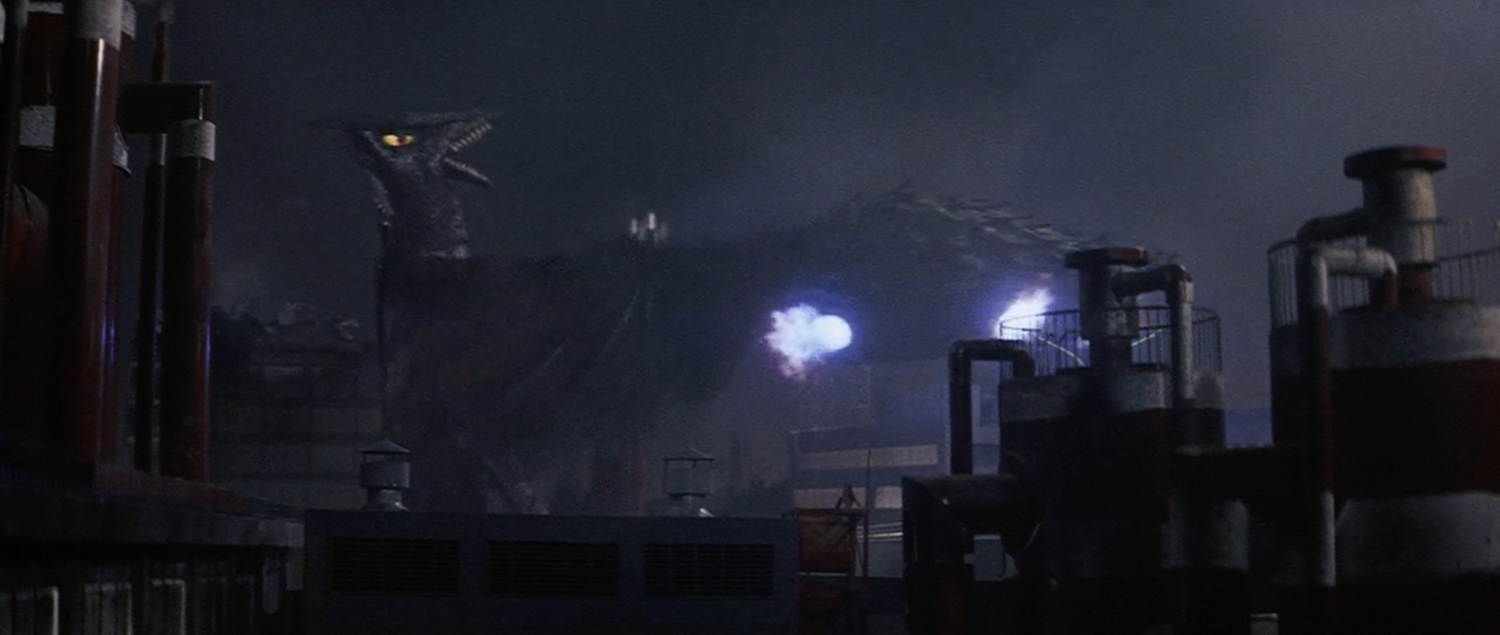
Toku Theater: Gamera vs. Gyaos (1967)

Directed by Noriaki Yuasa. Written by Niisan Takahashi.

After two bland movies, the Gamera series at last discovers its niche and breaks out the good rubber-suited monster times. 

Fans generally consider Gamera vs. Gyaos the best movie of the series. I won’t argue with that. The pacing, the monster battles, the cast, the blend of the human story with the big beastie action … it all comes together for an entertaining monster vs. monster show, and one of the best kaiju films of the Showa Era outside of Toho Studios’ output.

Continue reading “Toku Theater: Gamera vs. Gyaos (1967)”

Ultraseven Ep. 13: The Man Who Came From V3

Directed by Toshitsugu Suzuki. Written by Shinichi Ichikawa. Airdate Dec. 24, 1967.

“The Man Who Came From V3” feels like Tsuburaya Productions attempting an even split between a character-driven drama about Cap. Kiriyama facing an ethical dilemma and a huge science-fiction blow-out that crams in the maximum amount of dueling ships and giant monster action that a half-hour of TV can hold. But somewhere in the process of writing and shooting the episode, the character half gave up and let the VFX half spin donuts all over everything.

Continue reading “Ultraseven Ep. 13: The Man Who Came From V3”

Ultraman Tiga Ep. 8: On the Night of Halloween

Directed by Yasushi Okada. Written by Masakazu Migita. Airdate Oct. 26, 1996.

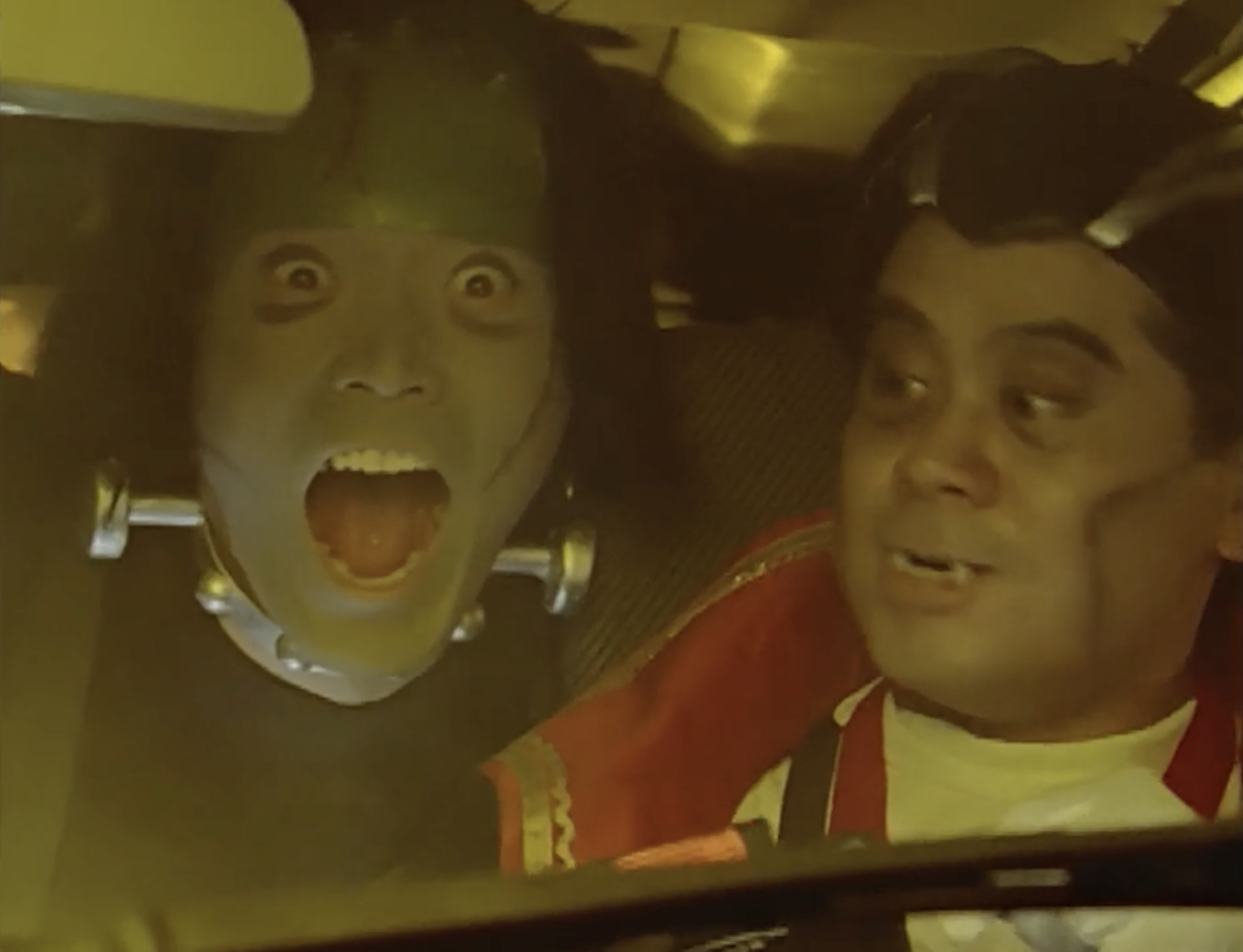
The perfect Ultra episode for Halloween is Ultra Q’s “Baron Spider.” I timed that review for the holiday last year. This actual Halloween-themed episode — one of the few in the Ultra series — is arriving in time for, uhm, the Ides of March. As much as I’d also like to land this review on Halloween for some synergy, it’s not a huge loss. As holiday flings go, this one’s minor. It’s mostly interesting for showing how Japan celebrated Halloween before the explosion of mass cosplay parties in the 2010s. 

Continue reading “Ultraman Tiga Ep. 8: On the Night of Halloween”

Ultra Q Ep. 18: The Rainbow’s Egg

Directed by Toshihiro Iijima. Written by Masahiro Yamada. Airdate May 1, 1966.

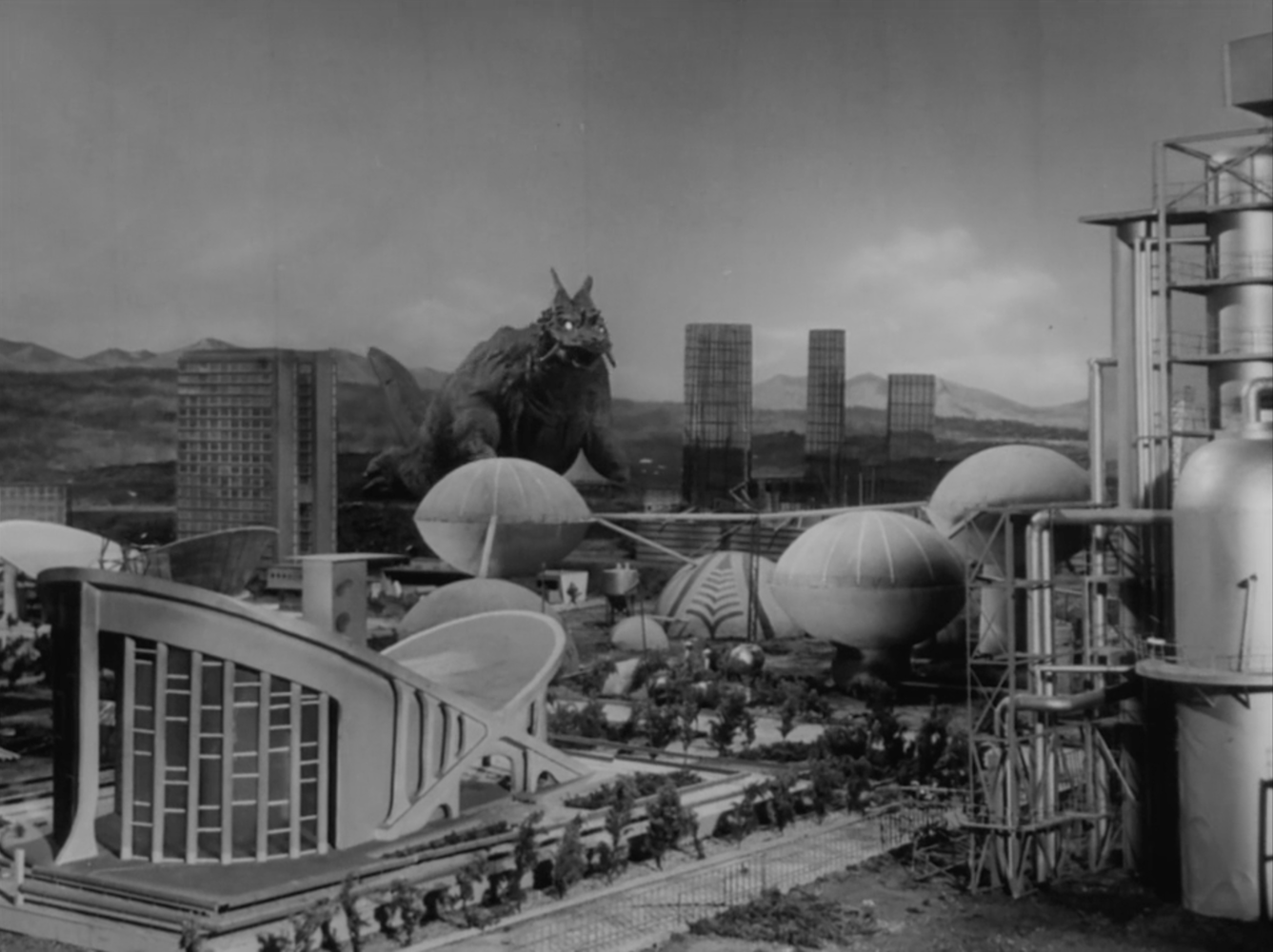
Once upon a time, there was a giant monster movie called Frankenstein vs. Baragon (first released in the US as Frankenstein Conquers the World). Eiji Tsuburaya designed the quadruped kaiju Baragon for the film. Baragon then had a brief but busy career playing other monsters in Tsuburarya’s TV shows. The costume underwent four different redesigns through 1965–66 to help save money on building monster suits. Baragon made its makeover debut in “The Rainbow’s Egg,” where it plays the kaiju Pagos.

Continue reading “Ultra Q Ep. 18: The Rainbow’s Egg”

Ultraman Ep. 16: Science Patrol Into Space

Directed by Toshihiro Iijima. Written by Kitao Senzoku. Airdate Oct. 30, 1966.

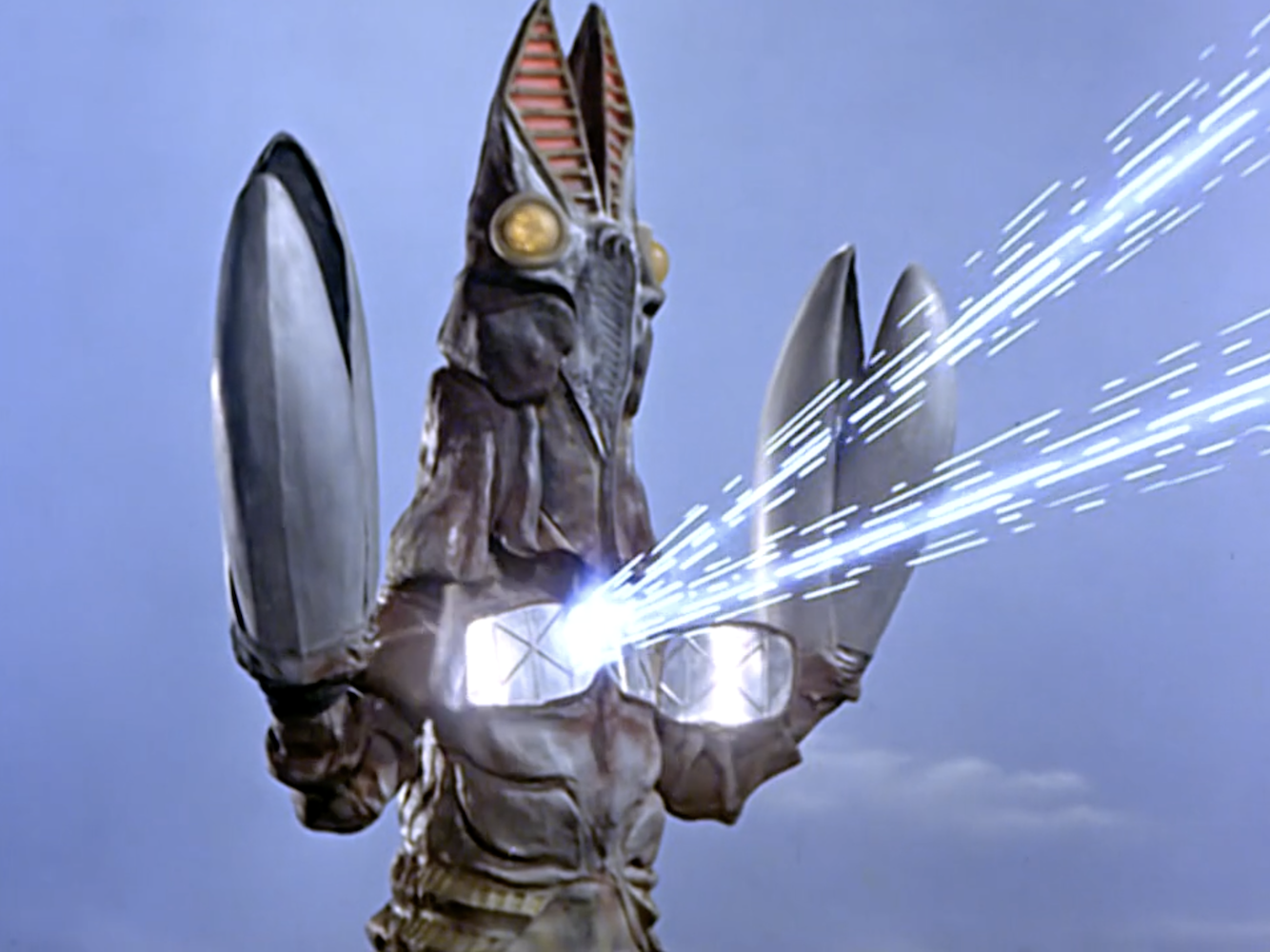
Alien Baltan is back after Ultraman attempted to genocide their entire race in “Shoot the Invader!” They want another crack at Planet Earth. Lucky for them, the Tsuburaya Pro team apparently wanted another crack at a big VFX finale with their signature alien villains. The special effects climax of “Shoot the Invader!” was its weakest part, likely a result of it being the first episode put into production. “Science Patrol Into Space” is a small upgrade over what was a pretty solid early episode: it loses some of the mystery and mood but goes full-force as a science-fiction actioner with ambitious special effects.

Continue reading “Ultraman Ep. 16: Science Patrol Into Space”

Ultraseven Ep. 12: From Another Planet With Love

Directed by Akio Jissoji. Written by Mamoru Sasaki. Airdate Dec. 17, 1967.

This is the famous withdrawn Ultraseven episode. You won’t find it on any of the video releases, nor will you see it on the airwaves. It’s sometimes called the “banned” or “censored” episode, but that implies an external agency has kept it from being seen. Tsuburaya Productions itself removed the episode from public availability in the 1970s, and it seems unlikely the situation will change in the near future.

Continue reading “Ultraseven Ep. 12: From Another Planet With Love”

Ultra Q Ep. 17: The ⅛ Project

Directed by Hajime Tsuburaya. Written by Tetsuo Kinjo. Airdate April 24, 1966.

I’m guilty of calling Ultra Q “the Japanese Twilight Zone” or “Twilight Zone with Godzilla monsters,” even though I know that’s a superficial description that doesn’t capture the different sensibilities of creators Rod Serling and Eiji Tsubaraya. But The Twilight Zone was an influence on Ultra Q, and head writer Tetsuo Kinjo had an affinity for many of Serling’s favorite themes: using science fiction for social commentary and telling stories seen through the eyes of outsiders who are out of step with reality. In both ways, Kinjo’s “The ⅛ Project” is the most Twilight Zone-like episode of Ultra Q — and it still finds a way to include the concept of giant monsters in clever meta-commentary.

Continue reading “Ultra Q Ep. 17: The ⅛ Project”