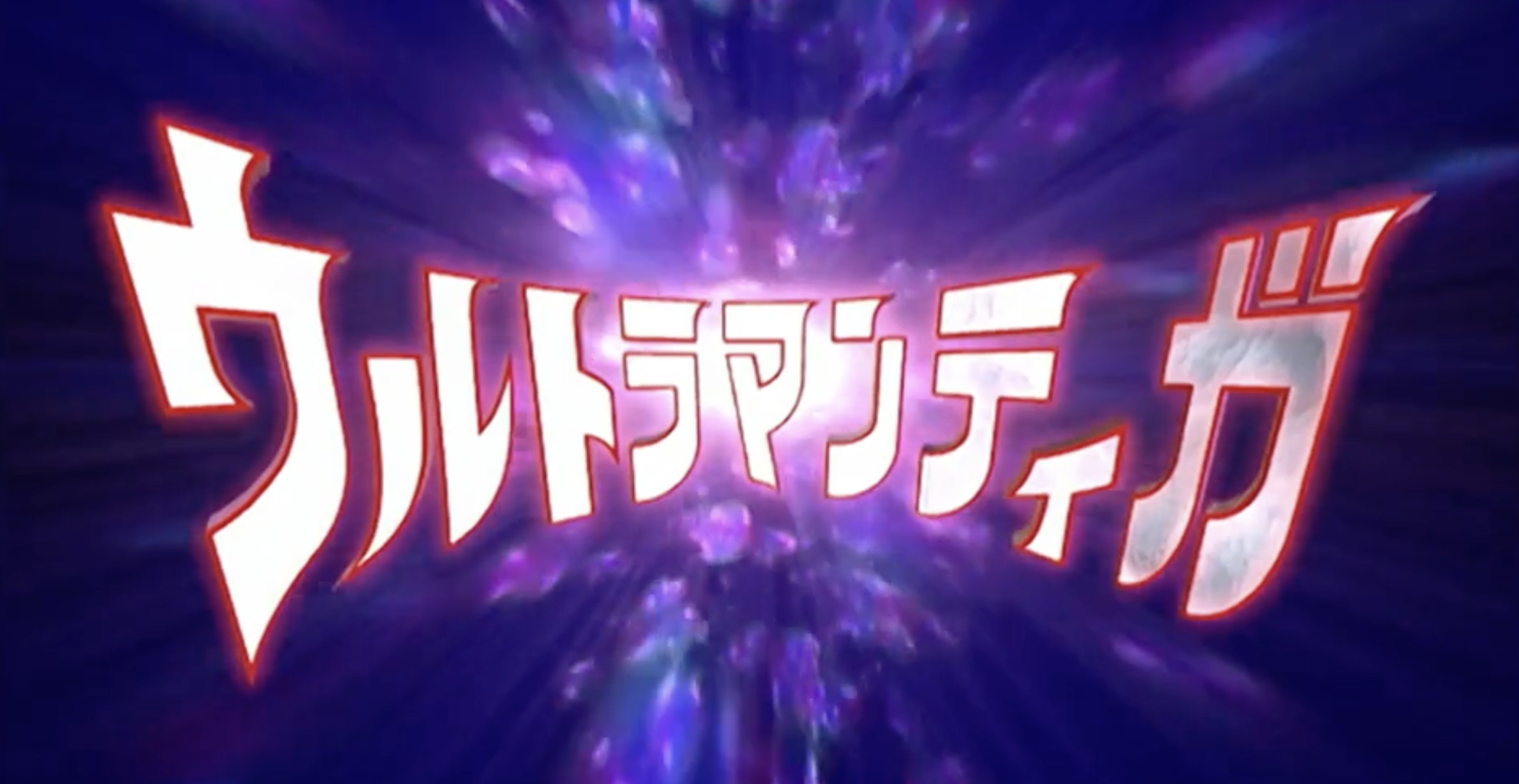
The Dark Age for Tsuburaya Productions finally ended in 1996. Fifteen years after the last episode of Ultraman 80 aired, Tsuburaya Pro returned to the airwaves with a domestically produced full Ultra program. Despite a rocky development period, Ultraman Tiga gave the series a rebirth for the Heisei era. It has remained one of the most popular Ultra shows and defined the franchise for a new generation. For many people my age and younger, Ultraman Tiga is likely the first Ultraman show they knew.
Although my heart is always with the Showa era and the first three shows supervised by Eiji Tsuburaya, I have to admit that Ultraman Tiga is top-shelf tokusatsu TV. It’s not outrageous to say that its impact on the franchise is close to that of the original trilogy of Ultra Q, Ultraman, and Ultraseven. The creative team took the lessons of what made Ultra great in the first place while developing their own contemporary style and stories. The fusion of old and new set the template for the shows that would quickly follow Tiga’s success.
Tiga History
The history behind Tiga is complicated because it arrived after years of minor projects and false starts as Tsuburaya Pro fought to get its signature series back onto the airwaves. If you want an extensive history of Tiga’s twisty path to television, read the Ultra Blog DX entry.
A quick summation: TsuPro had seen some minor success with their Ultra projects in the early 1990s. They did two international shows, Ultraman: Towards the Future in Australia and Ultraman: The Ultimate Hero in the US (it never aired stateside). Eager to get a new domestic show going for the franchise’s 30th anniversary in 1996, Tsuburaya Pro prepared a show called Ultraman Neos and shot a pilot. The pilot didn’t work; no network wanted it. The company had to go back to the drawing board, trying to recycle the extensive planning done for Neos into a new program in time for the 1996 anniversary. (This was also the time when TsuPro produced the fully unrelated — thankfully! — movie Ultraman Zearth.)
The show that would become Ultraman Tiga had to come together fast, and this accounts for several key choices during its development. The new show would have no connection to any earlier program so there’d be no worries about lore or continuity. For the fresh start, TsuPro hired Chiaki J. Konaka, a horror novelist, to create a framework that would get the series started but leave plenty of room to do, well, whatever the writers needed to do to get a show produced.
This freeform approach is something I appreciate most about Tiga. Without planning it, TsuPro created a show that honored the Ultra tradition of a variety of genres, with surprises coming in almost each episode. The creative team had the freedom to do what they wanted, and they went all out.
The main sponsor for Tiga was Bandai, a toy manufacturer that recognized a possible money train in hooking up to an established franchise. This started a long history of partnership with Bandai, eventually leading to the company purchasing half of Tsuburaya Productions. After Bandai got behind the new show with their money, the pieces started to fall into place and Ultraman Tiga moved toward production.
For the show’s lead, Tsuburaya cast a familiar face: pop singer Hiroshi Nagano. Nagano was a member of V6, an extremely popular boy band. V6 performed the show’s theme song, “Take Me Higher.” Because of the tight, tyrannical restrictions of the talent agency that controls V6, the song does not appear in media outside of Japan. It’s replaced by “Awaken, Ultraman Tiga” by the band Voyager.
Ultraman Tiga was a success on its first run, but not exactly the way Tusburaya had intended. It wasn’t a huge hit with kids, but rather with the young adult demographic that remembered watching the classic shows in reruns when they were younger. The ratings were never astonishing, but Tiga won multiple awards, critical praise, and more than satisfied Bandai with the sales of toys and merchandise. The Ultra franchise was back in business with room for growth with its new twenty-something viewers.
The Tiga-Verse & Tiga-Cast
Ultraman Tiga takes place in its own universe separate from the Showa Era programs, a smart choice that avoids weighing down the new show with a convoluted history. It feels the closest to the original Ultraman in this regard, since that show wasn’t originally created as a direct sequel to Ultra Q, only a spiritual successor. This universe is now referred to as the “World of Neo Frontier Space,” and includes Tiga’s sequel show, Ultraman Dyna.
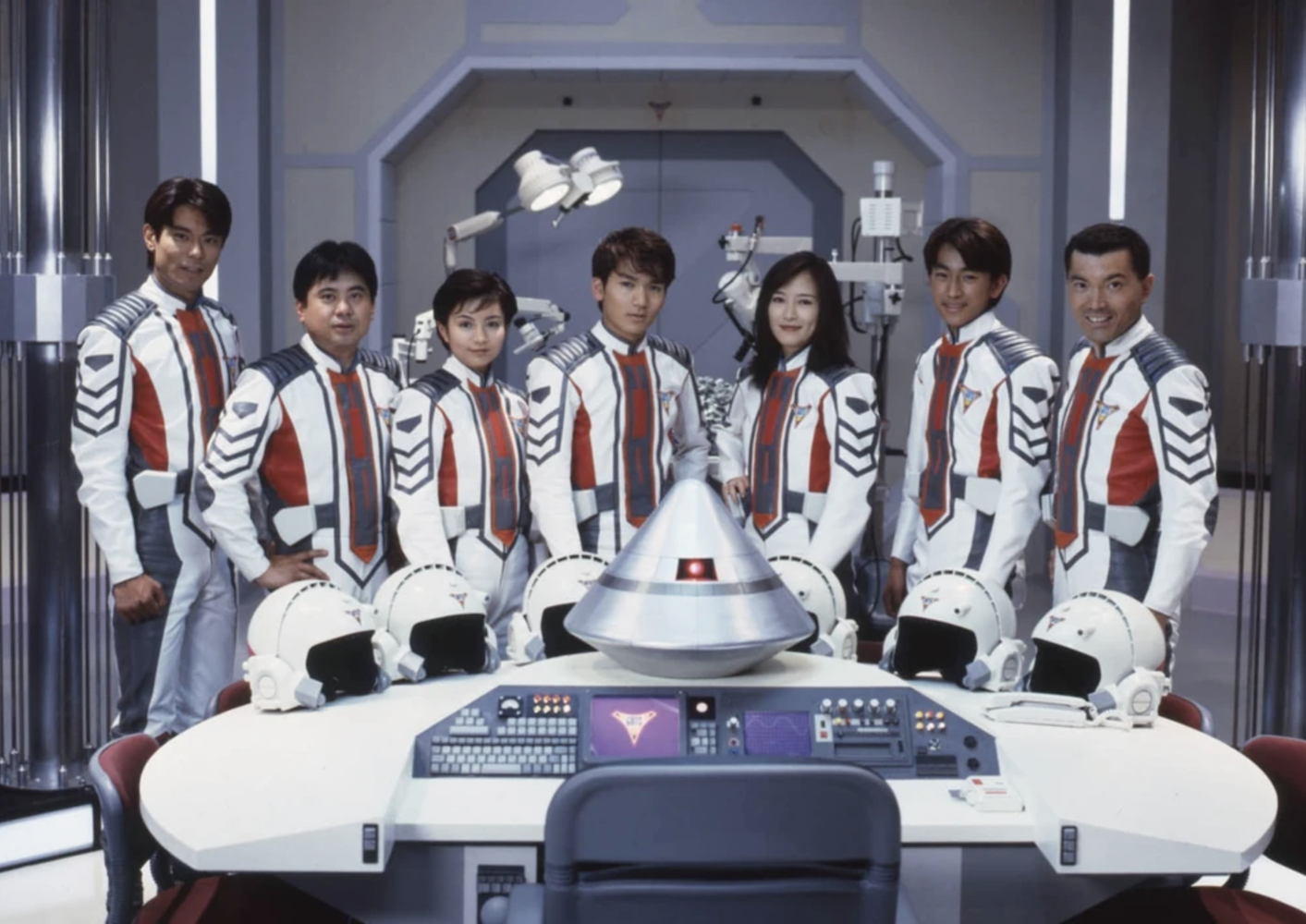
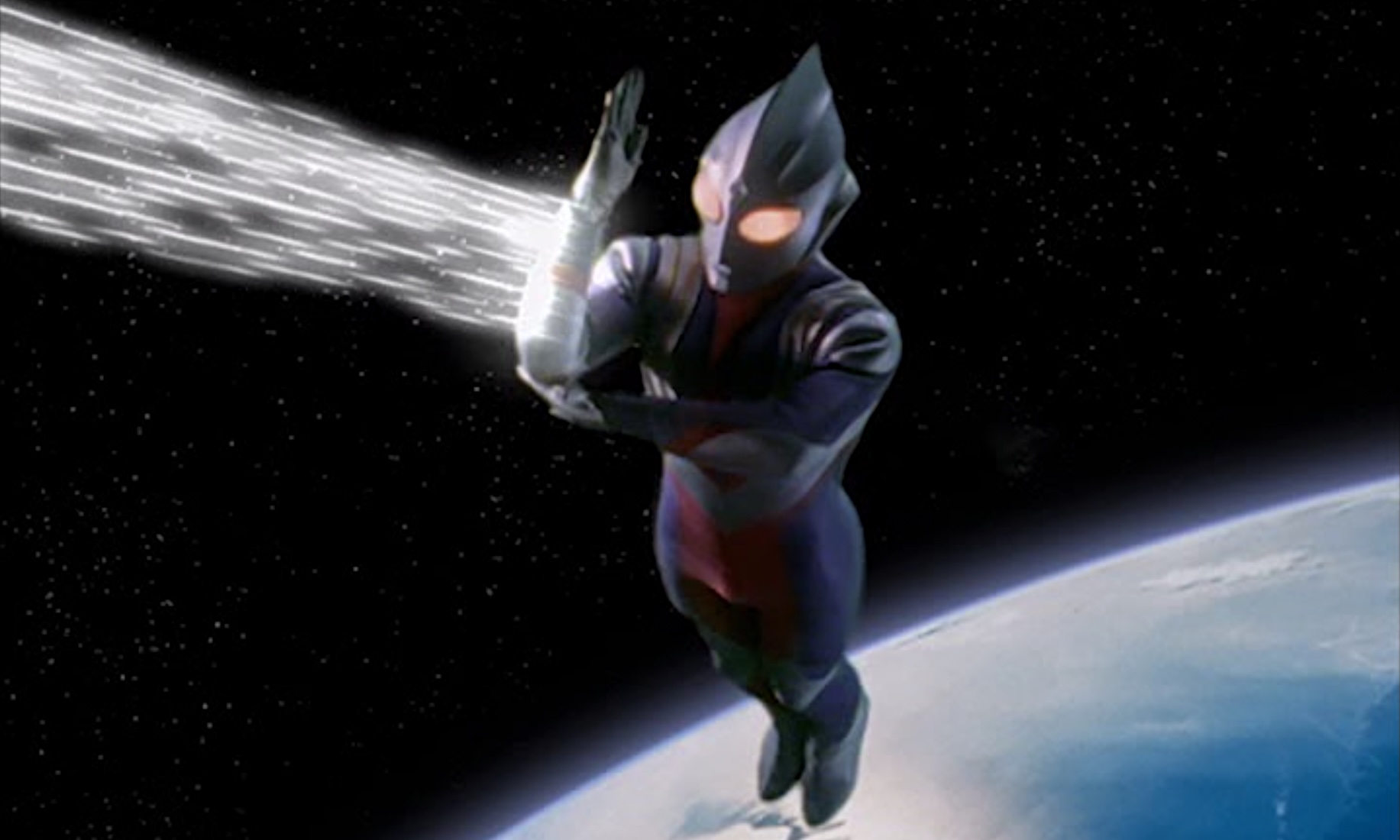
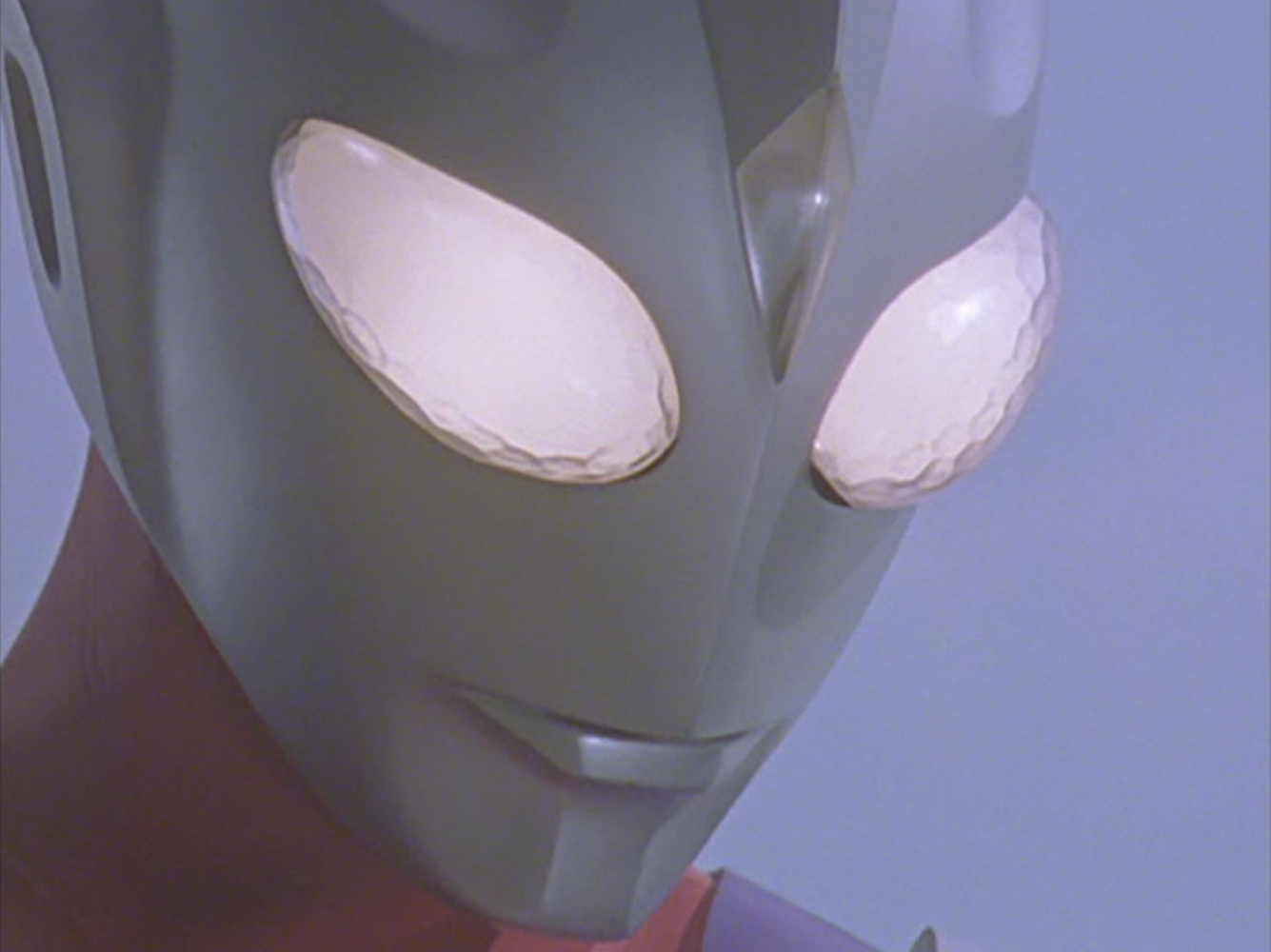
The premise of Tiga goes back to the basics of the original Ultraman: Earth has a defense force, GUTS (Global Unlimited Task Squad), a division of the larger TPC (Terran Peace Consortium or the Terrestrial Peaceable Consortium, depending on the translation), but they aren’t yet accustomed to dealing with giant monsters. When Earth enters a dangerous period of kaiju onslaughts, GUTS member Daigo Madoko (Hiroshi Nagano) gains the power of one of the Giants of Light who were the defenders of Earth in ancient times. Daigo can transform into Ultraman Tiga using a device called the Sparklence. While keeping his identity secret, Daigo fights alongside GUTS as both a member and as Tiga.
Tiga is the first Ultra Warrior to have alt modes, something that would become the default for future Ultras. Tiga can change from his normal form into a red strength mode and purple speed mode. This was partially because of a sponsorship deal with Bandai; but it works to make dynamic fight scenes with additional layers of strategy.
The show takes time to acclimatize Tiga into the story: GUTS doesn’t take the giant alien for granted after the first episode, choosing never to bother with further study or investigation. GUTS and the general public want to know what’s up with this silver giant. This is one of the best of the modern additions: letting GUTS and the world learn what Tiga is and how he operates. It isn’t full serialization — this is still an episodic show — but it creates connective drama that makes reaching the finale, which was planned early on, rewarding.
GUTS is the most interesting defense team since the SSSP of Ultraman. The characters receive more development, and each member has episodes where they get to take the spotlight. The standout is Captain Megumi Iruma (Mio Takaki), the first woman defense team commander, and possibly my favorite team commander of the franchise. Masami Horii (Yukio Masuda), the weapons inventor, is a close runner-up for top character. He takes on the comedy role but never turns into just “the funny guy,” or worse, “the annoying unfunny guy.” He isn’t as funny or charming as Ide, but he often comes close without being a mere clone.
GUTS’s other female member, Rena Yanase (Takami Yoshimoto, daughter of Susumu Kurobe from Ultraman), is a good character too; the developing relationship between her and Daigo feels like a natural development and not a romance by showrunner fiat. The other members — Deputy Captain Seiichi Munakata (Akitoshi Otaki), Tetsuo Shinjoh (Shigeki Kagemaru), and Jun Yazumi (Yoichi Furuya) — all receive spotlight episodes and noteworthy characterizations. Yazumi gets the least amount of central character time, but the episodes that put him at the forefront are among my favorites.
There’s an extensive number of recurring supporting characters because of the scope of TPC operations: TPC Founder Souichiro Sawai (Tamio Kawachi), TPC Chief of Staff Masayuki Nahara (Take Uketa), TPC Police Department Chief Tetsuji Yoshioka (Ken Okabe), TPC Life Science Research Center member Yuuji Tango (Yoichi Okamura), and Shinjoh’s sister Mayumi Shinjoh (Kei Ishibashi). These characters do more than fill out the background for exposition; some of them go through major story shifts and become protagonists in several episodes.
Tiga Today
Ultraman Tiga is still a big deal to many fans: it opened up the franchise after many years and excited people who may have known little about it. It’s one of the reasons the Ultra series has continued to thrive to the present day. I know some viewers just don’t want to see an “old” show like Ultraman, and although I disagree with them, Ultraman Tiga is the type of program that makes it easier for them to enter the Ultra world … and hopefully get around to the earlier shows.
When I first sat down to start watching Ultraman Tiga, I had reservations. It was the first time I’d ventured outside of the Showa Era, and it was soon after I completed watching Ultraseven, the high point of the franchise. But I rapidly got drawn in and had an immense amount of fun. It has the same sort of episodic thrills and straightforward monster enjoyment I got from Return of Ultraman. It’s definitely one of my favorites of the Heisei Era.
There are two areas where Ultraman Tiga lags behind the Showa era: the photography is much duller, and its digital effects have aged worse than anything from the classic shows. Tiga was shot on 16mm and then transferred to video, which gives it a flat television look without the cinematic appearance of the earlier shows. CGI technology was still in an iffy place in the mid-‘90s, and TsuPro didn’t have the budget to get VFX near the level of even lesser Hollywood movies. The digital effects manage their rudimentary job, but they lack the magic of the practical effects and have aged the worst of anything in Tiga. I promise not to harp on the digital effects too much, but when they stick out enough in an episode to become distracting, I’ll mention it.
Anyway, time to sally forth with GUTS…
Next: Inheritance of Light
 The Ultra Project