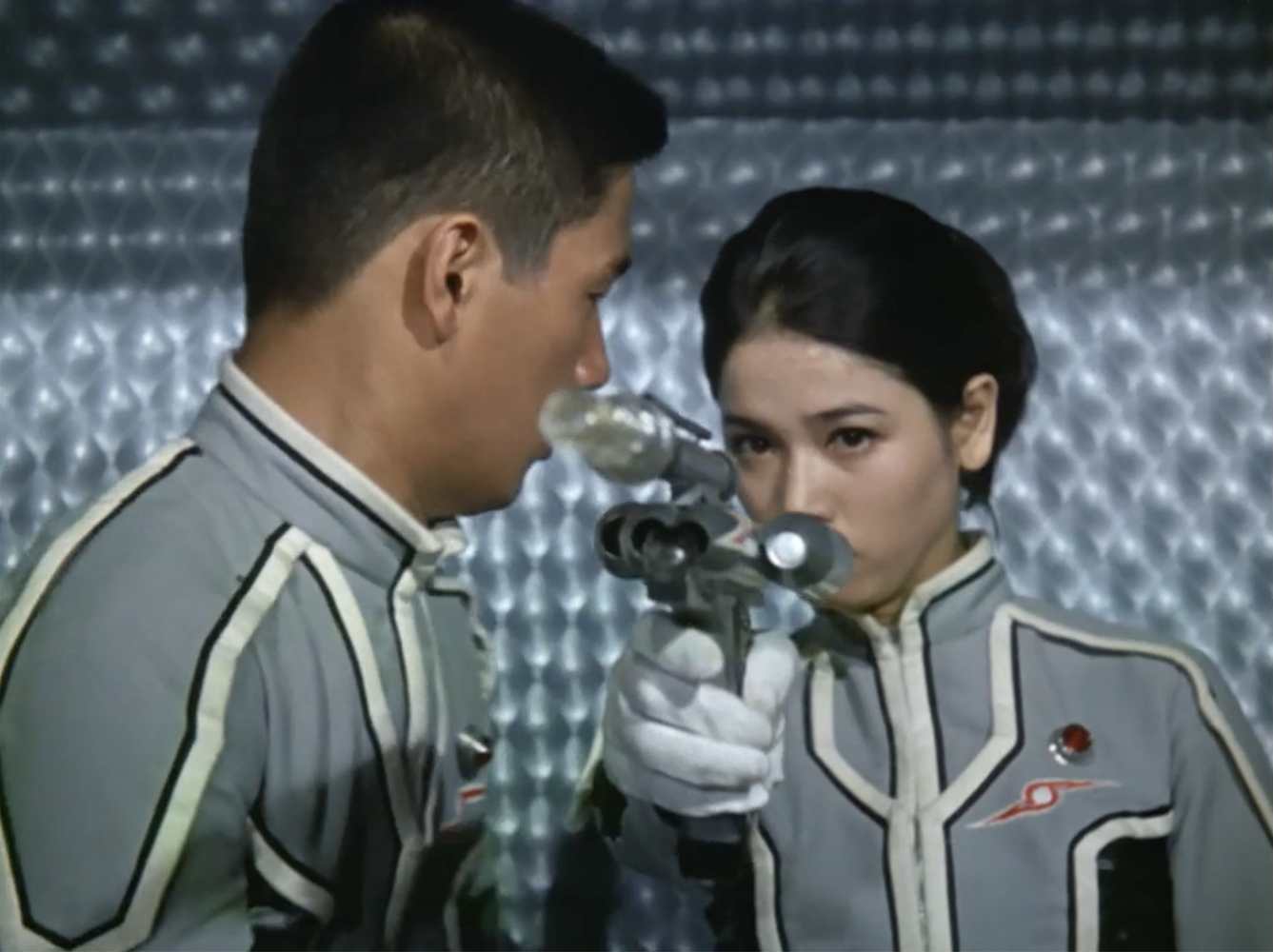
Ultraseven Ep. 2: The Green Terror

Anne Yuri in Ultraseven wields a laser gun.

Directed by Samaji Nonagase. Written by Tetsuo Kinjo. Airdate Oct. 8, 1967.

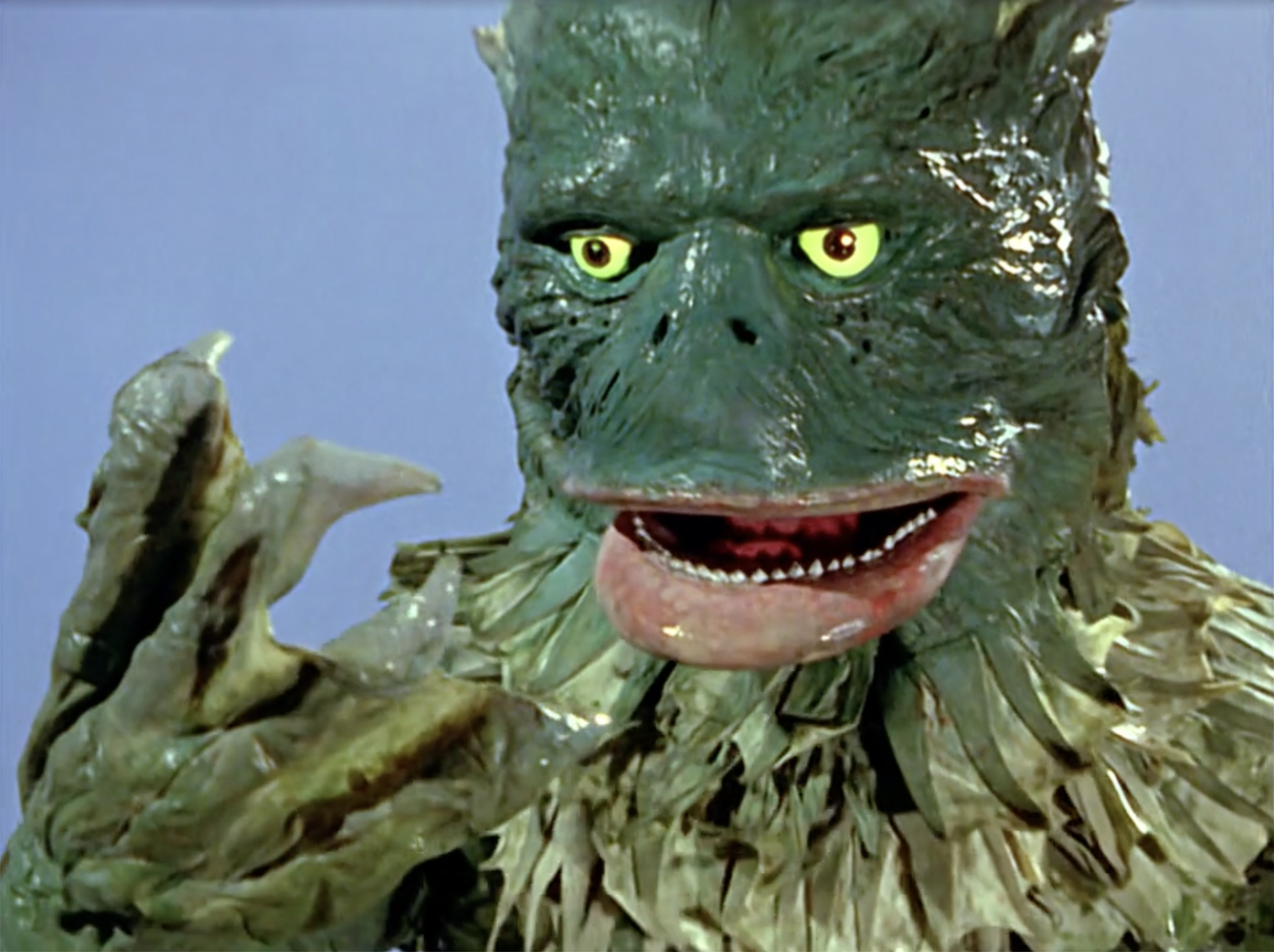
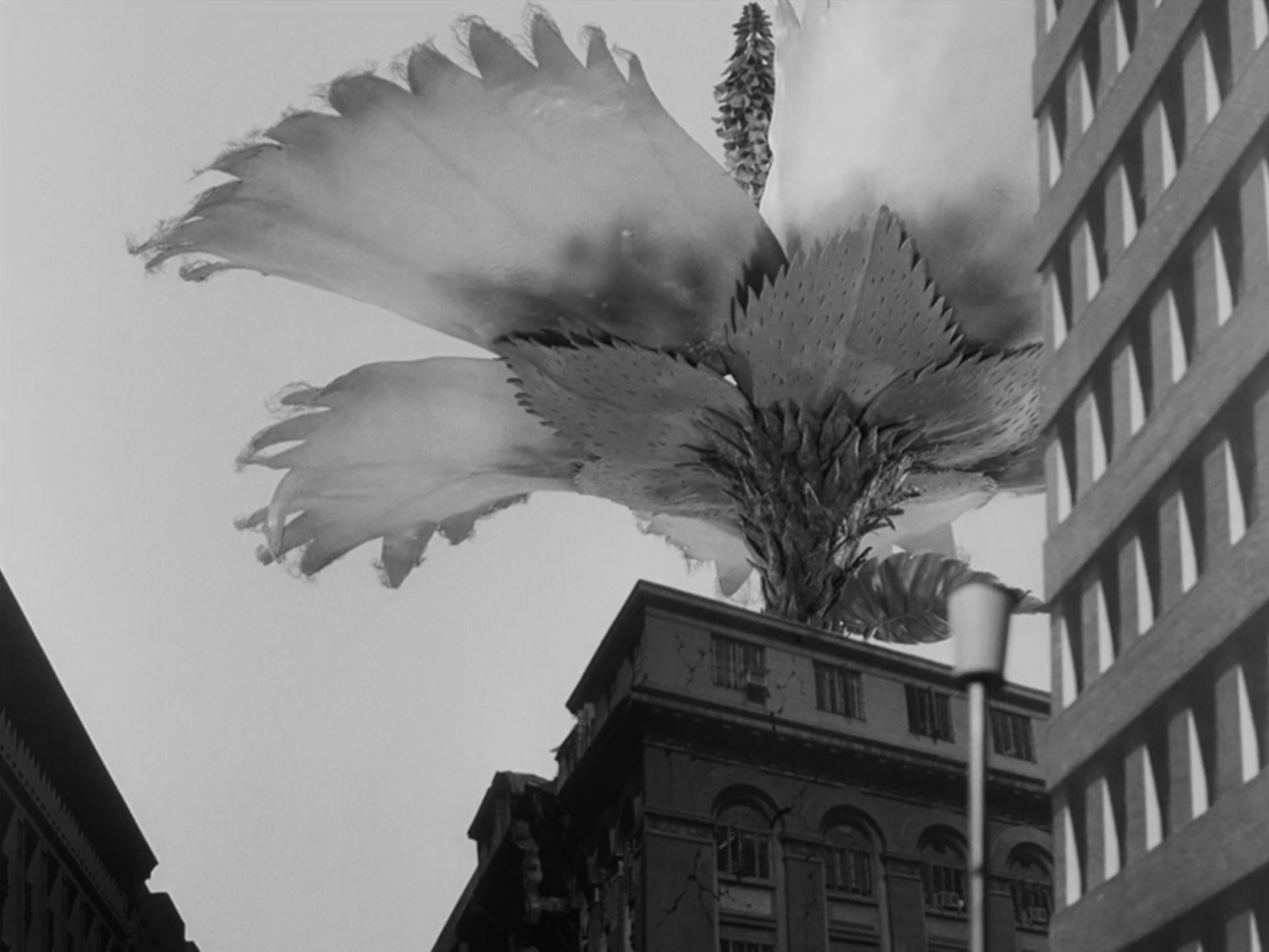
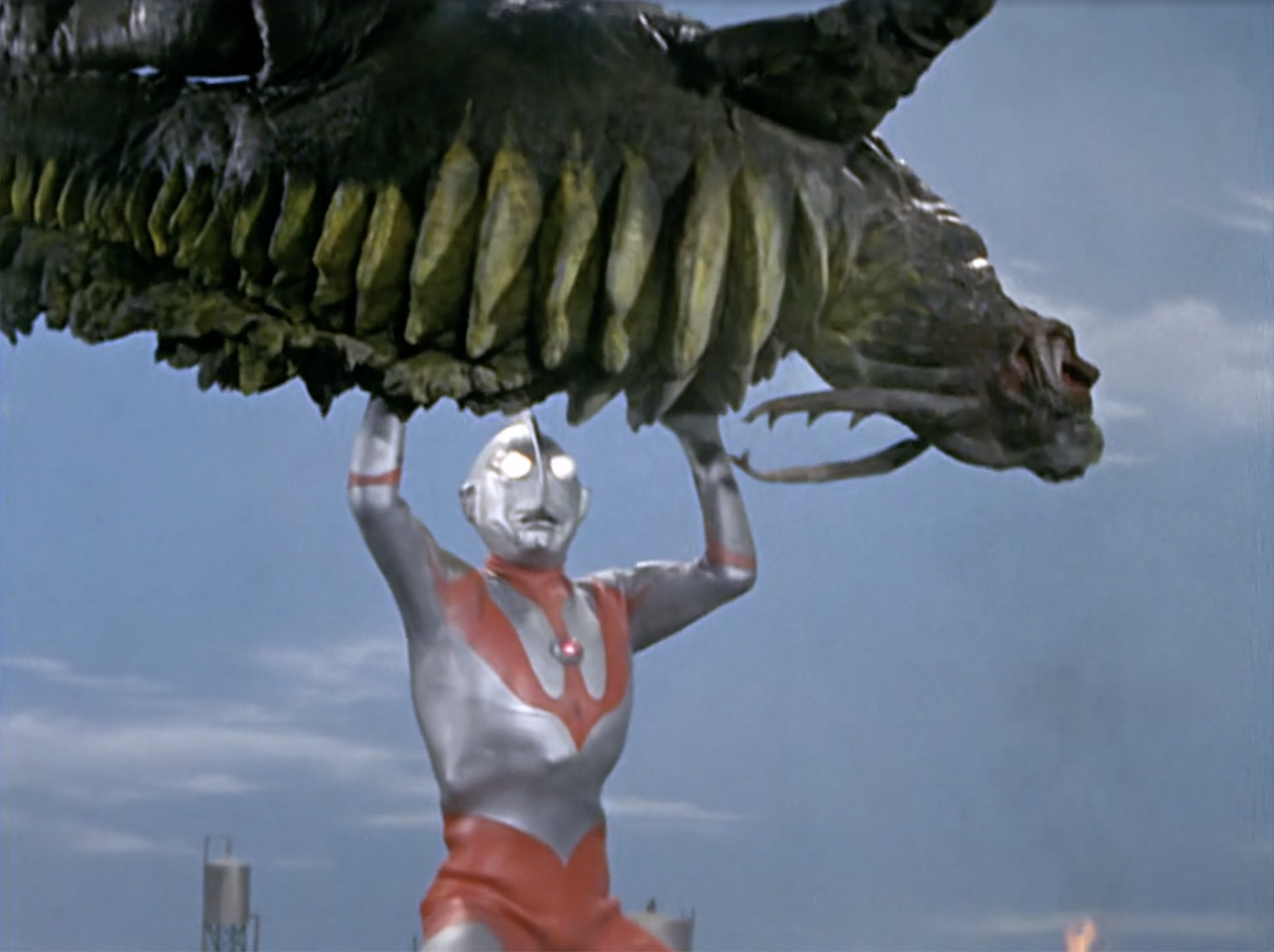
Eiji Tsuburaya must have had a dictum about his shows: within the first batch of episodes, there must be a plant monster. Ultra Q has the giant flower Juran, Ultraman has a green lettuce sack called Greenmons, and now Ultraseven’s second episode brings us Alien Waiell, a walking stack of spiky mixed greens. It doesn’t look great, but it’s better than Greenmons. I’ll say it again: I don’t have much interest in vegetation monsters. 

Continue reading “Ultraseven Ep. 2: The Green Terror”
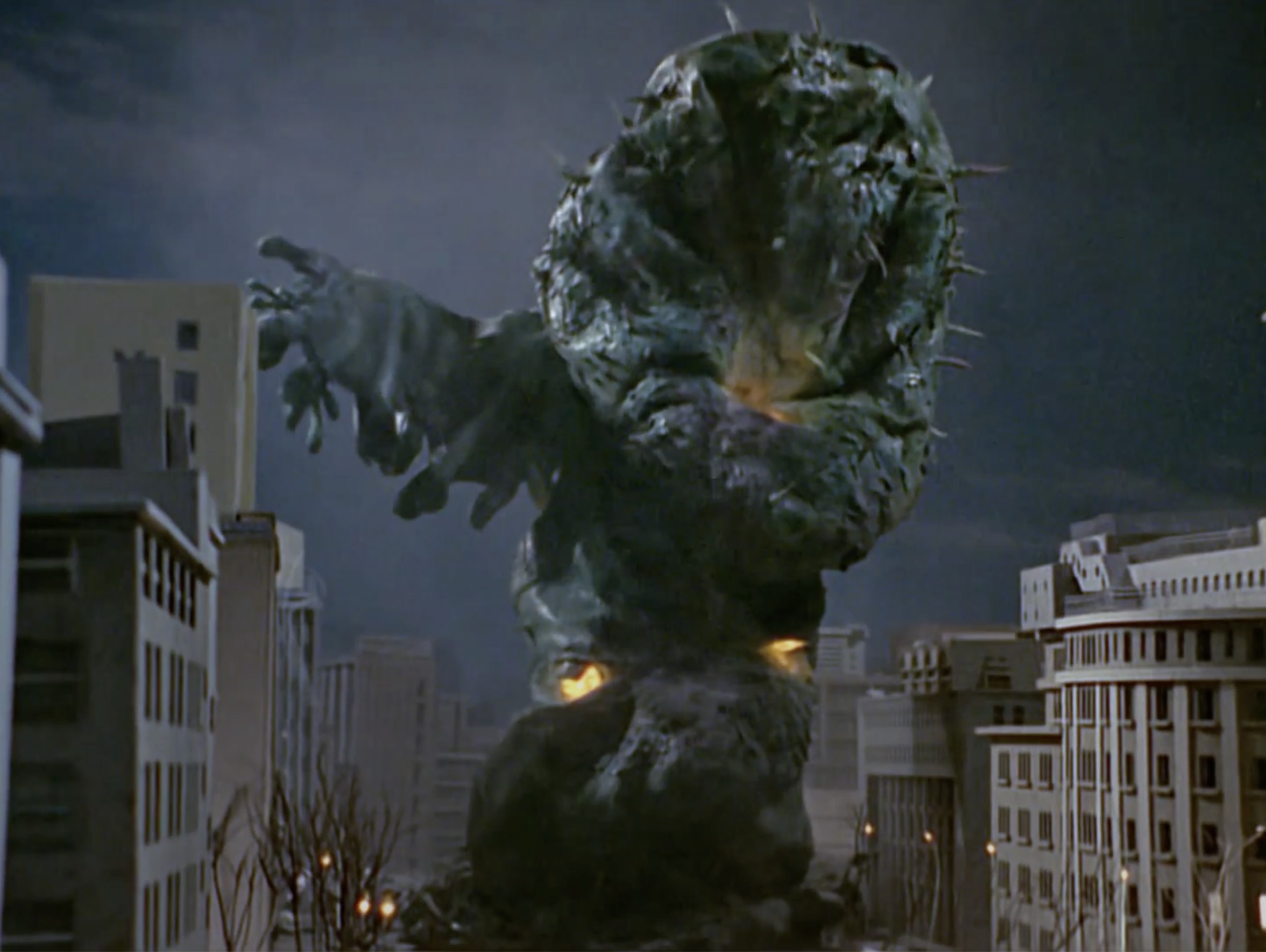
Ultraman Ep. 5: The Secret of the Miroganda

Directed by Toshihiro Iijima. Written by Keisuke Fujikawa. Airdate August 14, 1966.

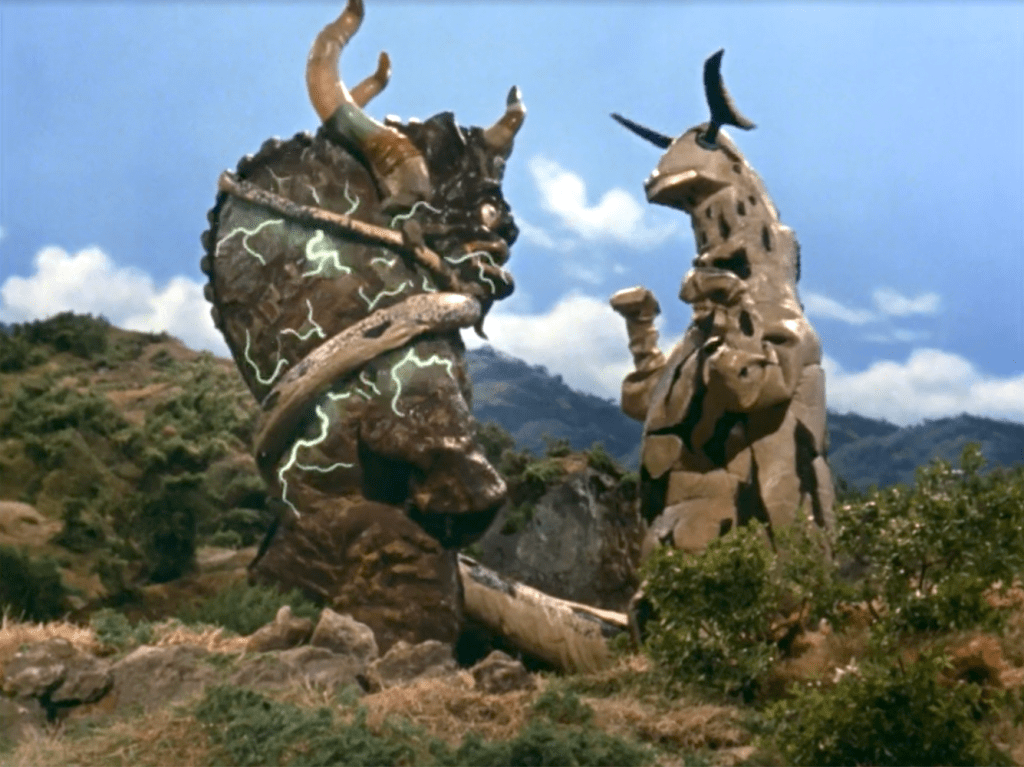
Rewatching “The Secret of the Miroganda” made me acutely aware of the budget fight Tsuburaya Productions was locked into during the early production of Ultraman. TBS may have given an enthusiastic greenlight to the show, but they were hesitant about the hefty price tag per episode, which was often more than double the cost of an episode of Ultra Q. The network forced the creative team at Tsuburaya Pro to cut costs at every opportunity. The situation improved once episodes started to air and the show became a popular sensation, but the early sacrifices the creative team had to make often poke through. “Miroganda,” only the second episode shot, has some of the most obvious. 

Continue reading “Ultraman Ep. 5: The Secret of the Miroganda”

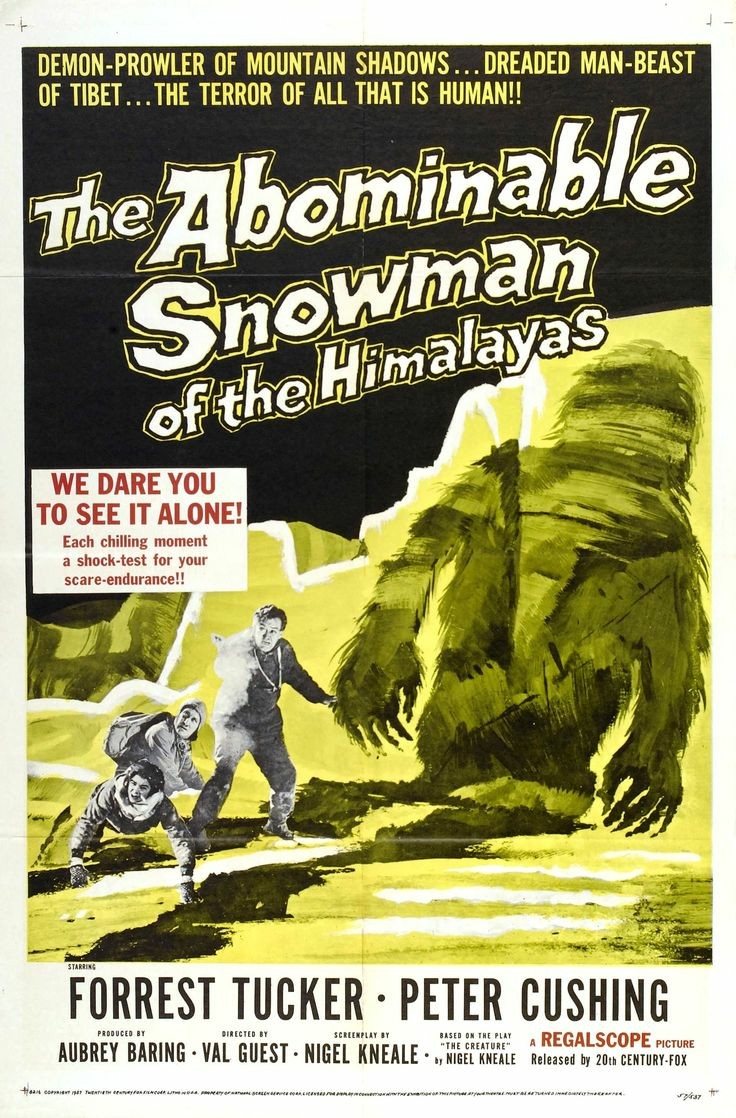
Monster Theater: The Abominable Snowman (1957)

Directed by Val Guest. Written by Nigel Neale. Starring Peter Cushing, Forrest Tucker.

I’m inaugurating an occasional feature of reviews of monster movies outside the world of Japanese tokusatsu. Monsters are glorious, they live in cinemas all over the world, and I’ll take any excuse to talk about them. And my love for Hammer Films is as strong as my love for tokusatsu. In a different mood, I might have created a whole blog just about Hammer movies.

Continue reading “Monster Theater: The Abominable Snowman (1957)”

Ultra Q Ep. 5: Peguila Is Here!

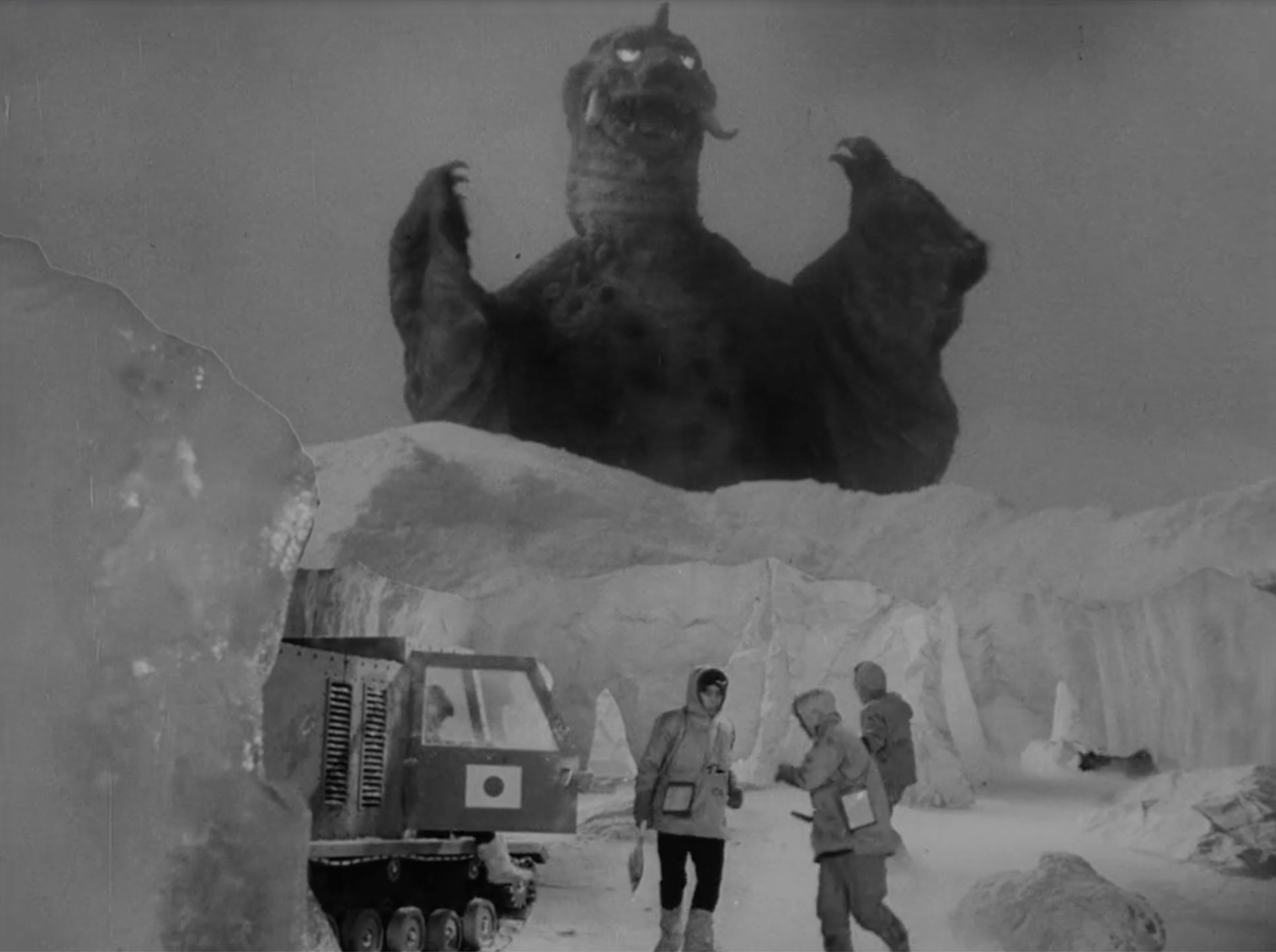
Peguila emerges over a ridge

Directed by Samaji Nonagase. Written by Masahiro Yamada. Airdate Jan. 30, 1966.

Here’s a change of scenery, shifting from urban Tokyo to the desolate wastes of Antarctica. There’s another change, which is that Jun is the only member of the regular or semi-regular cast to appear. Without Yuriko and Ippei around to lighten the mood, this is the first episode to completely bypass humor — appropriate for a bleak, tense story set in one of the most hostile environments on Earth.

Continue reading “Ultra Q Ep. 5: Peguila Is Here!”

We Are Live! Livewired Like Eleking!

The Ultra Project is now live and out to the public!

I’ve worked on this site for about two months after several years of pondering it. I gave the site a beta-launch two weeks ago when I made the posts public, but I made no official announcement about it to anyone except for a friend who could provide feedback. But as of this morning, I’ve sent out the blast to social media — “Hey, look at this!”

Continue reading “We Are Live! Livewired Like Eleking!”

Ultraseven Ep. 1: The Invisible Challenger

Directed by Hajime Tsuburaya. Written by Tetsuo Kinjo. Airdate Oct. 1, 1967.

Earth is being targeted. Beings from countless stars floating in space have begun a terrible invasion.

These words from narrator Hikaru Urano, spoken over a night scene of a swarm of car headlights on a freeway, set the tone for Ultraseven. Darker than Ultraman, more epic than Ultra Q.

Continue reading “Ultraseven Ep. 1: The Invisible Challenger”

Ultraseven: An Introduction

Ultraseven is the last of the “original” Ultra trilogy, following Ultra Q and Ultraman. They were not intended to take place in the same universe, and Eiji Tsuburaya planned for Ultraseven to be the end of this unofficial “Ultra” series so his company could move on to different special effects programs. The trio only became part of the same continuity after Return of Ultraman debuted in 1971.

Continue reading “Ultraseven: An Introduction”

Ultra Q Ep. 4: Mammoth Flower

Directed by Koji Kajita. Written by Tetsuo Kinjo. Airdate Jan. 23, 1966.

“Mammoth Flower” was the first episode of Ultra Q to go before cameras. Although it wasn’t designed specifically as an introductory episode, it makes an extra effort at world-building. Koji Ishizaka’s narration sounds like the original pitch for the show when it was still known as Unbalance: “Currently, a part of Mother Nature that surrounds us is starting to make a strange move. That’s right, this is a terrifying world where everything is unbalanced.” The exit narration mentions “the Unbalance Zone” with an invitation to viewers to tune in next week.

Continue reading “Ultra Q Ep. 4: Mammoth Flower”

Ultraman Ep. 3: Science Patrol, Move Out

Directed by Toshihiro Iijima. Written by Masahiro Yamada. Airdate July 31, 1966.

We now enter one of the less interesting stretches of Ultraman, an early slowdown that’s likely due to the rush to finish episodes and the stinginess of TBS and their sponsor partner when it came to budgets. I didn’t notice this quality lapse when I first watched the series; I was having too much fun with the basic monster formula. It wasn’t until the show started to really blast off that I looked back and thought, “Yeah, they had a bumpy patch after takeoff.” 

Continue reading “Ultraman Ep. 3: Science Patrol, Move Out”