Greetings, residents of Earth! My name is Ryan, and if you want to know more about me and my writing, please visit my other site and maybe buy my book while you’re there. If you’re on this site, you’ve found the space where I take a journey through the long-running Ultra Series (a.k.a. the Ultraman series), a Japanese science-fiction and fantasy franchise that started in 1966 and is still zooming along today.
I’ve wanted to tackle a project like this for several years, starting from when I got seriously into watching the Ultra shows during the pandemic (a time when all of us developed new hobbies). I’ve been a hardcore fan of Godzilla and other Japanese giant monster films since I was a child, but until the limbo of the pandemic I had only limited exposure to the television side of Japanese live-action special effects media (tokusatsu). As I watched the Ultra shows roughly in order, I found myself entranced and soon converted into a rabid fan. At this point I’ve seen more than half of the shows — and that still leaves so much to go. This is an enormous franchise with more episodes than all the Star Trek shows combined.
I’m going to tackle the different shows in a round-robin, hopping from show to show but going chronologically by original airdate within each individual show. All the episodes I’ll write about are from series I’ve already watched all the way through at least once. Along with the television shows, I’ll also examine several of the Ultra feature films as well as take the occasional detour into related books, comics, and some other tokusatsu and kaiju topics outside of the Ultra world.
What Is the Ultra Series?
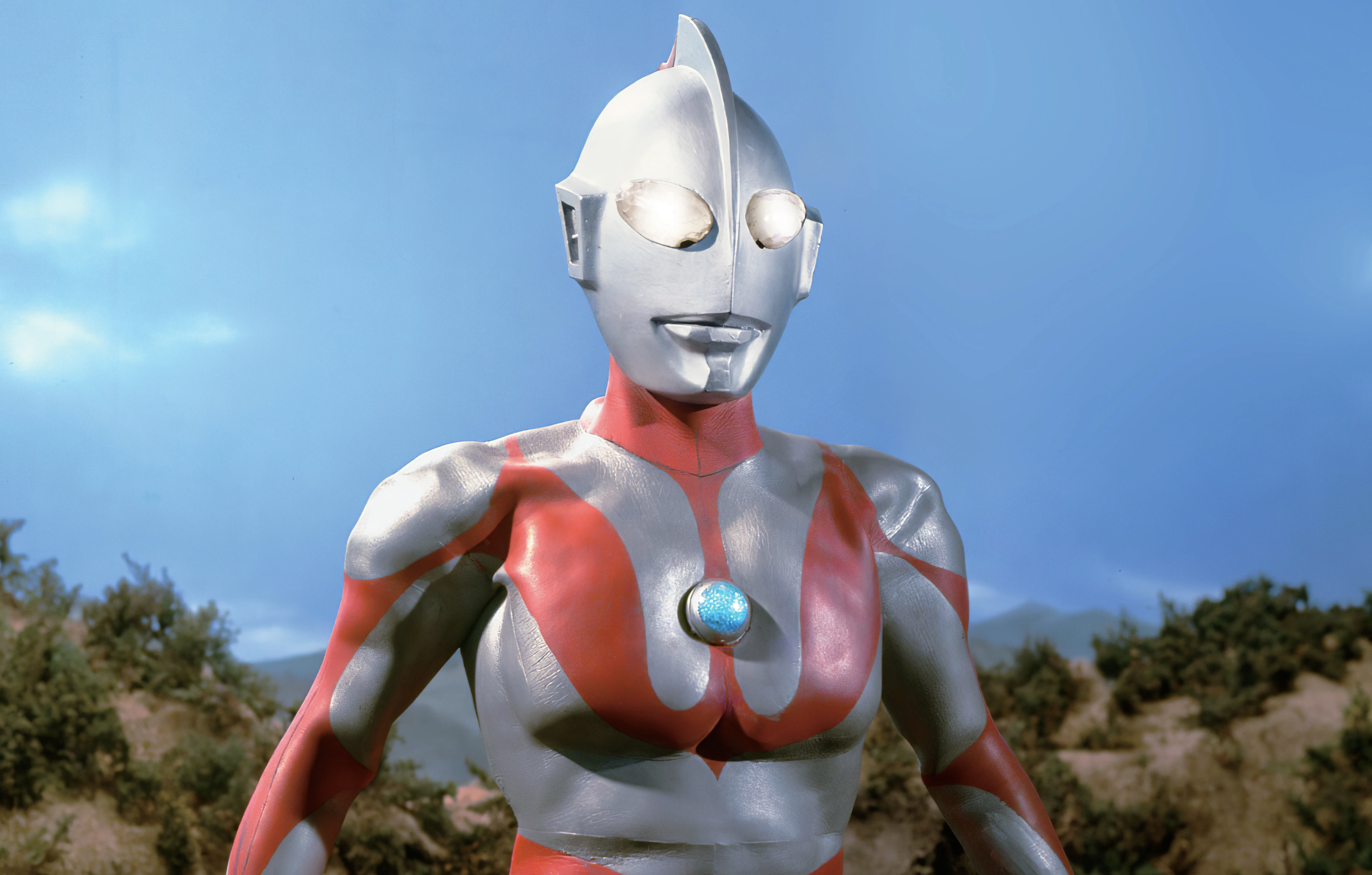
Also called the Ultraman series after its most famous icon, the Ultra series is the brainchild of Eiji Tsuburaya, the wizard of Japanese special effects and one of the co-creators of Godzilla. Tsuburaya’s own company, Tsuburaya Productions, launched the Ultra series in 1966 with the show Ultra Q, which offered TV audiences half-hour giant monster movies similar to the ones that were enormously popular in theaters at the time.
The success of Ultra Q led directly into an even more successful show starting the same year, Ultraman. Ultraman established the formula that most Ultra shows have followed: a heroic alien, known as an Ultra, comes to Earth and either fuses with a human host or takes human form, then battles beside Earth’s human defenders against an onslaught of giant monsters, super-robots, and invading aliens. Episodes often conclude with the hero taking on the giant form of the Ultra and facing off with the monster of the week. In the more than thirty television shows that have followed Ultra Q and Ultraman, the franchise has developed a rich mythology as well as complicated timelines. However, most Ultra shows can be enjoyed entirely on their own without too much knowledge of series history. You can hop into the franchise in many different places and have a fantastic time.
The massive popularity of Ultraman ignited a wave of other special effects (tokusatsu) shows on Japanese television, including Kamen Rider and Super Sentai (the source of Power Rangers). Eiji Tsuburaya died after the third Ultra show, Ultraseven, but Tsuburaya Productions continued to produce more programs after his death. The series fell out of popularity in the mid-1970s, along with many other tokusatsu shows, and an attempted revival in 1980 with Ultraman 80 failed, causing the franchise to go on hiatus for 15 years. In 1996, Ultraman Tiga kicked off a new popularity for the series.
Along with the 34 main series television shows (as of this writing, at least), the Ultra franchise also includes movies, manga, anime, US comic books, video games, books, live stage shows, and mountains of toys.
I’m not a full-fledged expert on the Ultra Series, nor can I read or speak Japanese, so please bear with me as I tangle with learning new information myself as I go back through each Ultra show. I’m indebted to several English-language sources with more extensive knowledge of the franchise than me, particularly Beta Capsule Reviews, a deep repository of short reviews for the Ultra shows and other tokusatsu programs; and Ultra Blog DX, which contains extensive details on the behind-the-scenes history of several of the shows. The Ultraman Wiki is also an excellent resource for episode credits and lists of appearances of the various Ultras, monsters, and aliens.
The Appeal of Ultra
Why do I love these shows enough that I’m dedicating all this time to recording my thoughts on them and putting them out to the public?
First, I enjoy writing about them. I’ve written articles on science fiction and fantasy movies and literature for over 25 years, and after a break, I’m eager to get back to it. The Ultra shows offer a well of fun material that won’t run out, and it’s a great excuse to rewatch the episodes.
Second, I’ve always loved giant monster media of any variety. Ray Harryhausen’s films were an early passion of mine, and I fell in love with Godzilla when I was five years old. I especially love the old-school handmade special effects of the classic monster movies. It doesn’t matter to me that special effects look realistic — I just want them to look good, which isn’t necessarily connected to realism. The style of monsters and effects that Eiji Tsuburaya created and his successors have continued are works of art that I find beautiful. Do I occasionally chuckle at them? Sure. But they always retain charm and wonder. There’s plenty of great CGI effects work done today, but just because the electric guitar was invented doesn’t mean you can’t appreciate the acoustic guitar. When the Ultra shows find their groove, they can jam.
Third, the Ultra franchise has immense, often crazy variety. The first time I watched the original Ultraman all the way through, I expected its formula would soon tire me out, even as a fan of watching giant monsters go smash-bash-crash-roar. Instead, I was surprised at the many types of stories the creative team was able to explore within the superhero vs. giant monster format. That a single series can contain episodes as different as “My Home Is Earth,” “The Rascal From Outer Space,” and “The Monster Anarchy Zone” is remarkable for any television program.
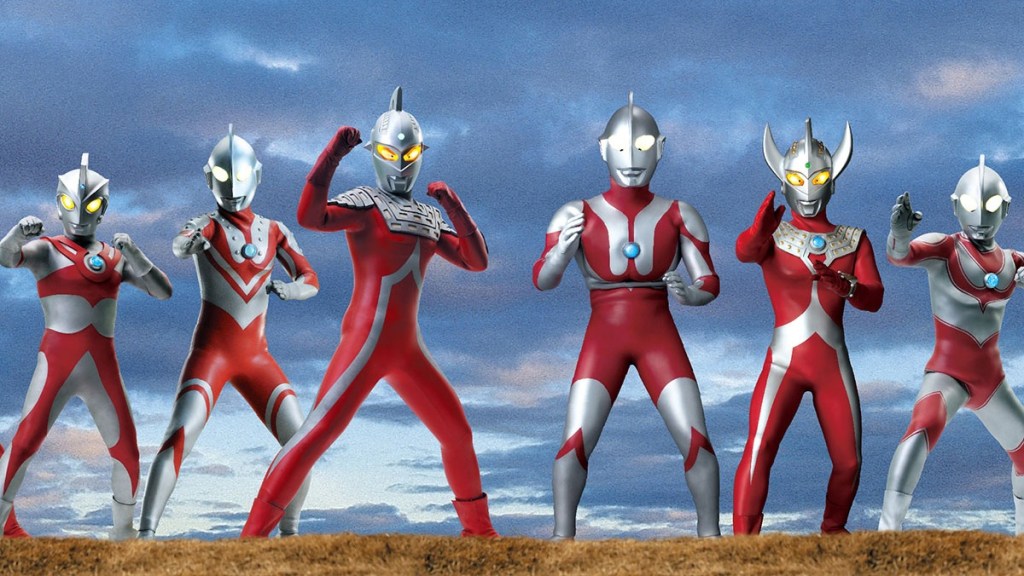
When I moved to the other shows after completing Ultraman, I discovered that this collage of different genres — fantasy, espionage, horror, comedy, space opera, children’s adventures, fairy tales, social commentary — is baked into the franchise. The original trilogy of shows Tsuburaya worked on before his death, Ultra Q, Ultraman, and Ultraseven, established a tradition of wild creativity that later shows have tried to honor (to varying degrees of success, but the attempt is always there). This goes back to my joy in writing about these shows: there’s always something different to write about.
Are There Spoilers?
Yes, there will be some, although I won’t go out of my way to discuss episode conclusions. However, the way I want to write about these shows means I’ll discuss specific details some readers may consider “spoilery.” Several episodes will require getting into the endings if I want to address them in a way that interests me, and I’ll put alerts on those ones. However, consider this a general warning if you’re worried about any type of spoilers.
Episode Rating System
To provide an easy-to-understand rating system, I’m using a ladder of six adjectives:
- Poor
- Mediocre
- Average
- Good
- Great
- Classic
Why is “Average” not in the dead center? Because I’m grading on a curve. There are not many truly bad Ultra episodes, at least for me. I usually find something to enjoy, so I don’t expect to hand out many ratings of “Poor.”
Terminology
If you only casually know about Japanese live-action science-fiction and fantasy, there are a few basic terms I’ll use often that you’ll find helpful to know:
- Tokusatsu: General term for live-action special effects movies and television shows. Often shortened to toku.
- Ultras: Aside from being the general name of the franchise, Ultra in-universe refers to the giant alien superheroes who are the focus of most shows. Sometimes called Ultra Warriors or Ultramen.
- Kaiju: Literally “strange beast.” The monsters of tokusatsu, usually non-intelligent and organic. Sometimes called daikaiju, which adds “giant” onto the name. Not all kaiju are giant, however.
- Defense Team: A science/military organization dedicated to opposing monsters or studying them. Most Ultra shows have a defense team of some type. Also called an Attack Team.
- Seijin: Sentient alien races. May often come in giant form. The different races have “Alien” in front of their names, such as “Alien Baltan.”
- Mecha: General term for robotic or mechanical entities.
- Choju: Literally “super beast” or “great beast.” A different variety of kaiju that appears in several Ultra shows, notably Ultraman Ace. Sometimes translated as “terrible-monster.”
- Tsuburaya Productions: The production company founded by special effects wizard Eiji Tsuburaya responsible for the Ultra franchise. Often shortened to Tsuburaya Pro or TsuPro.
- TBS: Tokyo Broadcasting System, the network that has aired many Ultra shows.
- Showa Era: The first generation of Ultra shows, lasting from 1966 (Ultra Q) to 1981 (Ultraman 80). Named after the reign of Emperor Hirohito (1926–1989). Tsuburaya officially calls this the Classical era, but most fans stick with Showa — as do I.
- Heisei Era: The second generation of Ultra shows, starting in 1996 (Ultraman Tiga) and lasting until early 2013 (Neo Ultra Q). Named after the reign of Emperor Akihito (1989–2019). The historical Heisei era continued until 2019, but for the purposes of the Ultra Series, the switch to next era occurred in 2013. Tsuburaya officially calls this era Revival, but I’ll stick with Heisei.
- New Generation Heroes Era: The third and current generation of Ultra shows, starting in 2013 with Ultraman Ginga. It straddles the Japanese historical eras of Heisei and Reiwa (which started in 2019).
 The Ultra Project